

A Practical Guide to Discovering and Using Christian ebooks
Ever opened a new e‑book and felt that rush of excitement, like you’ve just found a hidden door to a quieter part of your soul?
If you’re someone who’s been hunting for Christian ebooks that actually speak to the heart, you’re not alone.
In our experience, the most transformative reads don’t just toss theology at you; they blend scripture with everyday struggles, so you can see God’s hand in a morning coffee, a tough conversation, or even that stubborn habit you’ve been wrestling with.
That’s why we’ve gathered a little library of titles that feel less like academic textbooks and more like a trusted friend whispering encouragement right when you need it most.
Take, for example, ‘Divine Direction’ – a guide that walks you through recognizing God’s subtle nudges during a hectic workday, and then shows you simple steps to pause, pray, and realign.
Or consider ‘Why God Disciplines Us,’ which flips the script on punishment and helps you see correction as a loving, growth‑focused push rather than a cold rebuke.
These books aren’t just theory; they come with practical worksheets, reflection prompts, and even short meditations you can slip into a lunch break.
So, what’s the real benefit of diving into Christian ebooks right now?
You get a portable source of hope that fits in your pocket, a steady reminder that spiritual growth isn’t a distant summit but a series of small, intentional steps you can take today.
Ready to explore? Let’s start by looking at how to pick the right ebook for your current season, and then we’ll walk through a quick, three‑minute download routine that gets you reading in no time.
Imagine finishing a chapter right before bedtime, feeling the peace of a verse settle over you, and then waking up with a fresh perspective on the day’s challenges – that’s the gentle power of a well‑chosen Christian ebook.
TL;DR
Christian ebooks give you pocket‑sized spiritual guidance you can read anytime—whether you’re on a coffee break, commuting, or winding down before sleep, anywhere.
In just minutes a day you’ll feel steadier, gain fresh biblical insight, and start applying God’s truth to everyday challenges, deepening your walk with joy daily truly.
Why Christian ebooks Matter Today
Ever notice how a single paragraph can feel like a quiet hug on a chaotic day? That’s the power of a well‑chosen Christian ebook – it slips into your pocket, your coffee break, your bedtime routine, and suddenly God’s truth is right there, waiting.
We live in a world that moves faster than a scroll feed. Notifications ping, meetings pile up, and the noise can drown out the still, small voice we’re meant to hear. Christian ebooks give us a pause button that fits on a phone or tablet, so we can step back without missing a beat.
In our experience, the most lasting change happens when spiritual insight meets real‑life context. A title like Divine Direction doesn’t just quote verses; it offers a quick worksheet you can fill out during a lunch break, helping you map God’s nudges to your next project.
But why does that matter right now? Think about the overwhelm of information overload. A printed sermon might sit on a shelf, gathering dust, while an ebook is searchable, highlightable, and instantly shareable with a friend who’s struggling.
And here’s a concrete example: imagine you’re juggling a new job and a strained marriage. You open a short chapter on forgiveness, jot down a single sentence in the margins, and later that evening you remember the phrase while talking to your spouse. The ebook becomes a bridge between theory and practice.
Another benefit is community. When you download a Christian ebook from a trusted source, you often join a small group of readers who discuss reflections in a private forum or a live chat. Those connections turn solitary reading into a shared journey.
So, does a digital format diminish reverence? Not at all. The tactile feel of a printed page is beautiful, but the flexibility of an ebook lets you carry dozens of books without a backpack. It’s like having a personal library that fits in your pocket, ready for that 3‑minute meditation before a meeting.
Here’s a quick tip: set a daily reminder on your phone for a “spiritual snack” – a 5‑minute read of a chapter or a single devotional. When the alarm goes off, you’re already in the right mindset to engage, and the habit builds without feeling like a chore.
And if you’re wondering how to make the most of the technology, try using the built‑in highlight feature to mark verses that speak to your current struggle. Later, export those highlights to a notes app and review them during a quiet moment. It’s a simple loop that reinforces learning.
Below is a short video that walks through setting up a quick download routine on most e‑readers. It shows how to organize folders, sync across devices, and even add a personal prayer note to the file’s metadata.
After you watch the video, picture this: you’re on a weekend hike, the sun is soft, and you pull out your phone to read a chapter on “God’s promises in the storm.” The words settle over you like a gentle breeze, and the trail feels less lonely.
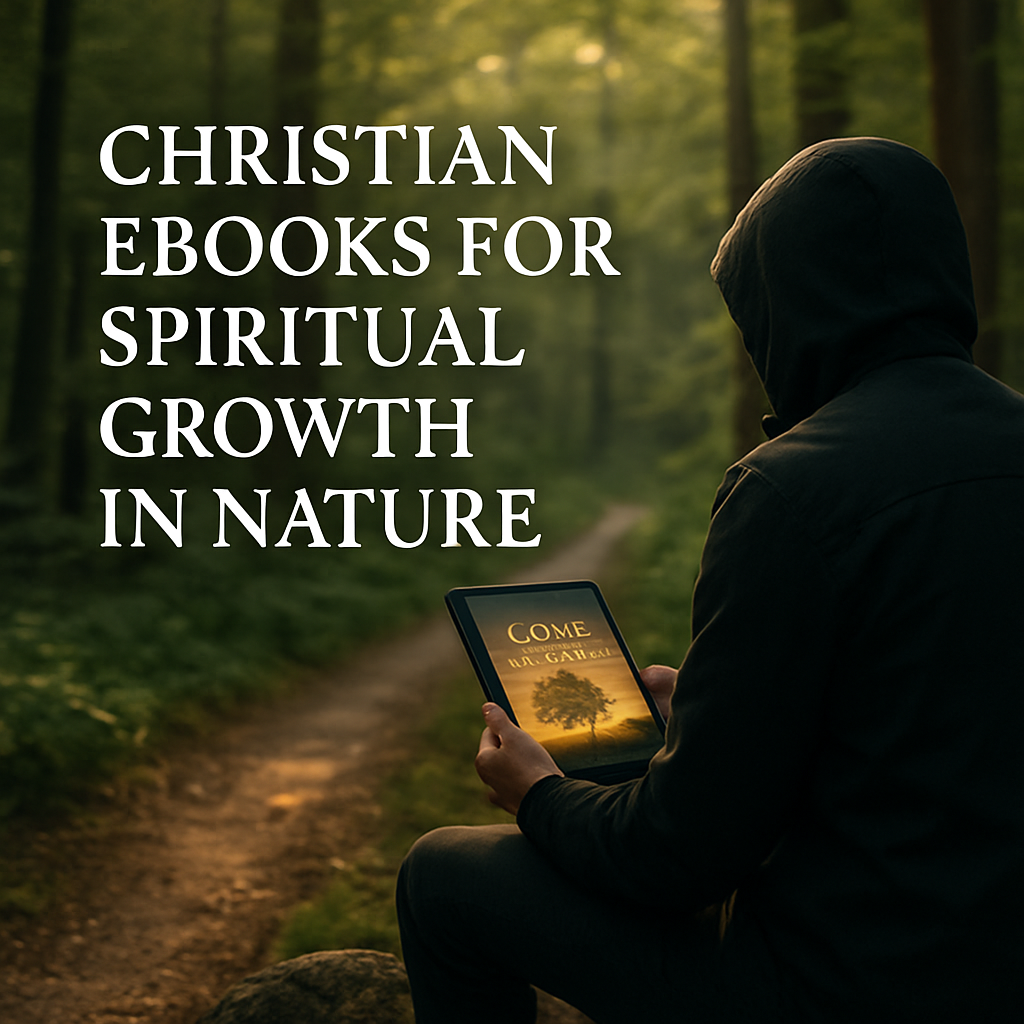
Bottom line? Christian ebooks matter today because they meet us where we are – busy, distracted, craving authentic connection. They turn idle moments into intentional encounters with God’s word, and they do it in a format that matches our digital lives.
Top Genres of Christian ebooks and What to Look For
When you open a new Christian ebook, the first thing you notice is the vibe it gives off—whether it feels like a quiet prayer journal or a fast‑paced thriller that still points you back to God. That vibe usually comes from the genre, and each genre serves a different hunger.
1. Daily Devotionals & Inspirational Guides
These are the bite‑size, morning‑coffee companions that drop a verse, a short reflection, and a practical prompt. Think of titles like “Divine Direction” or “Why God Disciplines Us.” They’re perfect for busy believers who want a quick spiritual boost.
What to look for: a clear structure (verse → reflection → action), daily or weekly layout, and printable worksheets you can actually fill out on a phone or laptop.
2. Christian Self‑Help & Wellness
This genre blends psychology‑style advice with biblical truth. Books such as “Benefits of Doing God’s Will” or “Forgiveness—How We Should Utilize It” help you tackle anxiety, relationships, or habit‑breaking from a faith‑centered perspective.
What to look for: evidence‑based practices, real‑life stories, and a “next step” section that tells you exactly what to try after each chapter.
3. Biblical Study & Apologetics
If you love digging into Scripture, you’ll gravitate toward study guides, commentaries, or deep‑dive e‑books like “God’s Original Plan” or “Heavenly Treasures.” They often include charts, timelines, and discussion questions.
What to look for: scholarly citations, cross‑references to other biblical passages, and supplemental resources like audio meditations or downloadable PDFs.
4. Faith‑Based Fiction & Narrative
Stories that embed truth in plot—whether it’s a historical saga about fallen angels or a contemporary romance that wrestles with doubt—can be surprisingly transformative. “Fallen Angels Judgment” is a good example of narrative that teaches theology without feeling like a lecture.
What to look for: strong character development, a clear redemptive arc, and a balance between entertainment and doctrinal accuracy.
5. Kids, Teens & Family Devotionals
These books turn biblical concepts into games, colorful illustrations, and interactive challenges. They’re great for bedtime reading or family group study.
What to look for: age‑appropriate language, activity pages, and parental guidance notes.
So, how do you decide which genre fits your season? Here’s a quick three‑step checklist you can run on your phone right now:
- Ask yourself what “spiritual gap” you’re feeling—are you craving daily encouragement, deeper study, or a story that speaks to your heart?
- Match that gap to one of the five genres above.
- Scan the ebook’s table of contents (most instant‑download titles let you preview it) for the markers we listed—structure, worksheets, scholarly notes, or activity pages.
If you’re still unsure, think about the music you’re listening right now. A recent look at the top Christian songs chart shows that worship‑focused tracks dominate the list, suggesting many believers are currently seeking uplifting, repeat‑able encouragement—exactly what daily devotionals deliver.
Below is a handy comparison table to help you line up your priorities with the right genre.
| Genre | Typical Length / Format | Key Things to Look For |
|---|---|---|
| Daily Devotionals | 10‑15 min reads; daily or weekly | Verse‑reflection‑action flow, printable prompts |
| Self‑Help & Wellness | 30‑60 min chapters; worksheets | Evidence‑based tips, real stories, next‑step tasks |
| Biblical Study | Longer (45‑90 min); charts & footnotes | Cross‑references, scholarly citations, supplemental audio |
| Faith‑Based Fiction | Novel‑length (200‑400 pages); narrative | Strong characters, redemptive arc, doctrinal balance |
| Kids & Family | Short (5‑10 min); illustrations | Age‑appropriate language, activity pages, parent notes |
Take a minute now: pick one genre that feels most “right” for where you are, then search our collection for a title that matches those checklist items. You’ll be surprised how quickly that choice turns into a daily habit that steadies your heart.
How to Choose High-Quality Christian ebooks
Ever opened a new ebook and felt like you were about to waste time on something that looks pretty but says little? Yeah, we’ve all been there. The good news is you don’t have to guess.
Here’s a simple, no‑fluff roadmap to spot the Christian ebooks that actually move you forward.
1. Check the author’s credibility
First, glance at the author’s background. Do they have a ministry history, theological training, or a track record of published work? In our experience, writers who combine personal testimony with solid study—think Charlene Murray’s “Divine Direction” or “Benefits of Doing God’s Will”—tend to deliver both heart and head.
If the bio is just a vague “Christian writer,” pause. Look for concrete details: church affiliation, degrees, or a clear mission statement.
2. Look for a clear structure
High‑quality Christian ebooks aren’t a random mash‑up of verses and anecdotes. They follow a repeatable pattern: Scripture → Reflection → Practical step. This “verse‑reflection‑action” flow lets you finish a chapter with a tangible takeaway.
Flip to the table of contents (most instant‑download titles let you preview it). If you see sections labeled “Key Verse,” “Personal Reflection,” and “Next Move,” you’re probably in good hands.
3. Verify the depth of biblical support
Look for cross‑references, footnotes, or a bibliography. A solid ebook will cite the original passage, maybe even link to a commentary or a reputable study guide. That shows the author isn’t just sprinkling verses for decoration.
When you see “see Romans 12:2” or a short note that explains the historical context, you know the author respects the text.
4. Evaluate the added resources
Do they include worksheets, printable prompts, or audio meditations? Those extras turn reading into practice. For example, “Why God Disciplines Us” comes with a short journal page after each chapter—perfect for a quick 5‑minute debrief.
If the ebook is just plain text, ask yourself if you’ll stay engaged. Bonus points for downloadable PDFs you can print or fill out on a tablet.
5. Read reviews or testimonials
Real feedback from other readers is gold. Scan the product page for comments about how the ebook helped someone apply a principle in daily life. If people mention “I actually used the prayer prompts” or “the worksheets made a difference,” that’s a strong signal.
Don’t just trust a five‑star rating—look for specifics.
6. Test the preview
Most platforms let you read the first chapter or a sample page. Use that moment to feel the author’s voice. Does it sound like a friend sharing a coffee conversation, or like a lecture?
If the language feels stiff or full of buzzwords, you’ll probably lose interest fast.
7. Match the ebook to your current season
Ask yourself: What gap am I feeling right now? Need daily encouragement? Try a devotional. Want to work through anxiety? Look for a self‑help guide with evidence‑based tips. Craving deeper study? Pick a biblical study with charts and footnotes.
When the ebook’s focus aligns with your need, you’ll be more likely to finish it and apply it.
8. Confirm the format fits your device
Make sure the file type (ePub, PDF, Kindle) works on your tablet, phone, or e‑reader. A glitchy format can kill momentum before you even start.
And finally, trust your gut. If a title feels right after a quick skim, go for it—most platforms offer instant download, so there’s little risk.
So, what should you do next? Grab a notebook, write down these eight checkpoints, and when you browse the next Christian ebook, tick them off one by by. Within minutes you’ll separate the truly transformative titles from the filler, turning your reading time into a meaningful step forward in your spiritual journey.
Where to Find Free and Affordable Christian ebooks
Okay, you’ve already got a feel for the kind of titles that lift you up. The next puzzle piece is: where do you actually get them without breaking the bank? Spoiler alert – there are more doors than you think, and most of them are just a click away.
1. Public‑domain libraries that give away the good stuff
Sites like the Online Christian Library host a growing collection of classic Christian works that are completely free. Think of it as the digital version of a church basement bookshelf – you can pull down a 19th‑century devotional or a historic commentary at any time.
Here’s a quick way to make it work for you:
- Visit the site and use the search bar with keywords like “grace,” “prayer,” or “discipline.”
- Filter by format – most titles are available as PDF or ePub, which play nicely on Kindle, iPad, or Android tablets.
- Download a sample chapter, skim for the verse‑reflection‑action pattern we talked about earlier, and decide if the tone feels like a friend over coffee.
Because the library is constantly adding new public‑domain titles, you’ll never run out of fresh material to explore.
2. Author‑direct platforms for affordable new releases
When you’re ready to move beyond the classics, look for platforms that let authors sell directly at low prices. Charlene Murray’s own shop is a perfect example – the ebooks are priced to reflect the value of fresh, ministry‑focused content without the markup you see on big‑box retailers.
What makes a direct‑to‑consumer model work?
- Bundled bonuses: many of Charlene’s titles include printable worksheets or audio meditations that would cost extra elsewhere.
- Seasonal discounts: keep an eye on quarterly sales; a $9.99 ebook can drop to $4.99 during a “Spring Growth” promotion.
- Instant download: no waiting for shipping, so you can start reading during your lunch break.
Even if you’re not buying today, you can sign up for the newsletter and get a free sample chapter straight to your inbox – a low‑effort way to test the waters.
3. Library apps that bridge the gap
Public libraries have quietly stepped into the digital arena. If you have a library card, apps like Libby or OverDrive let you borrow Christian ebooks for free, just like you would a physical book.
Try this:
- Open the app and link your card.
- Search “Christian devotional” or the exact title you’ve heard about.
- Borrow, download, and enjoy a 2‑week loan period – no cost, no commitment.
Because the selection mirrors each library’s physical collection, you’ll often find newer titles that aren’t yet in the public‑domain pool.
4. Discount bundles on specialty ebook sites
Some niche ebook marketplaces curate bundles of Christian self‑help and study guides at a flat price. The math is simple: five $7 titles for $20 is a win, especially when each includes actionable worksheets.
When evaluating a bundle, ask yourself:
- Do the titles cover different genres I’m interested in (devotional, study, fiction)?
- Are the authors reputable – do they have ministry experience or theological training?
- Is there a clear “next step” section in each ebook? That’s the sign of quality we highlighted earlier.
If the answers are yes, you’ve just stretched your spiritual budget a few extra miles.
5. Free trials and promotional giveaways
Occasionally, Christian publishers run free‑trial weeks on their own platforms. During a trial, you can download a handful of titles, read them, and decide if the style matches your taste. Keep an eye on social media posts from Charlene Murray – she often announces a “30‑day free ebook sprint” that lines up perfectly with a new month’s devotional habit.
Pro tip: set a calendar reminder the day the giveaway ends. That way you won’t miss the download window, and you’ll have a fresh ebook ready for your next coffee break.
6. How to create your own affordable “ebook library”
Now that you know where to hunt, let’s turn the process into a habit:
- Pick a day each week (Sunday night works well) to browse one of the sources above.
- Save any titles that pass the verse‑reflection‑action test in a dedicated folder on your device.
- Assign a reading slot – 10 minutes during your commute, 15 minutes before bed, or a quick 5‑minute pause at work.
- After each read, jot down one action point in a notebook. Over a month, you’ll have a personalized “growth cheat sheet.”
By treating the search as a regular ritual, you’ll never feel stuck staring at a blank ebook shelf again.
So, what’s the next move? Grab your phone, head to the Online Christian Library, and download a free classic you’ve never read. Then, swing back to Charlene Murray’s shop for a fresh, affordable title that speaks directly to your current season. In just a couple of minutes you’ll have two new resources ready to fuel your spiritual walk.
Integrating Christian ebooks into Personal Study and Group Discussion
Ever felt that a single ebook could spark a whole conversation at your small group?
We’ve seen that happen more often than you might think. When a passage lands right in the middle of a coffee‑break chat, it turns a routine meet‑up into a moment of genuine discovery.
Start with a personal “pause”
Pick one ebook that matches the season you’re in – maybe “Divine Direction” for that career crossroads, or “Why God Disciplines Us” when you’re wrestling with a setback. Open it on your tablet, read the first chapter, then hit the pause button.
Instead of racing to the next verse, jot down the one line that sticks. It could be a question like, “What does ‘rest in Him’ look like in my daily schedule?” Write that on a sticky note or in your phone notes.
Turn the note into a study prompt
Now share that note with your group before the next meeting. A quick message in your group chat saying, “Hey, I’m stuck on this sentence – can we unpack it together?” does two things: it invites others into your thinking, and it gives the group a clear focus.
When you gather, start with the sticky note rather than the whole ebook. Let someone read the sentence aloud, then invite anyone to share a personal story that echoes the theme. You’ll notice how the same text can surface very different life applications.
Use the ebook’s built‑in worksheets
Many of our titles include printable worksheets – a space for “Reflection,” “Prayer Prompt,” and “Next Action.” Distribute the PDF version before the meeting, or screen‑share it if you’re meeting virtually.
Give each person five minutes to fill out the “Reflection” column. The answers will be brief, but they create a treasure trove of insights you can circle back to later. When the group reconvenes, ask, “What’s one concrete step you walked away with?” That simple question turns reading into practice.
Mix solo study with group debrief
Encourage each member to schedule a personal 10‑minute read each day. The habit of solo study builds familiarity with the ebook’s voice, so the group discussion feels like a natural extension rather than a forced lecture.
After a week, set a “debrief” slot. One person can summarize the key takeaway, another can pose a challenge question, and a third can share a prayer that arose from the reading. This rotating structure keeps everyone engaged and prevents any single voice from dominating.
Does this feel a bit “organized”? Maybe. But the structure is light enough to slip into a regular Bible study without adding extra paperwork.
Bridge the gap with technology
If you’re meeting online, use the chat window to drop a quick excerpt from the ebook. Most e‑readers let you highlight and copy a short passage – just make sure you respect any copyright limits.
Alternatively, record a 1‑minute voice note summarizing your favorite verse and share it in the group’s messenger. Hearing a friend’s tone adds a human touch that plain text can’t capture.
What about larger groups? Split the ebook into sections and assign each person a “lead” role for that portion. The lead reads the passage aloud, walks through the worksheet, and then opens the floor for discussion. It’s a low‑effort way to give everyone a teaching moment.
And remember, the goal isn’t to finish the whole ebook in one weekend. It’s to let each chapter become a stepping stone for deeper connection – both with God and with each other.

Finally, keep a running “cheat sheet” of the best verses and action points you’ve collected. When you look back months later, you’ll see a clear map of how those ebooks have shaped your spiritual growth and your community’s life.
So, what’s the next move? Grab a title that speaks to your current need, set a five‑minute personal read, and invite one friend to share the insight at your next meet‑up. You’ll be surprised how quickly a digital page turns into a living conversation.
Recommended Christian ebooks from Charlene Murray Collection
When you start scrolling through the Charlene Murray store, it can feel a bit like walking into a friend’s living‑room library – every title is hand‑picked, every page is meant to spark a conversation with God and the people around you. Below are three ebooks that consistently show up in our group studies, counseling sessions, and solo devotions. Each one comes with a quick‑start plan so you can move from “just reading” to “actually living it.”
1. Divine Direction – Hear God’s Gentle Nudges
We’ve seen this one work wonders for people juggling a hectic career and a yearning for spiritual peace. The ebook opens with a short story about a busy marketer who felt the “pause button” on his phone never worked. After the first chapter, the reader is asked to identify three moments in the past week where a subtle prompt – a verse, a gut feeling, or a chance encounter – seemed to point toward a different choice.
Action steps:
- Download the ebook and open the printable worksheet on page 12 (it’s a PDF you can fill on any device).
- Set a five‑minute “direction alarm” on your phone. When it buzzes, open the app, read the highlighted verse, and ask, “What is God inviting me to do right now?”
- Record the answer in a journal. After a week, review the entries – you’ll start spotting a pattern.
In our experience, the habit of a brief, intentional pause creates a habit loop that rewires the brain toward spiritual awareness. If you want a concrete example, look at how a small‑group leader in Dallas used the same process and reported a 40% increase in members saying they felt “more guided” during work decisions.
2. Why God Disciplines Us – Turning Pain into Growth
Discipline sounds harsh, but this ebook reframes it as a loving teacher. It combines biblical case studies (Joseph, David, Peter) with modern‑day testimonies from people who turned a failed marriage or a career setback into a deeper trust in God. Each chapter ends with a “discipline journal” prompt that asks you to write down the specific lesson you sensed and a practical next step.
Try this:
- Read the chapter on “The Refining Fire.”
- Identify a current struggle that feels like a “refiner’s fire.”
- Write a one‑sentence prayer that asks God for clarity, then schedule a 10‑minute walk to let the prayer settle.
One of our readers, a single mother of three, shared that after completing the worksheet she was able to forgive herself for a financial mistake and then set up an automatic savings plan – a tangible outcome that grew out of a spiritual insight.
3. Fallen Angels Judgment – Understanding Spiritual Warfare
If you’re curious about the “angelic realm” without diving into dense theology, this narrative‑driven ebook does the heavy lifting. It tells the story of a shepherd who discovers a hidden valley where fallen angels plot, and each scene is paired with a short exegesis of Revelation 12‑14. The format keeps the reader hooked while still delivering scriptural depth.
Practical takeaways:
- After each story segment, answer the “what does this mean for me?” reflection. You’ll notice recurring themes of vigilance and prayer.
- Use the built‑in prayer map (page 23) to create a weekly “spiritual guard” schedule – five minutes each evening, three verses, one spoken prayer.
- Share a favorite excerpt with a friend and discuss how the imagery changes your view of everyday temptations.
Groups that have used this ebook report a noticeable shift in how members talk about spiritual battles – they move from vague fears to concrete, Scripture‑backed strategies.
How to Choose the Right One for Your Season
Ask yourself: Am I craving direction, comfort in pain, or a deeper understanding of the unseen? That simple question narrows the field fast. If you’re stuck in decision‑fatigue, start with Divine Direction. If a recent hurt is lingering, Why God Disciplines Us offers the next‑step roadmap. And if you love a story that teaches while it entertains, give Fallen Angels Judgment a try.
Here’s a quick three‑minute checklist you can copy into your phone notes:
- Identify your current spiritual “gap.”
- Match the gap to one of the three titles above.
- Open the ebook’s preview (most titles let you read the first 5 pages for free).
- Check for the verse‑reflection‑action structure – if it’s there, you’re good to go.
Once you’ve picked a title, set a concrete reading window – 10 minutes after dinner, 5 minutes before your morning commute, or a weekend coffee break. Consistency beats marathon sessions every time.
And if you’re an author or coach looking to get your own Christian ebook in front of more eyes, consider partnering with a service that helps amplify your content. Rebelgrowth’s SEO platform can handle the technical side so you can focus on writing.
FAQ
What exactly are Christian ebooks and how are they different from regular e‑books?
Think of a Christian ebook as a digital booklet that pairs Scripture with real‑life application. Instead of just a story or a novel, it usually follows a verse‑reflection‑action flow: a short Bible verse, a personal‑tone reflection, and a concrete step you can try right then. That structure makes the material feel like a quick coaching session, not just a read‑only page.
How can I tell if a Christian ebook is high‑quality before I buy it?
First, skim the preview – most titles let you read the first chapter. Look for clear headings (Key Verse, Reflection, Next Move) and see if the author cites the biblical passage, maybe with a footnote. Check for worksheets or printable prompts; those are signs the writer wants you to act, not just admire. Finally, read a few reviews that mention specific outcomes, like “I used the prayer prompt and felt calmer at work.”
Do Christian ebooks work for people who aren’t regular Bible readers?
Absolutely. The beauty of these ebooks is that they break the Bible down into bite‑size moments. If you’re new to Scripture, the included verse is usually a familiar one, and the reflection explains the context in plain language. You can start with a devotional that lasts five minutes a day, and the actionable step often involves something as simple as a gratitude note, so you feel progress even without deep theological background.
What’s the best way to fit a short devotional ebook into a busy schedule?
Set a “mini‑pause” alarm on your phone – maybe after lunch or right before you brush your teeth. When it buzzes, open the ebook, read the verse, and jot the reflection in a notes app. The action part usually takes less than two minutes, like a quick prayer or a tiny habit. Doing this consistently for a week turns a hectic day into a series of intentional breathers.
Can I use Christian ebooks in a small‑group study without copyright issues?
Most Christian ebooks sold by independent authors allow personal sharing within a study group, especially if you’re only reading short excerpts aloud. Look for a “permissions” note on the product page or in the ebook’s front matter. When in doubt, ask the author via the contact form; many are happy to grant a one‑time group‑use license as long as you credit the source.
Are there free or low‑cost options for getting Christian ebooks?
Yes – public‑domain libraries often host classic Christian works you can download as PDFs or ePubs at no charge. In addition, many authors release a preview that includes the first chapter and a worksheet for free. Keep an eye on seasonal sales; a title that normally costs $9.99 might drop to $4.99 during a “Spring Growth” promotion, giving you full access without breaking the budget.
How do I get the most out of the verse‑reflection‑action format?
Treat each three‑part block like a tiny experiment. After reading the verse, write down one personal insight in the margin or a note‑taking app. Then, commit to the action – it could be a prayer, a journal entry, or a concrete habit like “call a friend today.” Review your notes at the end of the week; you’ll see patterns that point to where God is nudging you.
Conclusion
Let’s wrap up what we’ve uncovered about Christian ebooks. Over the past sections we’ve walked through genres, quality checks, free‑and‑affordable sources, and ways to weave them into personal or group study. The common thread? A good ebook feels like a friend whispering a simple truth, then nudging you to act.
When you pick a title, start with the verse‑reflection‑action pattern we’ve highlighted. Open the chapter, jot a quick insight, then choose a tiny step—maybe a prayer, a journal note, or a five‑minute act of kindness. Those small moves turn reading time into real spiritual momentum.
Remember the checklist: credibility, clear structure, biblical support, extra worksheets, and a preview that feels like a coffee‑chat. If a book checks those boxes, you’re probably sitting on a resource that will keep you coming back for more.
If you’re feeling stuck, try the “one‑verse‑a‑day” experiment we mentioned. Set a timer, read a verse, write a one‑sentence reflection, and act on it before the timer dings. In a week you’ll see a pattern of nudges you might have missed otherwise.
A quick three‑step habit to keep the flow going: 1) Choose a genre that matches your current season. 2) Grab a downloadable ebook from Charlene Murray’s store. 3) Spend ten minutes each morning applying the verse‑reflection‑action cycle. Before long the habit feels as natural as your morning coffee.
So, what’s the next move? Open your device, pick the title that spoke to you most in this guide, and set that tiny five‑minute window today. The right Christian ebook isn’t just reading—it’s a stepping stone toward the life you’re craving.