

Christian Ebook Resources: How to Choose, Use, and Benefit
Ever found yourself scrolling through endless lists of self‑help books, wondering which one actually speaks to your faith? You’re not alone—many of us crave a guide that blends practical growth with solid Christian truth, but the market feels noisy.
That moment when a book finally clicks, like hearing a familiar hymn in a crowded café, is priceless. It’s that gentle nudge that says, ‘I’m right where I need to be,’ and suddenly the next step feels clear.
In our experience at Charlene Murray, we’ve seen readers transform their daily walk when they pick a Christian ebook that tackles real questions—why suffering exists, how to discern God’s direction, or what forgiveness truly looks like. These e‑books aren’t just PDFs; they’re conversations with Scripture, seasoned with personal stories that feel like a friend sitting beside you.
So, what makes a Christian ebook stand out? First, it’s grounded in biblical references that you can verify, not vague spiritual jargon. Second, it offers actionable steps—like a weekly reflection prompt or a prayer worksheet—that you can actually use after you close the file.
Imagine you’re juggling work, family, and that lingering sense that something’s missing. You open a chapter on ‘divine direction’ and find a simple three‑question exercise that helps you pinpoint where God might be nudging you today. That tiny breakthrough can ripple through your whole week, turning anxiety into purpose.
But there’s a trap: many e‑books promise miracles yet leave you with more questions than answers. Look for authors who share their own struggles, admit uncertainty, and point you to further study rather than offering a one‑size‑fits‑all formula.
When you choose a Christian ebook that respects both your doubts and your hopes, you’re investing in a resource that grows with you. It becomes a spiritual toolkit you return to again and again, especially during life’s tough seasons.
Ready to find that kind of guide? Take a moment now to reflect on what area of your walk feels the most stuck, then browse our collection for a title that directly addresses that need. You might be surprised how a single e‑book can shift your perspective and reignite your faith journey.
TL;DR
A christian ebook can turn restless doubts into daily direction, giving you practical reflections and Scripture‑grounded prompts that fit into a busy life.
By spending just a few minutes with the right guide, you’ll notice clearer purpose, calmer anxiety, and concrete steps to grow spiritually, making each week feel more intentional and hopeful.
Understanding What a Christian Ebook Is
When you first hear the term “Christian ebook,” you might picture a plain PDF on your phone. But it’s so much more than that—it’s a living conversation between Scripture, the author’s heart, and yours.
Think about the last time you opened a book that felt like a friend sitting beside you, offering a gentle nudge. That’s the vibe a well‑crafted Christian ebook aims for: practical, Scripture‑grounded, and ready for the hustle of daily life.
So, what actually makes a Christian ebook different from a regular e‑book? First, the foundation is the Bible. Every claim is tied back to a verse you can check yourself. Second, it’s interactive—most include prompts, reflection questions, or even printable worksheets that you can use right after you finish a chapter.
For example, our Divine Direction Christian ebook doesn’t just talk about hearing God’s voice; it walks you through a three‑question exercise that you can jot down on a sticky note and glance at during the day.
And you might wonder, “Do these ebooks really work?” In our experience, the ones that blend personal stories with clear biblical references tend to stick. They acknowledge doubt, share the author’s own struggles, and then point you toward further study rather than promising instant miracles.
Does this sound familiar? You’re juggling work, family, maybe a side hustle, and there’s that lingering feeling something’s missing. A Christian ebook can become that pocket‑sized mentor, giving you a moment of pause amid the chaos.
Here’s a quick way to test a ebook’s value: open the table of contents. If you see sections like “Prayer Prompt” or “Scripture Meditation,” you’re likely looking at a resource built for action, not just theory.
And if you’re curious about how technology can support your spiritual journey, XLR8Well offers tools that keep your digital reading experience fast and seamless, so you’re not distracted by slow loading times.
Watching a short video on how to integrate daily Scripture into a busy schedule can make the ideas in an ebook feel even more real. After the video, take a minute to jot down one takeaway you’d like to try tomorrow.
Beyond the spiritual side, holistic wellness matters too. A gentle reminder to care for your body can reinforce the idea of stewardship over the whole self. Uncover Skincare provides melanin‑first, inclusive products that align with a mindset of caring for the temple of the Holy Spirit.
And if you feel you need a bit more personal guidance, life‑coaching with Bettina Rodriguez Aguilera can help you translate the insights from an ebook into concrete steps in your everyday life.
In short, a Christian ebook is a portable, interactive guide that marries biblical truth with practical application. It respects your doubts, celebrates your breakthroughs, and equips you with tools you can actually use.
Take a moment now: pick up a title that speaks to the area you’re most stuck in—whether it’s forgiveness, purpose, or navigating suffering. Open the first chapter, do the first exercise, and notice how a single page can shift your perspective.
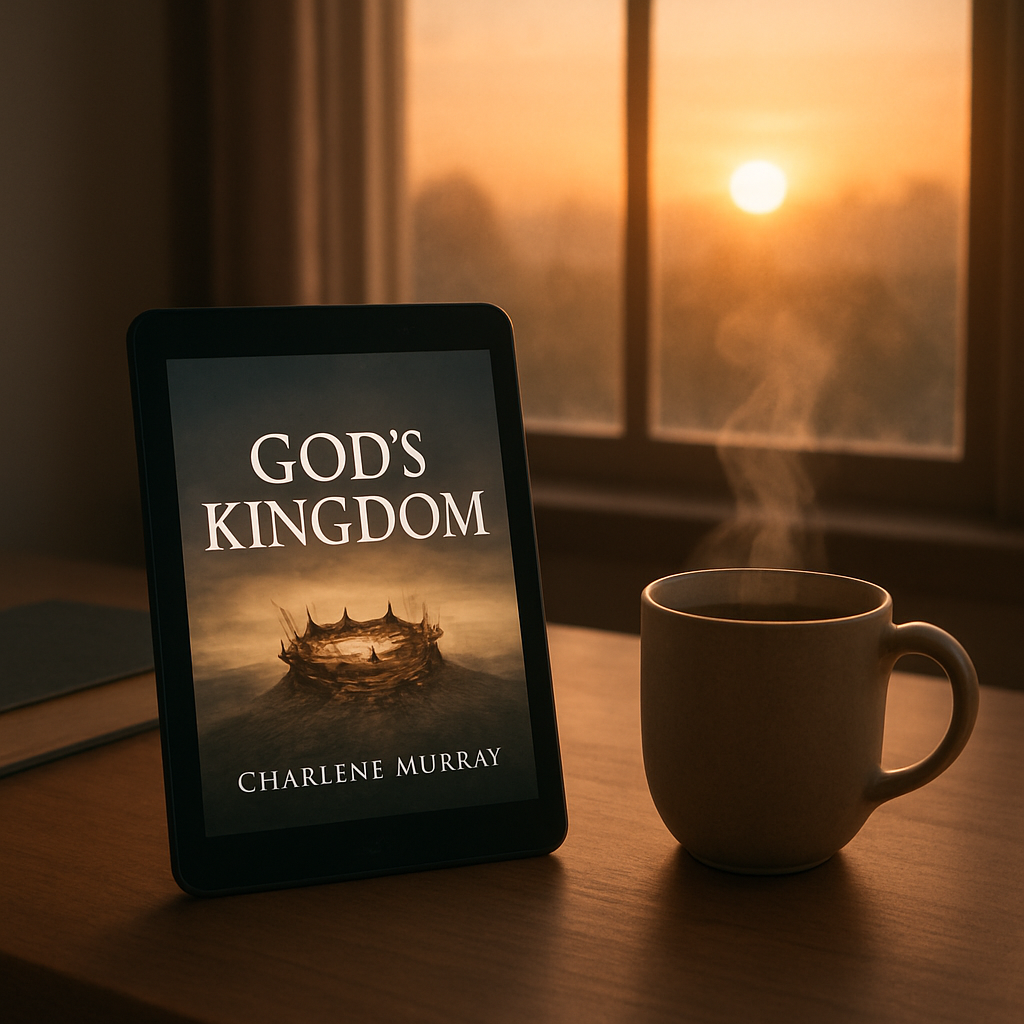
How to Select the Right Christian Ebook for Your Spiritual Journey
Ever feel like you’re scrolling through endless ebook lists, thinking, “Which one will actually speak to my heart today?” You’re not alone. Picking a Christian ebook is a bit like choosing a prayer partner – you want someone who listens, challenges, and points you back to Scripture.
Here’s a simple way to cut through the noise. First, clarify the spiritual need you’re wrestling with. Is it anxiety, purpose, forgiveness, or maybe understanding why God allows suffering? When you name the need, the right ebook starts to stand out.
Next, check the author’s background. A writer who’s walked the same valleys you’re in – whether they’re a pastor, counselor, or seasoned disciple‑maker – brings credibility. In our experience at Charlene Murray, we’ve seen authors who openly share their doubts, then anchor every insight in verses like Romans 12:2 or Psalm 23. That honesty builds trust.
Step 1: Scan the Table of Contents
A good Christian ebook is broken into bite‑size sections with clear headings. Look for chapters titled “Daily Prayer Prompt” or “Scripture Reflection.” Those signals mean the book is designed for active engagement, not just passive reading.
If the TOC feels like a random list of topics, you might end up with a collection of essays that never connect to your daily walk.
Step 2: Look for Built‑In Practices
Ask yourself: Does the ebook include worksheets, journal prompts, or short prayers? Those tools turn theory into habit. For example, a three‑question “Divine Direction” worksheet can help you notice God’s nudges during a hectic workday.
When the author offers a concrete step—like “write down three blessings before bed”—you’ve got a roadmap for growth.
Step 3: Verify Scripture References
Flip to a random page and see if a claim is backed by a verse. If the author cites Psalm 46:10 and then explains how to “be still” in a modern context, you know the content is anchored.
A quick Google search of the cited verse can confirm the alignment, but most reputable Christian ebooks include the full reference right there.
Now, let’s pause for a quick visual break.
Below is a short video that walks you through a quick ebook assessment checklist. It’s a handy reminder while you scroll through Amazon or our own store.
Take a moment to watch, then grab a notebook and jot down the three criteria that matter most to you.
Step 4: Read Reviews From Fellow Seekers
Look for reviews that mention real‑life application. Phrases like “the prayer prompts helped me calm my panic attacks” tell you the ebook delivers on its promises.
Beware of reviews that only praise the cover design or the author’s fame. Those don’t tell you how the book impacts daily faith.
Step 5: Sample the First Chapter
Most ebook platforms let you preview a few pages. Use that preview to gauge tone. Does the writer sound like a friend over coffee, or like a lecture hall professor? The former keeps you coming back.
If the first chapter feels flat or overly academic, you’ll likely lose momentum after the initial excitement.
Finally, match the ebook’s length to your schedule. A 200‑page deep dive might be perfect for a weekend retreat, while a 50‑page devotional works better for daily commuters.
Putting it all together, here’s a quick checklist you can print:
- Identify your spiritual need
- Check author’s background
- Look for Scripture citations
- Ensure built‑in practices
- Read authentic reviews
- Preview tone
- Align length with lifestyle
When you follow these steps, you’ll stop guessing and start choosing ebooks that truly nurture your walk with God. It’s like having a spiritual GPS that recalculates whenever you stray.
So, what’s your next move? Grab that notebook, pick one of the ebooks that meets the checklist, and set a micro‑habit to read a page each morning. Watch how those small moments add up to deeper peace and clearer direction.
Top 5 Must-Read Christian Ebooks for Personal Growth
When you’ve finally cracked the checklist from the previous section, the next question is: which titles actually move the needle? Below are five Christian ebooks that consistently show up in readers’ “life‑changing” stories. They’re not just pretty PDFs; each one packs Scripture, practical steps, and a story you can see yourself in.
1. "Divine Direction" – a roadmap for hearing God’s whisper
This ebook breaks the big‑picture idea of “calling” into three tiny questions you can answer each morning. Think of it like a spiritual GPS: you input the data (your heart’s nudges), and the ebook guides you to the next turn.
Real‑world example: Maria, a single mom juggling two jobs, started the three‑question worksheet on Monday. By Friday she’d identified a volunteer role that later led to a part‑time ministry job—something she’d never have seen without that simple prompt.
Action step: Grab a notebook, write down the three questions, and set a timer for five minutes each day. When the answers start to repeat, you’ve hit a pattern worth pursuing.
2. "Why God Disciplines Us" – turning correction into growth
Discipline feels uncomfortable, but this ebook reframes it as a loving teacher. It weaves together Romans 12:2 with everyday scenarios, showing how a painful moment can become a catalyst for character.
Real‑world example: James, a youth leader, read the chapter on “refining fire.” He applied the suggested prayer of surrender after a conflict with his team, and the next week the group reported renewed unity.
Action step: When you feel convicted, pause, write the verse that speaks to you, and journal a single, concrete change you’ll make this week.
3. "Forgiveness: How We Should Utilize It" – practical steps to let go
Forgiveness isn’t a feeling; it’s a habit. This ebook gives a five‑day practice that pairs a Psalm (e.g., Psalm 103) with a tangible act—like sending a brief, gracious text to someone you’ve been avoiding.
Real‑world example: Leah, who struggled with a broken friendship, followed the day‑by‑day plan. By day three she’d written a short note of gratitude, which opened the door for a genuine reconciliation.
Action step: Choose one person you’ve been holding a grudge against. Use today’s prompt: write a short, honest prayer for them, then send a brief, kind message.
4. "God’s Original Plan and Then This Is What Happened" – understanding the big narrative
This ebook walks you through creation, the fall, and redemption in a way that feels like a story night with a friend. It includes a weekly “story‑mapping” worksheet that helps you place your current struggles within God’s larger storyline.
Real‑world example: Ethan, a college student overwhelmed by anxiety about the future, used the mapping worksheet to see his worries as part of a larger redemption arc. That perspective shifted his study habits and prayer life.
Action step: Sketch a simple timeline of your life’s major events, then write a short paragraph linking each to a biblical promise.
5. "Spiritual Food" – feeding daily hunger with bite‑size devotionals
Short, 3‑minute devotionals paired with a single verse make this ebook perfect for commuters. The author backs each reflection with a scholarly footnote, so you get depth without the overload.
Real‑world example: Carla, who spends an hour on the train each day, set the ebook to pop up on her phone each morning. Within two weeks she reported a noticeable lift in morale and a clearer sense of purpose at work.
Action step: Choose a verse that resonates today, read the corresponding devotional, and jot one practical takeaway you’ll apply before the day ends.
All five of these titles share a common thread: they blend biblical truth with a concrete next‑step. That’s the sweet spot for personal growth—knowledge that you can act on right now.
Want to see what other readers are calling “top‑rated” in the Christian ebook space? Check out the curated list on Christianbook.com, which aggregates user ratings and bestseller data for a quick sanity check.Top‑rated Christian ebooks can give you additional ideas if you’re hungry for more.
Remember, the goal isn’t to finish a list just for the sake of it. Pick one that speaks to the season you’re in, commit to the daily practice it offers, and watch how those small steps compound into deeper peace and clearer direction.
Comparing Features: Traditional Books vs Christian Ebooks
Ever held a heavy paper book and felt the weight of its pages, then switched to a tablet and wondered if you’d lose something essential? That tug‑of‑war is real, especially when you’re looking for a Christian ebook that can keep up with your spiritual routine.
First, let’s talk about portability. A printed volume stays put on a shelf; you have to carry it around, and it can’t fit in a pocket. A christian ebook lives in your phone, tablet, or even a smartwatch. You can open a chapter while waiting in line for coffee, and the same file syncs across devices. That means you never have to choose between a devotional and your commute.
But does convenience equal depth? Not always. Traditional books often give you a larger canvas for footnotes, marginalia, and full‑size maps. Publishers can embed high‑resolution images, colour plates, and even detachable study guides. A christian ebook can include the same content, but you rely on the app’s reader to render it correctly.
So, what about cost? A brand‑new hardcover can run $25‑$35, while a comparable ebook might be $9‑$15. Lifeway lists a paper Bible study for $29, showing how physical editions still command a premium for quality resources for quality resources. That price gap can be a game‑changer if you’re on a tight budget.
Another factor is searchability. Imagine you’re meditating on Romans 12:2 and want to see every instance the author cites that verse. In a christian ebook you can type “Romans 12:2” and jump straight there, even across multiple books in your library. A paper book forces you to flip pages, which can be slower but also more mindful.
Does the digital format compromise the tactile experience? Some readers swear by the smell of ink and the ritual of turning a page. Others say the tactile feel is just a habit that disappears once you realize the same spiritual truth is in the words, not the paper. It’s a personal preference, and there’s no right answer.
Let’s not forget updates. A printed book is static; if the author discovers a typo or wants to add a new study guide, you’re stuck with the old edition. A christian ebook can push an update silently, giving you the latest footnotes or corrected Scripture references without buying a new copy.
And what about accessibility? Features like adjustable font size, high‑contrast mode, and read‑aloud can make a christian ebook usable for people with visual impairments. Traditional books can’t adapt on the fly, though you can buy larger‑print editions at extra cost.
Below is a quick side‑by‑side look at the most common decision points.
| Feature | Traditional Book | Christian Ebook | Notes |
|---|---|---|---|
| Portability | Bulky, physical space | Fits in any pocket or bag | Great for travel or on‑the‑go prayer |
| Cost | $25‑$35 typical | $9‑$15 typical | Significant savings over time |
| Search & Updates | Manual index, static content | Instant keyword search, auto‑updates | Less hassle, always current |
| Reading Experience | Physical feel, ink smell | Adjustable fonts, audio | Depends on personal preference |
| Accessibility | Limited (large print optional) | Built‑in accessibility tools | Inclusive for diverse readers |
What about the tools that make an ebook truly “Christian”? Platforms like Logos or BibleArc offer built‑in scripture pop‑ups, cross‑references, and original‑language tools that a paper book simply can’t match. As one scholar notes, those pop‑ups let you hover over a verse and see the full context without opening a second app in a detailed review.
So, which should you pick? If you love the ritual of turning pages and enjoy a coffee‑shop‑style study session, a traditional book might feel right. If you value flexibility, lower cost, and built‑in study tools, a christian ebook could be your go‑to.
Here’s a quick action tip: grab a notebook, list the top three features you need right now—price, portability, study tools—then match them against the table. You’ll see the choice become crystal clear within minutes.
Integrating Christian Ebooks into Daily Devotional Practices
Ever notice how the best mornings start with a quiet moment, a cup of coffee, and a thought that feels like a gentle nudge? That's the exact spot where a christian ebook can slip in and become part of your daily rhythm.
Instead of treating the ebook like a weekend project, imagine it as a pocket‑sized companion that meets you right where you are—whether that's on the subway, in the kitchen, or tucked into a bedtime routine.
Pick a Consistent Time Slot
First thing’s first: decide when you’ll open the ebook. It doesn’t have to be an hour‑long marathon; even five minutes counts. I’ve seen busy parents set a timer for the 10‑minute window after dinner, while night‑shift workers grab a chapter during their lunch break.
Why does the “when” matter? Our brains love patterns. When you always pair a specific cue—like the sound of the kettle—with a short devotional, the habit sticks faster than any willpower push.
Leverage Built‑In Study Tools
Most christian ebook platforms (think Logos, BibleArc, or the simple reader Lifeway offers) let you highlight verses, add margin notes, and even hear the text read aloud. Those features turn passive reading into active study.
For example, after a passage on forgiveness, tap the built‑in audio to hear the verse spoken, then click the scripture pop‑up to see related cross‑references. Suddenly you have a mini‑seminar in your palm.
Need proof that it works? Lifeway notes you can read on any device with their free reader, making it easy to switch from phone to tablet without missing a beat read on your phone, computer, or tablet.
Turn Reading into a Prayer Dialogue
Don’t stop at the last line of the chapter. Take one sentence that struck you, rewrite it as a short prayer, and jot it in a notebook. That tiny act bridges the gap between Scripture and your heart.
Imagine you’re on a commuter train and a verse about patience pops up. You whisper, “Lord, give me the patience to handle today’s traffic,” then note a concrete step—maybe taking a deeper breath before reacting.
Stay Accountable, Lightly
Accountability doesn’t have to be a formal group. Send a quick text to a friend saying, “Just finished the ‘Divine Direction’ prompt—my three‑question worksheet is ready.” That simple share creates a ripple of encouragement.
Or, set a weekly reminder to revisit the past week’s notes. Look for patterns: Are you consistently praying for peace? Are certain scriptures showing up again? Those trends tell you where God is stirring.
Quick Checklist to Make It Real
- Choose a 5‑10‑minute window (morning coffee, lunch break, bedtime).
- Open your christian ebook on a device with note‑taking and audio features.
- Highlight one verse, listen to the audio, then write a short prayer.
- Record a single actionable step for the day (e.g., “Call Mom after work”).
- Share a brief reflection with a friend or in a small group.
- Review your notes every Sunday to spot spiritual growth.
When you line up those tiny habits, the ebook stops feeling like a file and starts feeling like a living guide. It becomes the quiet voice that nudges you toward deeper trust, even on the busiest days.
So, grab your favourite device, pick a chapter that speaks to your current need, and let that few‑minute devotion set the tone for the rest of your day. You’ll soon notice the difference between reading a book and actually walking with its wisdom.
Conclusion
We've walked through why a christian ebook can feel like a quiet conversation rather than a lecture, how to pick the right one, and simple habits that turn reading into real growth.
So, what does all this mean for you? It means you don't need hours of study to hear God’s still, small voice. A few minutes with the right ebook—paired with a notebook, a prayer, and a tiny action—can shift your whole week.
In our experience, readers who set a 5‑minute micro‑habit notice patterns emerging faster than those who skim once a month. That pattern is the proof that the ebook is alive, nudging you toward deeper trust.
Ready to put it into practice? Choose one of the titles we highlighted, open it at the same cue each day—maybe while your coffee brews—and let the prompts guide a short prayer and a concrete step.
Remember, the goal isn’t to finish the book first; it’s to let the scripture‑grounded wisdom shape your daily decisions. As you keep returning, the ebook becomes a living guide, not just a file.
Give it a try this week and see how a handful of minutes can turn restless doubt into quiet direction. Your next step is just a click away.
FAQ
What is a Christian ebook and how does it differ from a regular e‑book?
A Christian ebook is a digital book that’s built around Scripture and faith‑based reflection rather than just general self‑help or fiction. It usually includes verse citations, prayer prompts, or journal worksheets that help you apply biblical truth to everyday situations. Think of it as a conversation with the Bible that you can carry in your pocket, so each read feels like a quiet walk with a trusted friend, not a lecture.
How much time should I spend with a Christian ebook each day?
You don’t need an hour‑long study session to see change. Most of our readers find that 5‑10 minutes of focused reading, followed by a quick note or prayer, is enough to keep the ideas fresh and let patterns surface. Pick a consistent cue—maybe while your coffee brews or during a short walk—so the habit sticks. Over a week you’ll notice tiny shifts in perspective that add up to bigger spiritual growth.
Do I need any special device or app to read a Christian ebook?
Not at all—you can open a Christian ebook on any device that supports PDF or ePub files, whether it’s a phone, tablet, laptop, or even a basic e‑reader. Most platforms let you highlight verses, add margin notes, and sync your progress across devices, so you never lose your place. If you prefer audio, many e‑readers also have a read‑aloud feature that can speak the text while you pray.
Can I use a Christian ebook for group study or small‑group devotions?
Absolutely. Because the books are broken into bite‑size chapters with built‑in prompts, you can assign a single section for a weekly gathering and then spend the rest of the time discussing the prayer question or journal exercise together. The Scripture references let everyone verify the claim, and the worksheets give a concrete takeaway that each person can apply during the week. It turns a solo read into a shared discovery.
What if I’m not comfortable with the theological depth of some ebooks?
It’s okay to start with a lighter devotional and work your way up. Look for titles that label themselves as ‘introductory’ or that focus on everyday topics like peace, gratitude, or purpose—these tend to use plain language and short verses. As you grow more confident, you can graduate to deeper studies that unpack doctrine or explore complex biblical narratives. The key is to stay honest about where you are and let the ebook meet you where you’re at.
How do I know if a Christian ebook is trustworthy?
First, check that every claim points to a specific Bible verse—most of our titles do that in the footnotes or inline citations. Second, see who the author is: pastors, licensed counselors, or longtime disciples usually include a brief bio that mentions their training and ministry experience. Third, read a few reviews that talk about real‑world application rather than just design praise. Those three clues usually tell you whether the material is solid and safe for personal growth.
Can I combine a Christian ebook with other spiritual practices?
Definitely. Think of the ebook as a framework that you can weave into prayer, worship music, or even a short meditation session. For example, after reading a chapter on forgiveness, you might spend a few minutes singing a Psalm that speaks to grace, then write down a forgiveness pledge in your journal. The flexibility lets you layer different disciplines without feeling like you’re juggling too many resources—each element reinforces the others.