

Family Bible Study Guide PDF Printable: A Practical Step‑by‑Step Resource
Ever walked into the living room, kids buzzing, and thought, "How can we make Bible time feel less like a chore and more like a family adventure?"
You're not alone. Many families crave a simple, printable guide that turns scripture into stories, discussions, and even a little fun.
That's where a family bible study guide pdf printable comes in. Imagine a tidy PDF you can download, print on cardstock, and lay out on the coffee table – each page packed with questions, activities, and space for everyone to jot down thoughts.
Think about that moment when your teenager sighs, "Do we have to do this?" and you pull out a colorful worksheet that sparks curiosity instead of eye‑rolls. Suddenly, the Bible feels alive, and the whole family leans in.
Why a printable? Digital screens are great, but a tangible guide lets kids flip pages, draw doodles, and even stick stickers. It also gives grandparents a chance to join without fiddling with a tablet.
Most guides include a short devotional, a discussion prompt, and a practical application – all designed to fit into a 20‑minute slot after dinner. No need for lengthy sermons or endless research.
And the best part? You can customize it. Add your family’s favorite verses, swap in personal anecdotes, or sprinkle in a prayer request box. The PDF format makes that easy: just edit and print again.
So, if you're wondering whether a printable guide can really change the vibe of your weekly study, ask yourself: have you seen any resource that blends structure with flexibility the way a family bible study guide pdf printable does?
Most families who try it notice deeper conversation, more laughter, and a sense of shared purpose. It's like turning a routine into a cherished tradition.
Ready to give it a try? Grab a template, print a few copies, and set a regular time – maybe Friday evenings when the house calms down.
We'll walk through how to pick the right guide, set it up, and keep the momentum going without feeling overwhelmed.
Let's dive in and discover how a simple printable can become the heart of your family's spiritual growth.
TL;DR
A family bible study guide pdf printable turns a hectic evening into a focused, joy‑filled 20‑minute session where kids, parents, and grandparents can actually talk about Scripture together.
Just download, customize a few verses, print on cardstock, and you’ll see deeper conversation, more laughter, and a new family tradition that sticks.
Step 1: Choose the Right Family Bible Study Theme
Okay, picture this: it’s Friday night, the kids have finally finished their homework, and you’re all gathered around the coffee table. The question hanging in the air? \"What are we actually going to talk about tonight?\" If you’ve ever felt that tiny pang of uncertainty, you’re in good company.
Choosing a theme is the first step that turns a vague idea into a real adventure. Think of a theme like the backbone of a story – it gives everything else direction. When the theme clicks, the discussion flows, the activities feel purposeful, and even the grumpiest teen might lean in.
Start with the heartbeat of your family
Ask yourself: what are the biggest questions we wrestle with at dinner? Is it patience, forgiveness, or maybe the idea of purpose? Write down three to five topics that pop up naturally. That list becomes your springboard.
And remember, you don’t have to reinvent the wheel. The comprehensive Bible study guide PDF already groups popular themes like "Faith in Everyday Life" or "Heroes of the Old Testament" – you can pick one that resonates right now.
Match the theme to the age range
Kids under ten love vivid stories – think Noah’s ark or David and Goliath. Tweens enjoy a bit of drama, so a theme around "Courage in the Face of Fear" works well. Teens, on the other hand, often gravitate toward real‑world applications like "Identity and Purpose." By tailoring the theme to where they are, you keep the conversation authentic.
Does this feel a bit overwhelming? Not at all. Grab a notebook, jot a quick bullet for each age group, and you’ll have a cheat sheet ready for the next study.
Blend Scripture with everyday moments
Pick a passage that ties directly to your chosen theme. For "Forgiveness," you might use the parable of the prodigal son. Then ask a simple, concrete question: \"When was a time you felt forgiven? How did that change you?\" This bridges the ancient text with modern life.
Sometimes a visual cue helps. A printable worksheet with a space for doodles can turn the discussion into a mini‑art project. That’s where the PDF format shines – you can edit, print, and even add stickers.
Need a little extra inspiration? Check out Midnight Scriber for beautifully crafted journals and devotional accessories that pair nicely with your printable guide.
After the video, take a breath. Let the ideas settle before you dive into the next step. A short pause gives everyone a chance to process and makes the upcoming activity feel less rushed.
Now, think about the practical side: how long will you spend on the theme? A solid 20‑minute slot works for most families – five minutes for a brief devotional, ten minutes for discussion, and five for a hands‑on activity.
Tip: Keep a theme journal
Write the theme, the scripture, and any notes about how it went in a simple journal. Over months, you’ll see patterns – maybe "gratitude" keeps resurfacing, or "courage" sparks the most lively debates. Those patterns become the foundation for a deeper family rhythm.
And because family life is messy, it’s okay to swap themes if something isn’t clicking. Flexibility is part of the fun.
Finally, don’t forget the relational side of study. A solid theme can open doors to healthier communication. If you’re looking for a quick guide on how to express needs without blame, this relationship‑coaching article offers practical steps that blend nicely with biblical love principles.

When you’ve settled on a theme, you’ve essentially set the stage for a night where Scripture isn’t just read – it’s lived. The next sections will walk you through gathering materials, setting the space, and keeping the momentum going week after week.
Step 2: Download and Customize Your Printable PDF
Alright, you’ve picked a theme, written that mission statement, and now the real fun begins—pressing that download button.
The PDF is already set up with placeholders for verses, discussion prompts, and a doodle space, but it’s a blank canvas until you make it yours.
First, decide what “customize” means for your family.
Do you want to swap the default verse for one that your teen has been humming on repeat? Maybe you’d like to add a short prayer that reflects a current need—like patience during back‑to‑school chaos.
Grab a colored pen and write that verse in the margin, or use a free online PDF editor to paste your favorite wording. The key is to keep the changes simple enough that a 7‑year‑old can see the difference without getting confused.
Next up: layout tweaks. The default template usually has three columns—one for the Scripture, one for questions, and one for reflections. If your kids love drawing, consider widening the reflection column so they have room to sketch a quick picture of what the story means to them.
A quick trick: print one page on regular paper first, let the kids try it out, then adjust the margins or font size before you hit the cardstock printer. You’ll save a lot of re‑printing frustration that way.
Now, let’s talk tech. If you’re comfortable with Adobe Acrobat, open the PDF, choose “Edit PDF,” and start swapping text boxes. Not a fan of pricey software? No problem—free tools like Smallpdf or PDFescape let you drag‑and‑drop text, add images, and even embed a short video.
You might wonder, “Do I really need a video in a printable?” Think about it this way: a QR code printed in the corner can link to a short devotional clip, and the kids get the best of both worlds—tangible pages and a dynamic visual.
Here’s a quick walkthrough that shows exactly how to replace the verse and add a QR code.
Watch the video, pause at each step, and follow along on your own PDF. You’ll see how a few clicks turn a generic sheet into a family‑specific study guide.
A final customization tip: create a “Prayer Corner” at the bottom of each page. Leave a blank line for each family member to write a quick prayer request. Over weeks, you’ll have a living prayer list that grows right on the printable.
When you’re happy with the look, print on a sturdy cardstock—something a little thicker than regular printer paper. It holds up better to doodles, stickers, and the inevitable coffee ring that shows up after a lively discussion.
And don’t forget to save a master copy on your computer. That way, when the next month rolls around, you can open the file, swap out the Scripture, and print again in minutes—not hours.
If you have grandparents or cousins who live far away, email them the PDF or share it via a cloud folder. They can print their own copy, add personal notes, and feel just as involved in the weekly study.
Step 3: Organize Interactive Sessions (Video Included)
Okay, you’ve got your printable in hand and the kids are already eye‑balling the colorful boxes. Now it’s time to turn those pages into a living, breathing family hangout. Think of it like setting the stage for a mini‑church service that lives right on your coffee table.
Pick a predictable time slot
First thing’s first: lock in a regular window. Whether it’s “Friday after dinner” or “Sunday morning with pancakes,” consistency tells the brain, “this is sacred.” Write the day on the fridge, set a phone reminder, and treat it like any other family appointment.
And what if a night gets crazy? No worries—just slide the session to the next day and note the change on your printable’s margin. Flexibility keeps the habit from feeling like a chore.
Assign roles so everyone feels needed
Give each person a tiny job. Maybe the teen is the “tech guru” who launches the video, the youngest is the “art director” who draws the illustration, and you’re the “discussion leader.” When kids hear “you’re in charge of the video,” they sit up a little straighter.
Does this sound like too much pressure? Not at all. Small responsibilities boost confidence, and the role‑swap each week keeps things fresh.
Set up the video component
Because we promised a video, grab a short clip that matches the week’s theme. A 2‑minute devotional on “Patience” works wonders, especially if it’s already built into a study guide you own. Print a QR code in the corner of your PDF and watch the kids scan it with their phones. The moment the screen lights up, you’ve got a multisensory experience.
Need a ready‑made video bundle? Habits of the Household study guide includes streaming video that you can link directly from your printable.
Kick off with a quick ice‑breaker
Before you dive into Scripture, try a simple prompt: “If today’s story were a flavor, what would it taste like?” It sounds silly, but it loosens mouths and gets brains working. Write the answers in the margin – later you can revisit them when you talk about the lesson.
So, what should you do next? Grab a sticky note, jot down one ice‑breaker, and keep it on your study guide for the next session.
Guide the discussion with open‑ended questions
Use the printable’s question column, but don’t read them like a quiz. Turn each one into a conversation starter: “How does this verse speak to the stress you felt at school this week?” Encourage pauses; silence often lets the younger ones step up.
If you need more prompts, the Cornerstone Family Church study guides offer ready‑made discussion points that align with popular series, making it easy to add depth without extra research.
Wrap up with a tangible take‑away
End each session with a quick action step: a prayer, a kind act, or a doodle that represents the lesson. Have everyone sign their name at the bottom of the “Prayer Corner” you created earlier. When the page fills up, you’ll see a living record of growth.
And don’t forget to capture a photo of the finished page – it’s a great way to celebrate progress on social media or a family scrapbook.
Checklist for a smooth interactive session
- Scheduled day and time on the fridge
- Roles assigned (tech, art, leader)
- QR code printed and video ready
- Ice‑breaker question prepared
- Open‑ended discussion prompts
- Action step and prayer sign‑off
With these pieces in place, your family bible study guide pdf printable becomes more than a worksheet; it transforms into a weekly ritual that children look forward to and adults cherish.
Step 4: Supplement with Recommended Books and Resources
Now that your printable is in the hands of the family, think about what you can add to keep the momentum alive. A good book or a short devotional can turn a one‑time worksheet into a habit that sticks.
First, ask yourself: what gap does the study leave? Maybe the kids need a story that stretches the lesson, or the adults want a deeper theological dive. Whatever it is, there’s probably a short e‑book that fits right in.
Pick a book that matches the theme
If you chose “Patience” for this week, Charlene Murray’s Patience e‑book gives real‑life examples you can sprinkle into the discussion. You can hand a printed excerpt to the teen or read a paragraph aloud while the younger ones draw what patience looks like.
Got a “Forgiveness” session? The Forgiveness – How We Should Utilize It e‑book breaks the concept into bite‑size stories that are perfect for a quick read‑aloud.
Make the resource part of the printable
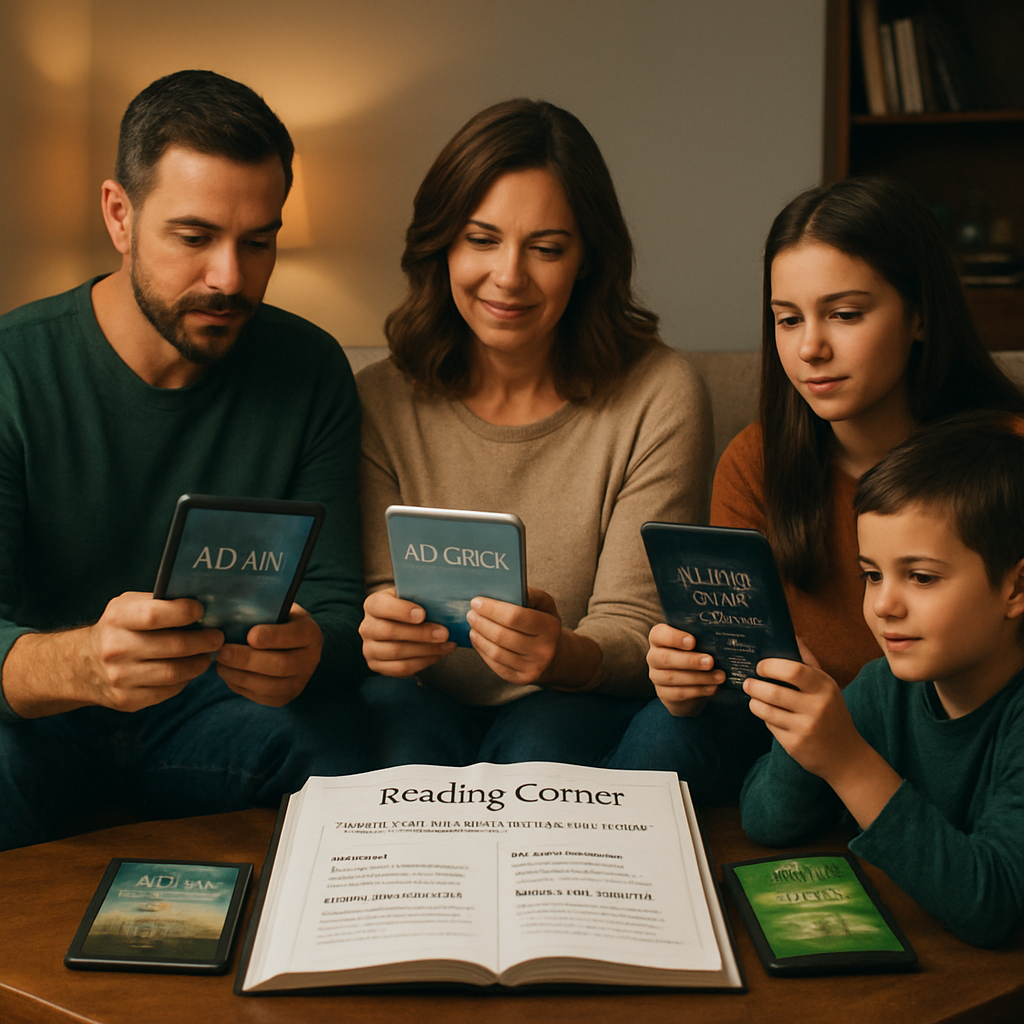
Print a tiny “Reading Corner” box at the bottom of each page. Slip in a one‑sentence teaser from the book, then leave a line that says, “Read more in ‘[Book Title]’ tonight.” It feels like a natural next step instead of a forced extra.
And don’t stop at books. A short guided meditation, a worship playlist, or even a printable journal page can deepen the experience. The key is to keep the addition lightweight—something the family can tackle in five minutes.
Create a resource checklist
Write a quick cheat‑sheet that lives on your fridge next to the study schedule. Something like:
- Book of the week: God’s Kingdom
- Quick read: 2‑page excerpt
- Discussion hook: “If God’s Kingdom were a place you could visit, what would you see first?”
This visual cue reminds everyone what’s coming next without adding pressure.
So, how do you actually pull a book into the session? Grab the PDF version, print the first two pages double‑sided, and tuck it into the printable’s front cover. If you’re tech‑savvy, scan a QR code that links straight to the e‑book’s download page. Kids love the “scan‑and‑read” magic.
Blend books with everyday moments
After the study, suggest a simple activity tied to the reading. For a “Creation” theme, you could use the Heavenly Treasures e‑book as inspiration for a nature walk, collecting a leaf or stone that reminds you of God’s handiwork.
Or, if you’re exploring “Divine Direction,” the Divine Direction Christian e‑book offers a short prayer you can say together before bedtime. It turns the study into a living conversation that carries over into daily life.
Remember, the goal isn’t to pile on more reading—it’s to give a focused, relevant boost that feels like a natural extension of the printable.
Finally, keep a running list of the books you’ve used. When you look back, you’ll see a mini‑library growing alongside your family’s spiritual timeline. That visual progress can be incredibly encouraging for both kids and adults.
Does this sound doable? Absolutely. Start small—pick one book that aligns with your next study, add a tiny “Reading Corner” to the PDF, and watch how the conversation deepens.
Step 5: Track Progress with a Printable Checklist
Okay, you’ve got the theme, the customized PDF, and the roles set – now it’s time to see the momentum build. A simple checklist does more than tick boxes; it turns abstract growth into something you can actually hold, stare at, and say, “Look how far we’ve come!”
Why a checklist matters
Think about those moments when the kids start asking, “Did we ever do this?” or when you’re trying to remember which verse you highlighted last month. A printable checklist gives you a visual trail, and research shows that visual tracking boosts motivation and confidence in family learning environments as families who use reading logs report higher engagement.
Because the checklist lives on the same sheet as your study guide, it feels natural to flip a page, mark a box, and move on. No extra app, no digital distraction – just a piece of cardstock that survives stickers, doodles, and the occasional coffee ring.
Step‑by‑step: building your own progress tracker
1. Print a master sheet. Use the same cardstock you printed the guide on. That way the checklist is sturdy enough for repeated handling.
2. Create columns that match your routine. Typical columns might be: Date, Theme, Key Verse, Completed Activity, Personal Reflection, and a tiny “Prayer ✔”. Keep the headings short – you’ll be writing in them daily.
3. Add a visual cue. Slip a small colored sticker or a star at the top of each week. When a week is done, the row becomes a little banner of progress.
4. Make it a family moment. At the end of every study, have one person place a checkmark, another draw a quick doodle, and the teen add a short note about how the lesson applied to their day. Those tiny contributions turn the checklist into a shared journal.
5. Review monthly. Pull the stack of completed pages, lay them out on the coffee table, and ask, “What surprised us this month?” It’s a natural conversation starter for a deeper prayer or a new theme.
Quick checklist template
| Feature | How to Use | Tip for Success |
|---|---|---|
| Date & Theme | Write the week’s date and chosen theme at the top of each row. | Use a different color pen for each month – it creates a visual timeline. |
| Checkmarks & Stickers | Mark each completed activity with a check or a sticker. | Let kids pick their own sticker set; ownership boosts excitement. |
| Reflection Space | Leave a one‑sentence line for each family member to jot a takeaway. | Encourage honesty – “I felt frustrated when…” is more useful than “It was good.” |
Notice how the table mirrors the columns you’ll actually print. When you see those three rows on the page, you’ll know exactly what to copy into your PDF.
Making the checklist feel personal
One trick I love is adding a tiny “reward” column at the far right. When the family hits a certain number of checkmarks, you all decide on a low‑key celebration – maybe a pancake breakfast or an extra 10 minutes of family game time. The reward isn’t the point; it’s the reminder that consistency pays off.
Another idea is to turn the checklist into a mini‑gallery. After a month, take a photo of the completed sheet, print it in a small “Family Faith Album,” and let the kids add captions. Suddenly a simple box becomes a story piece.
Common pitfalls and how to avoid them
Don’t let the checklist become a chore. If you notice anyone sighing when they reach for the pen, skip the formal entry that week and just say, “We’ll add it tomorrow.” Flexibility keeps the habit alive.
Avoid overcrowding the page. Too many columns make the sheet look like a spreadsheet, which can intimidate younger kids. Stick to five core items and expand only when the family asks for more depth.
Ready to start tracking?
Print your first checklist today, place it beside your family bible study guide pdf printable, and make a habit of marking it together after each session. Within a few weeks you’ll have a tangible record of growth, a conversation starter for future studies, and a clear visual proof that your family is moving forward – one checked box at a time.
FAQ
Got questions about using a family bible study guide pdf printable? You’re not alone. Below are the most‑frequently asked questions, plus practical answers you can start applying tonight.
What age range is a printable Bible study guide suitable for?
A well‑designed printable works from preschoolers (around 4‑5 years) up through teens. The key is to tailor the questions and activities: simple “draw what happened” prompts for the little ones, short reflection sentences for school‑age kids, and deeper discussion points for teenagers. Most families find that a single PDF with three columns—scripture, prompt, space to doodle—can be customized with colored pens or stickers so every age feels included.
How often should we meet to get the most out of the guide?
Consistency beats intensity. A 20‑minute session once a week fits most busy households and creates a rhythm that kids start to expect. If a week gets hectic, you can shorten the time to 10 minutes or shift the meeting to a weekend morning. The printable’s checklist column lets you mark “completed” or “postponed,” so the habit stays visible without feeling like a chore.
Can we use the printable if we’re not tech‑savvy?
Absolutely. The beauty of a PDF is that you only need a basic printer and a pen. Download the file, print on cardstock, and keep a stack on the kitchen counter. If you ever want to add a QR code for a short video, free online tools let you generate one in minutes—but it’s totally optional. The guide works perfectly offline, so no Wi‑Fi is required.
What if my family doesn’t finish a page in one sitting?
Don’t treat unfinished pages as failure. The printable includes margin space for “continue next time,” and you can simply roll the sheet to the next week. Some families split the session: read the scripture first, then let the kids draw while dinner cooks. The flexibility keeps the momentum alive and prevents the study from feeling like a school assignment.
How can we keep the printable fresh and engaging?
Swap out verses, add seasonal stickers, or insert a quick “prayer corner” at the bottom of each page. You can also print a new cover page each month with a family photo or a theme illustration. Changing the visual cues—like using a different colored pen for each month—helps kids notice progress and stay excited about the next study.
Is it okay to blend other resources, like books or videos, with the printable?
Yes, and it often enhances the experience. Pair a short e‑book excerpt that expands on the week’s theme, or pause a 2‑minute devotional video that reinforces the main point. Place a QR code in the corner of the PDF so anyone can scan and watch. Just keep the core printable as the anchor; extra resources should feel like a bonus, not a requirement.
What should we do with the completed checklists?
Turn them into a family “faith album.” After a month, photograph each filled‑out page, print a small collage, and let the kids add captions. This creates a tangible timeline of spiritual growth that you can revisit during holidays or when a child asks, “What did we learn last year?” It also gives you a quick visual proof that consistency really does pay off.
Conclusion
Let’s take a quick breath and look back at what we’ve just built together. You’ve seen how a simple family bible study guide pdf printable can turn a hectic evening into a focused, joy‑filled ritual that pulls everyone in.
We walked through picking a theme that matches your family’s season, customizing the PDF so each voice feels heard, and adding tiny hooks like QR‑code videos or a prayer corner that keep the pages alive.
Then we set up a repeatable schedule, gave everyone a role, and used a printable checklist to see progress in real time. Those small habits add up, turning scripture study into a story you all look forward to each week.
If you’re wondering whether to dive in right now, the answer is simple: grab a template, print it on cardstock, and try one session tonight. You’ll be surprised how quickly the conversation shifts from ‘do we have to?’ to ‘what’s next?’
Remember, the guide is just a framework – you’re the one adding love, laughter, and those little moments that stick. Keep tweaking, keep celebrating each checkmark, and watch your family’s faith story grow.
So go ahead—download your family bible study guide pdf printable today, make it yours, and let the habit of shared Scripture become the heart of your home.
Bonus Tips: Printable Prayer Cards for Family Worship
Ever felt the prayer time slipping into background noise? You’re not alone. A simple printable prayer card can pull that moment back into focus, right where it belongs—on the coffee table with your family bible study guide pdf printable.
Here’s the trick: design a card that’s just big enough for one short prayer, a tiny space for a name, and a doodle box. Print it on thick cardstock so it survives the occasional spill, then tuck it into the back of your study guide. Suddenly you have a “Prayer Corner” that lives on every page.
How to make it personal
Start with a theme that matches your week’s scripture. If you’re studying patience (see Charlene Murray’s Patience e‑book), write “Help us wait calmly for…” and let each family member finish the sentence. The unfinished line invites honesty and keeps the prayer real.
Want a visual cue? Add a tiny QR code that links to a 2‑minute devotional video. Kids love scanning, and the video reinforces the prayer focus without stealing the printable’s simplicity.
Quick printable checklist
- Choose cardstock (⅜‑inch works well).
- Print one card per family member per week.
- Place the card on the study guide’s “Prayer Corner” page.
- Spend 2‑3 minutes each session reading the cards aloud.
- Swap cards next week for fresh requests.
Because the habit of writing down prayers makes them tangible, you’ll notice more engagement. In fact, the Rooted Family Bible Curriculum highlights a built‑in “prayer prompt” that families find helpful for keeping conversations alive according to their curriculum guide. Our printable prayer cards work the same way—tiny, repeatable, and always ready.
And don’t forget the “bonus” part: let the kids decorate the back with stickers or a quick sketch. When the card looks lived‑in, the prayer feels lived‑in, too. Give it a try tonight; you’ll be surprised how a single card can turn a rushed sigh into a heartfelt moment. Give each family member a turn to lead the prayer, and watch the habit grow stronger week after week.