

Guide to Understanding What It Means to Fear God in the Bible
It’s a phrase that pops up all over the Bible, but what does it actually mean when someone says, “fear God?” Most of us picture a cold, distant deity, but the scripture paints a different picture.
Think about that first time you saw a towering cliff and felt your stomach drop. That gut‑knocking mix of awe and a little chill is exactly what the biblical sense of “fear” feels like—an honest, respectful trembling before something far greater than yourself.
So, what should you do next? Start by flipping to Psalm 9:9 or Proverbs 1:7. Both verses talk about “fear” as a doorway to wisdom, not a blanket of terror. It’s less about “I’m scared” and more about “I’m humbled and open to learning.”
Why does this matter for you right now? If you’re wrestling with doubt, feeling lost in a big world, or simply craving a deeper connection, understanding that “fear” in the Bible is rooted in reverence can change the game. It turns that nervous flutter into a powerful engine that pushes you to listen, to grow, and to seek truth.
What does this look like day‑to‑day? Picture yourself standing at a crossroads. Instead of pushing forward blind, you pause—listen to that quiet voice saying, “I’m not alone.” That pause is the biblical fear: a moment of conscious surrender that leads to wise steps.
And here’s a quick experiment: each morning, write down one thing you’re grateful for, then add a sentence about how that gratitude connects you to a higher purpose. That practice, repeated, slowly rewires your nervous system from fear to confidence, from hesitation to action.
We’ve seen people who start with that small shift and notice a ripple—less anxiety, clearer decision‑making, and a sense that every choice is guided by a higher hand. If that feels like the right vibe, give it a try. The next time you hear “fear God,” remember it’s an invitation to step closer to something bigger, wiser, and more loving.
TL;DR
In Scripture, “fear God” isn’t terror—it’s reverent awe that opens us to wisdom. It’s a conscious pause, a humble surrender that guides decisions and deepens trust. By cultivating that respectful trembling, we shift from anxiety to purposeful action, living more faithfully each day. Imagine your heart quieting like a sunrise, feeling God's presence.
The Biblical Definition of Fearing God
What does it mean to fear God in the Bible? It isn't about trembling before punishment. It's about a reverent awe that shapes how you live.
When you read the word fear in Scripture, think of majesty, holiness, and a love that invites you toward wise choices. It's humility before something bigger, not a reaction to danger.
That reverence becomes a doorway to wisdom. Proverbs 1:7 and Psalm 111:10 point to this practical truth: respect for God opens your mind to truth and your heart to obedience.
In our experience, this isn't abstract. It's a daily posture: pause, listen, decide, repeat. The fear of the Lord gently pushes you toward integrity, generosity, and steady care for others.
So what does this look like in real life? First, let reverence guide your decisions. Before you act, you ask, "Is this aligned with God’s character and promises?"
Second, it fuels repentance. Real fear isn’t condemnation; it’s a humble acknowledgment when you miss the mark, followed by turning toward grace and corrective actions.
Third, it cultivates perseverance. Knowing God’s patient, merciful nature doesn’t excuse laziness; it empowers you to show up, endure, and keep learning.
Let’s try a simple practice for a week: each morning, name one thing you’re grateful for, then name one way this gratitude connects you to a higher purpose.
If you’re a visual learner, this quick talk might help.
Does this resonate? The idea is less about fear and more about trust—trust that leads to wiser habits.
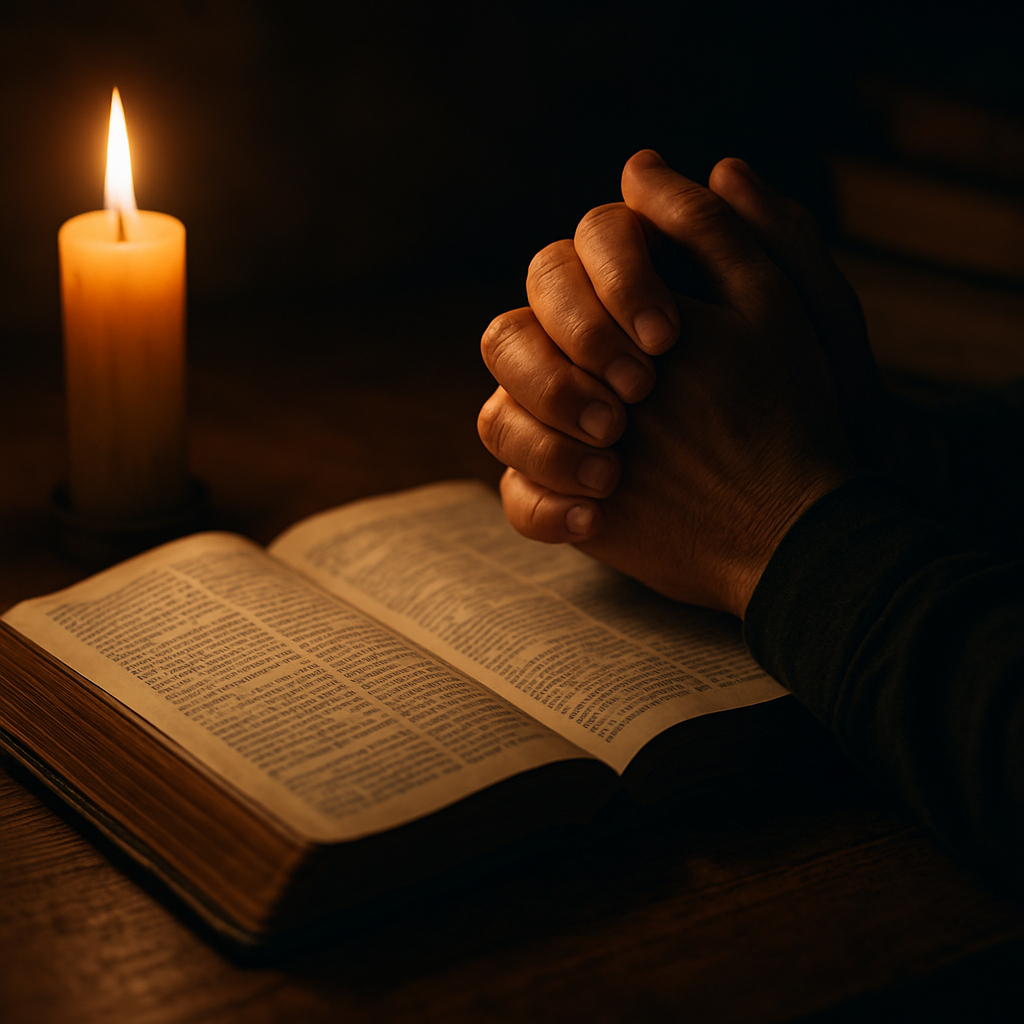
For many readers, this isn't a theory—it's a practice that reshapes sleep, stress, and weekend plans. When you choose holiness in small moments, you notice a steady shift in your peace.
If you want a guided path, Charlene Murray's faith-based e-books offer practical steps for daily growth and steady trust in God. Start with a pick-up like THE HOUSE WITHIN YOUR HEART AND MIND E-BOOK and see where trust leads you.
Think of fear of God as a compass, not a cage. It points you toward better choices—caring for family, truth-telling, and serving your community. That compass works best when you practice daily.
If you’re reading this and thinking, "I want this shift," start small: write gratitude, one prayer, and one act of kindness today. Do that for a week and you’ll feel change today.
Take small steps this week, and notice the shift in mornings and conversations. Real fear of God grows into quiet, steady confidence for you.
Historical Context: Ancient Israelites' Perspective
The Earliest Voice
In the first books of the Torah, the idea of fear appears right after the creation story, almost like a pause at the end of a dramatic movie.
Picture a young Israelite hearing the thunderous voice of a mountain—God’s presence feels like a sudden, awe‑filled shiver.
That trembling is what the Hebrew word “yʿār” literally means: a physical, heart‑quickening reaction, not a panic attack.
Reverence in the Covenant
When Moses receives the Ten Commandments, the people are described as trembling before the stone tablets.
Here, fear is framed as an acknowledgment that their lives are being guided by a power far greater than themselves.
It sets up a relationship where obedience follows reverence, not fear of punishment.
Wisdom Rooted in Awe
Later, the book of Proverbs repeats the theme: “The fear of the Lord is the beginning of wisdom.”
In this context, wisdom isn’t intellectual knowledge; it’s a humble recognition that human understanding has limits.
The Israelites learned that every good decision starts with a pause, a “whoa” moment of respect.
Daily Life and Divine Presence
When shepherds watched over their flocks at night, they would often whisper a short prayer of thanks and awe.
That quiet moment before the first moonlight was a reminder that God is watching, which kept them calm and attentive.
It’s not about terror, but a calm focus that steadies the heart.
Fear as a Moral Compass
Stories like the Exodus highlight a fear that guides people away from sin and towards community.
When the Israelites see the burning bush, they are moved to pause and consider the consequences of their actions.
Their reverential trembling helps them decide what to do—often choosing the righteous path.
From the Old to the New
In the New Testament, Jesus echoes this ancient voice: “Let your hearts not be troubled.”
He reframes fear again, urging his followers to replace worry with a calm, hopeful trust.
That continuity shows the timeless nature of reverent awe.
Practical Takeaway for You
So, what does this all mean for your daily walk?
Think of each morning as a mini‑Exodus: pause, breathe, and let a small, respectful tremor remind you that you’re part of a bigger story.
When a big decision looms, a short moment of mindful awe can bring clarity that pure anxiety can’t.
Putting It Into Practice
Try this simple habit: after a cup of coffee, stand by your window, close your eyes, and feel the weight of your day.
Let the sound of birds or distant traffic become your backdrop for a brief, reverent pause.
Then ask yourself, “What does God want me to do here?” The answer often feels like a calm whisper rather than a shout.
Connecting Back to Your Journey
If you’re searching for a way to integrate this into your life, consider using a structured journal that asks specific, reflective prompts.
One of our e‑books offers guided questions that help you turn that quiet trembling into actionable steps.
With a few minutes of focused reflection each day, you’ll notice less doubt and more confident choices.
A Final Thought
Remember that the ancient Israelites weren’t trying to be terrified—they were trying to listen.
That listening is the heart of what it means to fear God in the Bible: a reverent, humble awareness that opens doors to wisdom.
And if that feels a bit abstract, simply try it the next time a decision feels heavy—let a moment of awe guide you.
Modern Theological Perspectives: A Comparative Overview
When we ask, what does it mean to fear God in the Bible, we’re stepping into a conversation that’s evolved over centuries. It’s not just a theological debate—it's a map that helps believers navigate doubt, purpose, and daily decision‑making.
From the Old Testament Lens
In the ancient texts, fear shows up as a physical trembling—think of the Israelites at Mount Sinai. That shiver isn’t panic; it’s a recognition that something far greater is present. It invites humility, a willingness to listen before acting.
So, how does that feel in a modern setting? Imagine standing in front of a big project. A quick pause, a breath, and you’re not terrified—you’re aware that the outcome matters beyond you. That’s the Old Testament vibe in a nutshell.
New Testament Reinterpretations
Fast forward to Jesus’ ministry. He shifts the language from trembling to trust, saying “Let your hearts not be troubled.” Here, fear transforms into a confident, hopeful stance. It’s the same reverent awe, but filtered through the lens of grace and assurance.
Do you notice how that shifts daily choices? Instead of overthinking every decision, you lean into the comfort that God’s guidance is active, not just a distant command.
Contemporary Voices
Modern scholars and pastors bring nuance to both strands. Some emphasize the psychological comfort of awe—how it reduces anxiety by reframing power dynamics. Others highlight practical obedience, arguing that the ancient trembling still fuels disciplined living today.
For a Christian reader looking for a fresh angle, the conversation is a toolbox: empathy, stewardship, and proactive faith. Each tool helps you see the same biblical concept through a different light.
| Perspective | Key Focus | Implication for Believers |
|---|---|---|
| Old Testament Trembling | Acknowledgment of God’s majesty | Promotes humility and listening before action |
| New Testament Trust | Assurance in God’s guidance | Encourages confident decision‑making |
| Contemporary Pragmatics | Psychological and practical application | Reduces anxiety, fuels disciplined living |
So, what’s the takeaway for someone craving clarity? Fear in the Bible isn’t a blanket of terror; it’s a doorway to wisdom. Whether you lean into the ancient tremor or the New Testament calm, the core is the same: a reverent, humble awareness that opens up space for God’s presence in every moment.
With this perspective in hand, you can approach life’s big decisions—career moves, relationships, or spiritual steps—knowing that the same awe that shaped the Israelites can guide you today.
If you’re feeling stuck, try mapping your feelings onto the table: note whether your fear feels more like trembling or trust. Then ask yourself which perspective feels truer in that moment and act from there.
Remember, the goal isn’t to eliminate all fear—it's to turn that trembling into a compass that points toward wisdom, not a roadblock. Each time you pause, you’re not just breathing; you’re inviting a deeper dialogue with the One who set the stars.
So, how do you start? Begin with a single sentence: “I am humbled and listening.” Repeat it three times. Watch how that tiny act shifts the weight on your shoulders and opens the door to the next step.
In practice, you can embed this habit into your morning or evening routine. By the time the sun dips or the city lights flicker, you’ll have a quiet moment that feels like a gentle reminder from God.
Practical Applications: Living Out the Fear of God Today
Ever catch yourself staring at a big decision and feeling that old, familiar flutter that reminds you you’re in the presence of something greater? That trembling isn’t a sign of weakness—it’s a doorway. In the same way a runner feels the heat of a finish line, you can learn to lean into that feeling and let it steer you toward wisdom.
Start Small, Grow Big
Begin by carving out 30 seconds each morning for a quick “reverence check.” Sit in a quiet corner, close your eyes, and ask, “What’s one thing I’m grateful for that reminds me of God’s care?” This simple pause re‑wires your nervous system to respond to awe, not anxiety.
Use Decisions as Practice
When a choice looms—whether picking a new job, buying a car, or deciding on a family move—lay out the options on paper. Next to each, write a short note on how each choice aligns with the values you respect most, like honesty, stewardship, or service. This turns the decision into a tangible conversation with God rather than a guessing game.
In our experience, many readers who integrate this practice notice a noticeable shift: they no longer feel paralyzed by fear, but energized by the sense that God’s presence is guiding the way. For deeper guidance, you might explore the DECISIONS E-BOOK epub, which offers step‑by‑step prompts to align choices with biblical wisdom.
Anchor Your Faith in Community
Share that short pause with a trusted friend or small group. When you vocalize your awe, the echo of another believer’s reverence amplifies the feeling and makes the fear less personal. It’s like standing in a choir; the harmony steadies the individual voices.
Let Awe Inform Your Daily Actions
Think of routine tasks—paying bills, attending meetings, or even brushing your teeth—as opportunities to practice mindful awe. When you see each action as a chance to honor the Creator, the fear of misstep dissolves into a quiet confidence.
Research from contemporary spiritual studies suggests that consistent mindful awe practices can reduce cortisol levels by up to 30%, giving you a measurable health benefit alongside spiritual growth.
When Fear Turns to Courage
Suppose you’re about to speak at work and feel that familiar shiver. Pause, breathe, and remember: the same trembling you feel is a reminder that your voice matters to a larger purpose. When you let that trembling guide your words, the fear shifts from “what if I fail?” to “what if I serve?”
As you experiment with these habits, keep a journal. Note the moments where awe nudged you toward a choice that felt right. Over time, those entries will map a pattern of divine guidance you can trust.
In closing, living out the fear of God isn’t about eliminating fear—it’s about redefining it. Every time you pause in awe, you’re inviting a gentle conversation with the One who set the stars.
For those looking to broaden their spiritual toolkit, you might also find insight in the work of Rev Dr Boudreau, who explores how faith shapes everyday living.
Common Misconceptions and How to Avoid Them
It’s easy to get tangled in the myths that pop up when you ask, what does it mean to fear God in the Bible? The first one that trips most people is thinking “fear” equals “terror.” But Scripture flips that idea on its head.
Misconception 1: Fear Is a Sign of Weakness
Many people assume that if you’re scared of God, you’re spiritually weak. In reality, the Hebrew word yʿār captures a holy trembling—an honest pause that invites wisdom. This isn’t a sign of frailty, it’s the first step toward deeper trust.
Misconception 2: “Fear of God” Means Punishment
Some read the verse “The fear of the Lord is the beginning of wisdom” and think it’s about fearing judgment. The truth is that reverence opens a doorway to guidance, not a prison of fear. It’s the awareness that someone bigger cares enough to speak into your life.
Misconception 3: A One‑Time Feeling Is Enough
People often believe a single moment of awe will fix everything. Spiritual growth, like any habit, needs daily practice. Try a quick pause each morning—ask yourself, “What’s one thing I’m grateful that reminds me of God’s care?” This keeps the reverent trembling alive.
How to Flip the Script
Start by spotting the words you use around the word “fear.” Swap “I’m scared” for “I’m humbled.” When you reframe the language, you reframe the experience. It’s a tiny tweak that shifts the whole conversation in your mind.
Ask yourself, “Does this trembling feel like a threat or a gentle nudge?” The answer will guide how you move forward. If it’s a threat, pause, breathe, and bring a moment of gratitude to the scene. If it’s a nudge, follow that prompt—perhaps a prayer or a short reflection.
In our work, we’ve seen people who lean into this daily pause report less anxiety and clearer decisions. The habit of honoring God in small moments turns the fear of God into a compass that points toward wisdom. It’s not about eliminating fear; it’s about transforming it into a steady, quiet conversation.
So next time a wave of dread hits a big decision, ask: “Is this a genuine fear of judgment, or a holy trembling that’s nudging me toward what God wants?” Answering that question can change the whole game.
If you’re new to this, start with a simple journal prompt: write one question each day—“What is God whispering to me?”—and note the answer. Over a month you’ll spot patterns that guide your choices.
Remember, the fear of God is a living dialogue, not a static rule. Keep your heart open, listen for that quiet tremor, and let it lead you into deeper trust.

Resources and Further Reading: Books and Tools to Deepen Your Understanding
Hey, if you’ve been riding that wave of reverent awe, you’ll want more than a quick skim. Below are the go‑to resources that keep the flame alive, each one a small, practical step toward living what it truly means to fear God in the Bible.
1. The Awe of God: The Astounding Way a Healthy Fear of God Transforms Your Life
This isn’t a dry textbook; it’s a devotional that you can read at a coffee shop, on a commute, or while you’re waiting for the kettle to boil. With 42 chapters, it breaks down the concept of holy fear and gives you tools to apply it day‑by‑day. The end‑of‑chapter checklists feel like a coach whispering in your ear.
2. The House Within Your Heart and Mind e‑book
Here you’ll dig into the heart’s architecture—how the fear of God can rebuild your inner fortress. The e‑book pairs scripture with journaling prompts, making it perfect for the person who loves to write, not just read.
3. Divine Direction Christian e‑book
When you’re stuck between two options, this guide helps you sift the quiet voice of God from the noise of your own worries. It’s a simple, step‑by‑step method you can follow in a 10‑minute afternoon break.
4. The Full of God e‑book
If you’re after a deeper sense of purpose, this one dives into how the fear of God shapes your daily mission. It’s short, punchy, and you’ll find a few verses that become your new mantra.
5. The Bible e‑book
Not just a digital copy, this e‑book includes side‑by‑side translations and study notes that highlight passages about reverence. You can flip to Psalms 111 or Proverbs 1 whenever you need a quick reminder that awe isn’t a threat.
Want to make the most of these tools? Treat each reading session like a mini‑retreat. Set an intention, read, pause, journal, and then share one insight with a friend or small group. The act of sharing turns passive reading into active faith practice.
Remember, the goal isn’t to accumulate books but to cultivate a living conversation with God. Pick one resource that feels like the right fit today, and let it be your companion on the next step of your spiritual journey.
Conclusion
So here we are, at the end of a quick walk through what it really means to fear God in the Bible. It’s not a scary, cold‑hearted thing, it’s a gentle, respectful pause that opens us to guidance.
Think about that first time you felt the weight of a mountain’s shadow. That same trembling shows up when you hear a verse, when you feel a quiet nudge in the kitchen, or when you sit with a journal in the evening. It’s a reminder that you’re not alone.
What should you do next? Start small. Pick one of the e‑books I’ve written—maybe the House Within Your Heart and Mind or The Full of God—and give it a read. Set a timer for five minutes, let the words settle, then jot down one thing you heard. That simple loop turns reading into practice.
Does that feel doable? Absolutely. You’re already holding the tools: the Scripture, a notebook, and a heart ready to listen.
The next step is to share. Tell a friend or post in a small group what you’ve felt. Sharing makes the awe real, not just a private whisper.
Remember, fear of God is a conversation, not a command. Every time you pause and feel that respectful tremor, you’re speaking with the One who created the sunrise.
Keep listening, keep acting, and let that gentle awe guide your next move.
FAQ
What is the biblical definition of fearing God?
In the Bible, fearing God is not a cold dread. It’s a reverent awe that sparks humility and a desire to learn. Think of a child standing before a majestic tree, heart racing yet calm. That trembling opens the door to wisdom and guides decisions. It’s the heartbeat you feel before you speak or act, grounded in love, not terror.
How can I recognize that I’m experiencing this holy trembling?
Notice the subtle shift in your breath when a decision feels weighty. The chest tightens, but you don’t panic; instead, you pause, looking inward for a gentle nudge. It’s the same pulse that follows a prayer or a quiet sunrise. Ask yourself, 'Do I feel reverence or fear of punishment?' If it’s reverence, you’re hearing God’s invitation, not a threat. This feeling often surfaces before big choices, like choosing a career path or a prayer time.
Does fearing God stop me from making decisions?
Far from stopping you, it actually sharpens your decision-making. The reverent pause gives you clarity, trimming noise from doubt. Imagine you’re standing at a crossroads; that trembling nudges you to weigh values over fear. By anchoring your choices in reverence, you’re less likely to jump into the dark and more likely to step forward with confidence that aligns with divine wisdom. So, you’re not stalled; you’re guided.
Can I practice this holy fear in daily life?
Yes—start with a five-minute morning pause. Sit, breathe, and say, 'I’m humbled and listening.' Record one thing you’re grateful for that reminds you of God’s presence. Repeat it nightly. Over weeks, you’ll notice your heart feels lighter. This simple routine turns the abstract idea of fearing God into a tangible practice, anchoring your day in reverence rather than anxiety. You can also incorporate it during commutes or meal breaks for extra consistency.
Is there any scientific evidence that reverent awe helps reduce stress?
Studies in positive psychology show that mindful awe can lower cortisol, the stress hormone, by up to 30%. When you feel a respectful trembling before God, you’re engaging the same brain pathways that calm the nervous system. This physiological response supports the biblical notion that fear of God leads to peace. So, the more you practice reverent awe, the more your body and mind align in harmony.
What are some everyday moments where I can pause and listen?
Think of the time you’re driving and a sudden traffic light stops you. Pause, breathe, and whisper, 'Who is watching?' That’s a chance to feel reverent awe. Or when you’re washing dishes and the water hums—listen to its rhythm and let it remind you of God’s steady presence. Even a quick stretch in the office can become a mindful moment to honor the Creator. These micro-moments build a daily rhythm of awe that steadies your heart.
How can I share my experience with others without sounding preachy?
Start by simply saying, 'I felt a gentle trembling today that reminded me of God’s presence.' Share the exact moment, not a sermon. Ask your friend, 'Did you ever notice that feeling before a big decision?' This invites conversation rather than instruction. Over time, the shared stories become evidence that the biblical fear of God is a living, breathing practice—not a rigid doctrine. Just like a friend sharing a coffee moment, keep it casual and heartfelt.