

How to Overcome Anxiety with Scripture: A Practical Step‑by‑Step Guide
Ever find yourself staring at the ceiling in the middle of the night, heart pounding, wondering if there's any peace left for you?
Maybe you've tried breathing tricks, meditation apps, even a quick jog, but the anxiety still feels like a storm you can't outrun.
Here's the thing: the Bible isn’t just a collection of ancient stories; it’s a toolbox you can open right now when your mind races.
When we ask ourselves how to overcome anxiety with scripture, the answer often starts with a single verse that speaks directly to the worry that’s chewing at us.
Take Psalm 23, for example. “Even though I walk through the darkest valley, I will fear no evil…” Those words can become a mental anchor, a reminder that you’re not walking alone.
Or consider Philippians 4:6‑7: “Do not be anxious about anything… the peace of God… will guard your hearts.” When you repeat that promise, you’re actually rewiring the brain’s stress response with God’s calm.
So, how does this work in practice? First, pick a verse that hits the spot. Write it on a sticky note, set it as your phone wallpaper, or whisper it before you drift off to sleep.
Next, pair the verse with a simple pause. Inhale slowly, say the verse in your head, exhale, and feel the tension loosen. Do this three times whenever you notice the worry coil up.
It might sound a bit goofy at first, but many people tell me that the act of speaking God’s truth out loud makes the fear feel less like a monster and more like a cloud passing by.
And if you ever feel stuck, remember you’re not alone—there are whole e‑books packed with curated verses, journaling prompts, and prayer guides that walk you step‑by‑step through this process.
Ready to give it a try? Grab a favorite scripture, set a reminder, and watch how the weight lifts a little each day.
Let’s dive in and discover the practical ways you can turn holy words into a daily antidote for anxiety.
TL;DR
When anxiety spikes, pick a verse that speaks to your heart, pause, inhale, whisper the scripture, and exhale the worry away today.
Repeat this three‑times daily, keep the verse visible on a sticky note or phone wallpaper, and watch God’s peace gradually replace the fear in your mind, restoring calm.
Step 1: Choose Comforting Scriptures
Alright, let’s pause a second. You’ve felt that knot in your chest, right? The one that tightens whenever the news scrolls, a deadline looms, or a memory pops up. The first thing you can do is grab a verse that feels like a warm blanket on a cold night.
Think about the moments when a line from the Bible actually stopped you mid‑thought. Maybe it was Psalm 23’s "Even though I walk through the darkest valley..." or Philippians 4:6‑7’s promise of peace. Those verses become your personal “reset button.”
Here’s a quick way to pick one:
- Write down the anxiety trigger you’re facing – finances, relationships, health, etc.
- Search a Bible verse that speaks directly to that trigger. A good place to start is the Finding Peace: Scriptures for Anxiety and Depression and How to Apply Them guide – it lists verses with short explanations.
- Read the verse out loud, then whisper it to yourself a few times. Notice which one makes your heart settle.
Once you’ve got a favorite, make it visible. Stick a note on your bathroom mirror, set it as your phone wallpaper, or even write it on a prayer journal page. The goal is to have it pop up right when the worry starts.
Now, you might wonder, “What if I’m not a Scripture‑savvy person?” No worries. You can start with the most popular comfort verses – Psalm 91, Isaiah 41:10, or John 14:27 – and see which one resonates. It’s okay to rotate them until you find the perfect fit.
And because anxiety often sneaks in through other life areas, consider pairing your verse with a tiny extra practice. For example, holding a piece of fluorite while you recite the verse can add a subtle physical reminder. Fluorite is known for its calming energy, and you can read more about its benefits in this comprehensive guide to the healing crystal fluorite.
Do you ever notice how relationship stress fuels anxiety? If that’s you, a quick check on your attachment style can shine a light on hidden triggers. This attachment styles quiz for couples helps you see if you’re reacting from fear, avoidance, or something else, so you can choose a verse that speaks to that specific need.
Financial worries are another big anxiety driver. When the numbers get overwhelming, a short prayer backed by a verse can shift your mindset. Some folks find it helpful to browse resources like Vital Partners for practical budgeting tips, then anchor the advice with God’s promise of provision.
Ready to try it now? Pick a verse, write it down, and sit somewhere quiet. Inhale slowly, say the verse in your head, exhale and let the words settle like dust on a windowsill. Do this three times, then go about your day feeling a bit lighter.
Notice how the video walks you through a simple breathing rhythm paired with Scripture. It’s the same pattern we just described, just with a visual cue.
After you’ve practiced a few times, you’ll start to recognize the subtle shift – the worry still shows up, but the verse acts like a gentle tug, pulling your thoughts back to peace.

Step 2: Practice Meditative Reading
Now that you have a verse that clicks, it’s time to turn reading into a quiet, calming habit. Think of it as inviting God into the very rhythm of your breath.
Set the scene
Find a spot that feels safe – maybe a comfy chair by the window, a cushion on the floor, or even a quiet corner of your kitchen. Dim the lights, close the door, and let any background noise fade. A simple cue, like lighting a small candle, tells your brain, “We’re about to slow down.”
Pick a breathing rhythm
One method that many find helpful is the 4‑4‑8 breath pattern paired with scripture. You inhale for four counts, hold for four, then exhale for eight while mentally reciting the verse. iBelieve explains how this rhythm activates the parasympathetic nervous system, easing the fight‑or‑flight response.
Try it with Psalm 23:4: “Even though you walk through the darkest valley, you will fear no evil.” Inhale, picture the valley, hold, then exhale as you whisper, “I will fear no evil.” The breath grounds the words, and the words ground the breath.
After the video, notice how the verse feels less like a line of text and more like a gentle pulse inside you. That shift is the magic of meditative reading.
Create a mini ritual
Make the practice feel personal. Keep a small notebook beside your Bible, jot down the verse, and maybe add a doodle or a word that captures how you feel that day. Some people hold a smooth stone – like a piece of fluorite – to remind the mind that God’s steadiness is tangible.
Set a timer for three minutes. When it rings, you’ve completed one round. Consistency beats length; three minutes twice a day beats an hour once a week.
Track the shift
After each session, ask yourself a quick check‑in: “Did my heart rate feel calmer? Did a worry loosen?” Write a short note – “felt lighter,” “thoughts still racing,” etc. Over a week you’ll start seeing a pattern, and that evidence fuels confidence.
If you enjoy deeper structure, you might explore Charlene Murray’s “Scripture Writing Plan for Anxiety” – it guides you to weave verses, journaling, and prayer into a single flow. No link needed; just a title you can look up later.
Give yourself grace. Some days the mind will wander, and that’s okay. Gently bring it back to the breath and the verse, like you’d guide a stray puppy back to its leash.
Ready to try? Choose a verse, set your timer, and breathe with purpose. In a few days you’ll notice that the same anxiety that once felt like a storm now feels more like a passing cloud.
Step 3: Incorporate Prayer and Reflection
Okay, you’ve got a verse that clicks and you’ve already tried the breath‑in‑verse‑out routine. Now it’s time to bring prayer into the mix—because the Word alone can feel like a beautiful picture on a wall, but prayer makes it a living conversation.
First thing’s first: think of prayer as a quick text to God, not a formal sermon you have to deliver. When anxiety spikes, you can whisper, “Lord, I’m scared right now,” and then let the Scripture you love do the heavy lifting.
Pick a prayer pattern that fits your rhythm
One of my favorite go‑tos is the “3‑minute Praise‑Petition‑Praise” loop. Set a timer, say a short thank‑you for something real (even if it’s just the coffee you just poured), then drop your worry into God’s hands, and close with a verse that declares peace.
Example: “Thank you, God, for this quiet morning. I’m feeling jittery about my meeting; please calm my heart. ‘Be strong and courageous. Do not be afraid…’ (Deuteronomy 31:6).” Deuteronomy 31:6 reminds us that God never leaves us. Notice how the prayer ends on a promise, not a problem.
Write it down, then speak it
Grab a sticky note or the back of your hand and jot the prayer in your own words. Seeing it written makes it feel concrete, and when you read it aloud you’re literally speaking truth into the anxiety.
And hey, if you’re the type who likes a little ritual, light a candle, hold a smooth stone (like that fluorite you loved earlier), or even sip a cup of tea while you pray. The sensory cue tells your brain, “Okay, it’s prayer time,” and helps shift the nervous system.
Make space for silence
After you’ve spoken, sit still for a breath or two. Silence isn’t empty—it’s where God’s gentle whisper can settle in. If thoughts start to wander, gently guide them back to the verse you just quoted. It’s like shepherding a stray puppy back to its leash—patient, not punitive.
Do this twice a day: once in the morning before the day’s noise kicks in, and once before bed when worries love to creep in. Consistency beats intensity; a five‑minute pause is more powerful than a thirty‑minute marathon you’ll skip.
Turn prayer into a journal moment
Open a notebook and answer three quick prompts after each prayer session:
- What did I thank God for?
- What fear did I hand over?
- Which verse sealed the prayer?
Looking back after a week, you’ll see patterns—maybe you’re always anxious about work, or perhaps gratitude is growing. Those notes become evidence that God is moving, and that evidence fuels confidence.
When prayer feels dry
It happens. If you’re staring at the page and the words feel stale, switch it up. Try a Psalm of lament (like Psalm 56:3, “When I am afraid, I put my trust in you”), or simply pour out raw emotion—God loves honesty. Remember, prayer isn’t about sounding perfect; it’s about being real.
And if you ever feel stuck, consider pairing this step with Charlene Murray’s Scripture Writing Plan for Anxiety. It gives a structured way to blend verses, journaling, and prayer into a single flow, turning the practice into a habit you can lean on when the storm rolls in.
So, what’s the next move? Grab that verse, set a timer, write a quick prayer, and let the promise seal the deal. In a few days you’ll notice the anxiety that once felt like a thunderclap now sounds more like distant rain—still there, but far less frightening.
Step 4: Track Progress with a Faith Journal
Ever wonder why some days the anxiety feels like a whisper while others it screams?
That shift often shows up on paper. When you jot down what God says, how you feel, and the tiny wins, you create a trail of evidence that God’s promises are actually moving.
Why a faith journal works
Writing forces the brain to slow down. Studies from Trinity Shop’s anxiety journal guide note that recording thoughts reduces the “mental clutter” that fuels worry.
But it’s not just any notebook. A faith journal pairs Scripture with your personal story, so each entry becomes a prayer‑plus‑reflection combo.
Set up your journal in three easy steps
1️⃣ Choose a small, portable notebook you’ll actually carry. The size matters less than the habit of opening it.
2️⃣ Create three columns: “Verse,” “Feeling,” and “God’s Response.” This simple layout keeps the focus on Scripture while you track emotions.
3️⃣ Add a “Seal” line at the bottom where you write a short phrase that captures the promise you’re holding onto (e.g., “peace‑like‑a‑river”).
Daily entry template
Verse: Write the verse you’re meditating on (Psalm 23:4, Philippians 4:6‑7, etc.).
Feeling: In one sentence, name the anxiety you’re wrestling with—“racing thoughts before the meeting.”
God’s Response: Record how the verse spoke to you. Maybe you felt a calm whisper or a sudden sense of trust.
Seal: End with a personal affirmation that ties the promise to your day.
Doing this twice a day—once in the morning, once before bed—creates a rhythm that trains your mind to reach for Scripture first.
Spot patterns, celebrate growth
After a week, flip through the pages. Do you see the same fear popping up? Or does gratitude start to outnumber the worries? Those patterns are the “proof points” that God is at work.
When you notice a trend, celebrate it with a tiny reward—maybe a favorite cup of tea or a short walk. The celebration reinforces the habit.
Quick checklist for each entry
- Write the verse.
- Label the exact anxiety.
- Note the immediate feeling after reading.
- Seal it with a personal promise.
It sounds simple, but consistency is the secret sauce. If you miss a day, don’t stress—just pick up where you left off.
Table: Journal Elements at a Glance
| Element | Purpose | Tip |
|---|---|---|
| Verse Column | Anchors the entry in God’s truth | Highlight or underline the key phrase |
| Feeling Column | Names the anxiety so it loses its power | Use one‑word descriptors like “fear” or “overwhelm” |
| Seal Line | Creates a memorable promise for the day | Keep it under 5 words for quick recall |
Now that you have the structure, let’s talk about staying motivated. Pair your journal with a short audio of a worship song, or sip a calming herbal tea while you write. The sensory cue tells your brain, “It’s time to reflect.”
And if you ever feel stuck—maybe the words feel stale—switch the verse or try a Psalm of lament like Psalm 56:3. The shift keeps the practice fresh and prevents it from becoming a chore.
Finally, remember the why: each entry is a step toward mastering how to overcome anxiety with scripture. Over time, those pages become a personal testimony you can look back on and say, “I made it through because I trusted His word.”
Ready to start? Grab that notebook, open the first page, and write your first verse. In a few days you’ll notice the anxiety that once felt like a thunderclap now sounds more like distant rain.
Step 5: Seek Community Support
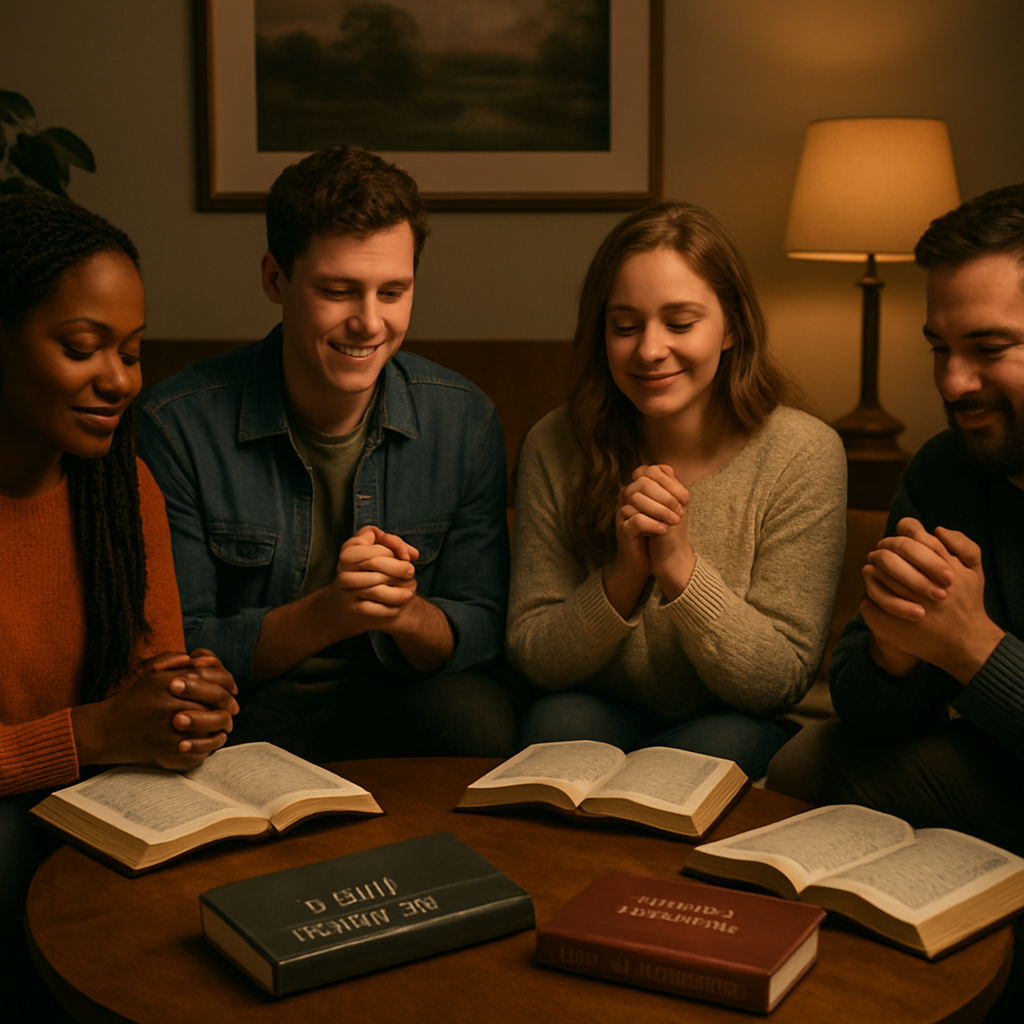
We've built a personal habit, but even the strongest solo practice can feel thin when anxiety knocks hard. That's where community steps in like a warm blanket you didn't know you needed.
Think about the last time you shared a worry with a friend and felt the weight shift. That simple act is a biblical principle—Hebrews 10:24‑25 urges us not to forsake gathering together. When we lean on others, the verse we cling to gets a louder echo.
Find a trustworthy circle
Start small. Invite one or two people who already know your faith journey—maybe a small‑group buddy, a church small‑group, or a trusted coworker who respects your spiritual walk. Let them know you’re trying a new Scripture‑based anxiety routine and ask if they'd check in once a week.
Ask yourself: Who listens without judging? Who can remind you of a verse when you’re stuck? If the answer is vague, try a church‑hosted “Anxiety Support” meetup or an online Christian forum where people post daily prayer requests.
Share your practice, not just your pain
When you meet, bring your journal page. Show the verse you’re meditating on, read the short “seal” line, and say, “This helped me today—what’s your go‑to verse?” It turns the conversation from complaint‑centered to empowerment‑centered.
One mom on a social platform wrote that after sharing her Psalm 56:3 note, her sister replied with a personal testimony, and the anxiety “felt lighter” within minutes. Stories like that illustrate how community can amplify God’s promise (a personal testimony shared online).
Create a quick‑check‑in habit
Set a recurring 10‑minute video call or coffee meet‑up every Wednesday. Keep it simple: each person names the anxiety of the week, reads their verse, and offers a short prayer. No long sermons, just honest sharing.
Tip: Use a shared Google Doc titled “Scripture Support Log.” Everyone adds the verse they used, a one‑sentence feeling, and a tiny win. Seeing a list of victories builds collective confidence.
Leverage digital groups wisely
If in‑person meet‑ups aren’t possible, join a Facebook “Christian Anxiety Support” group or a Discord channel focused on faith‑based mental health. Look for groups that post daily verses, encourage prayer requests, and moderate respectfully.
When you post, try a format like: “Verse of the day: Philippians 4:6‑7. My heart’s racing about the upcoming presentation—any prayer partners?” The response often includes a quick “I’m praying for you” plus a personal anecdote, which can be a powerful reminder that you’re not alone.
Set boundaries and stay accountable
Community is a gift, not a pressure cooker. If a group’s tone feels competitive or dismissive, thank them and step back. Your anxiety practice thrives on encouragement, not criticism.
Make a small accountability pact: each week, you’ll send a text saying, “Verse logged, feeling noted, peace received.” Your partner does the same. Over a month you’ll have a paper trail of God’s faithfulness.
Remember, seeking support isn’t a sign of weakness; it’s a biblical strategy. When the body of believers lifts each other up, the individual verses you’ve memorized become living shields.
Step 6: Consider Professional Counseling When Needed
Okay, you’ve been memorizing verses, breathing with Psalm 23, and leaning on a small community. But there comes a point when the anxiety feels heavier than any scripture can lift.
That’s the moment we whisper to ourselves, “maybe I need a professional to walk this path with me.” It’s not a sign of failure; it’s a biblical strategy—Jesus sent out his disciples with teachers, and we, too, can seek wise counsel.
1. Spot the red flags
Notice when your heart races for more than five minutes, when worry follows you into the bedroom, or when you start avoiding daily tasks. If those patterns linger for two weeks or more, write them down. Seeing the symptoms on paper makes the need for help concrete.
Does this sound familiar? Sarah, a young professional, tried to “pray it away” after a tough week, but the panic attacks kept coming. She finally noted, “I’m shaking before every meeting for a month,” and that note sparked her decision to call a counselor.
2. Find a Christian‑trained counselor
Look for someone who blends evidence‑based therapy with Scripture. A quick Google search for “Christian counseling near me” or a referral from your church’s pastoral staff can start the hunt. The counselor should be a licensed mental‑health professional who also respects your faith.
According to Desert Streams, Christian counseling offers a “holistic approach” that addresses spiritual, emotional, and physical well‑being, which can lead to more comprehensive relief from anxiety.learn more about the benefits
3. Prepare for the first session
Before you dial the therapist, jot down three things:
- The specific anxiety triggers you’ve identified.
- A favorite verse you turn to (maybe Philippians 4:6‑7).
- One question you want answered, like “How can I blend prayer with CBT?”
Bringing this list shows you’re proactive and gives the counselor a clear starting point.
In a real‑world example, Mark wrote down his “fear of failure before presentations” and the verse “Do not be afraid, for I am with you” (Isaiah 41:10). The counselor used that verse as a grounding tool during cognitive‑behavioral exercises, and Mark reported a 30% drop in heart rate after two weeks.
4. Integrate Scripture into therapy
Ask your counselor how to weave verses into homework. Many therapists encourage a “scripture‑reflection journal” where you write the verse, your prayer, and the feeling that follows. This creates a feedback loop: the therapist teaches coping skills, and the Bible reinforces hope.
Through the Valley Therapy notes that gratitude and scriptural reflection “stimulate areas in the brain related to reward and well‑being,” which can rewire anxiety pathways.read the science behind gratitude and faith
5. Evaluate progress weekly
Set a simple check‑in: every Sunday, glance at your journal and ask, “Did this week’s verse calm my nerves more than last week?” If the answer is yes, celebrate with a small reward—maybe a favorite cup of tea.
If progress stalls, be honest with your counselor. Maybe you need a different therapeutic technique (e.g., ACT instead of CBT) or a deeper dive into prayer practices.
6. Keep the larger support system alive
Professional counseling doesn’t replace community; it complements it. Share a brief win with your accountability partner—“I used Psalm 91 in my session and felt a real sense of protection.” That tiny testimony reinforces both your therapist’s work and your group’s encouragement.
Remember, seeking counseling is a courageous step toward the peace promised in Philippians 4:6‑7. It’s the practical side of faith: we trust God enough to ask for help, and we use the tools He’s given us—Scripture, prayer, and professional wisdom.
Ready to take the next move? Grab a notebook, list those red‑flag moments, and schedule a 15‑minute discovery call with a Christian counselor today. You’ll be surprised how quickly the weight lifts when you combine expert guidance with God’s Word.
FAQ
What is the first step to how to overcome anxiety with scripture?
Pick a verse that speaks directly to the specific worry you’re feeling. If your heart races before a meeting, Philippians 4:6‑7 works; if night‑time thoughts keep you up, Psalm 23:4 is a good match. Write the verse on a sticky note or set it as your phone wallpaper so it’s the first thing you see when anxiety spikes.
How often should I repeat the verse?
Treat the verse like a mini‑meditation. Aim for three repetitions in the morning, once mid‑day, and once before bed. Each time, pause, take a slow breath, and whisper the words aloud. Consistency trains your brain to associate the scripture with calm, and after a week you’ll notice the panic level dropping noticeably.
Can I combine prayer with the scriptural practice?
Absolutely. After you’ve spoken the verse, add a short, honest prayer—thank God for the moment, name the fear, and ask for peace. Keeping the prayer brief (30‑seconds) prevents it from feeling like a chore and lets the Scripture stay the anchor while the prayer adds personal connection.
What if a verse feels “goofy” or hard to remember?
It’s okay to start small. Use a phrase instead of a full verse—like “I will not be afraid” from Isaiah 41:10. Write the phrase on a wristband or inside a notebook. As you get comfortable, expand to the full passage. The key is that the wording feels natural enough to slip into your thoughts without stopping what you’re doing.
How do I track progress without getting discouraged?
Keep a simple faith journal. In one column note the verse you used, in another column write the anxiety trigger, and in a third column record the feeling after the practice (calmer, still tense, etc.). Review the page each Sunday; even tiny shifts—like a slower heart rate—show real movement and keep you motivated.
Should I involve a counselor if scripture isn’t enough?
Yes. Scripture is powerful, but professional counseling adds tools like cognitive‑behavioral techniques that complement the biblical anchor. When you bring a favorite verse into a therapy session, the therapist can weave it into evidence‑based exercises, creating a hybrid approach that respects both your faith and mental‑health needs.
What if anxiety returns despite using scripture?
Remember that anxiety isn’t a switch you flip off; it’s a habit you re‑wire. When the pressure returns, repeat the verse, add a deeper breath, and consider a quick check‑in with a trusted friend or a short devotional video. Over time the scriptural habit becomes a resilient safety net, even on the toughest days.
Can I use multiple verses together?
Sure thing—stacking verses can create a richer meditation. Pick a primary verse that tackles the core fear, then add a secondary line that reinforces hope. For example, start with Psalm 23:4 for immediate comfort, then follow with Romans 8:38‑39 to remind you that nothing can separate you from God’s love. Read them back‑to‑back during a single breathing cycle, letting each sentence flow into the next. The combination deepens focus and keeps your mind from wandering.
How do I stay motivated when progress feels slow?
Give yourself micro‑wins. After each verse session, note one tiny shift—maybe a slower heartbeat, a softer thought, or simply the fact that you didn’t scroll Instagram. Celebrate that with a small treat, like a favorite tea. Also, schedule a weekly “reset” where you review your journal and read a success story from someone who’s walked the same path. Seeing real‑world proof reminds you that the habit is paying off, even if the change feels gradual.
Conclusion
We’ve walked through how to overcome anxiety with scripture, from picking the right verse to weaving it into breath, prayer, journaling, community, and even professional help.
So, what does that look like on a real day? Imagine you’re stuck in traffic, heart pounding. You pull out a sticky note with Psalm 23:4, inhale, whisper “even though I walk through the darkest valley, I will fear no evil,” and feel the tension ease.
Quick recap
1️⃣ Choose a verse that speaks to the exact fear you’re feeling.
2️⃣ Pair it with a simple breathing rhythm.
3️⃣ Seal the moment with a brief prayer and a note in your faith journal.
4️⃣ Share a win with a trusted friend or small group.
5️⃣ When needed, bring a Christian counselor into the mix.
Does this feel doable? Absolutely—each step is small enough to fit into a coffee break, yet powerful enough to shift your nervous system.
Before you go, grab one of Charlene Murray’s e‑books—like the Scripture Writing Plan for Anxiety—to give your new habit a solid framework. A quick download can turn today’s experiment into tomorrow’s lasting peace.
Remember, the goal isn’t to erase anxiety forever; it’s to give yourself a biblical safety net you can reach for whenever the storm rolls in. Keep breathing, keep believing, and watch the peace grow.