

How to Renew Your Mind Biblically: A Step‑by‑Step Spiritual Guide
Ever feel like the same old thoughts keep looping in your head, pulling you away from the peace God promises?
You’re not alone—most of us wrestling with anxiety, doubt, or habits that just don’t line up with Scripture end up stuck in a mental rut.
But here’s the good news: the Bible actually gives us a clear, step‑by‑step way to renew our minds, and it’s more than just a feel‑good slogan.
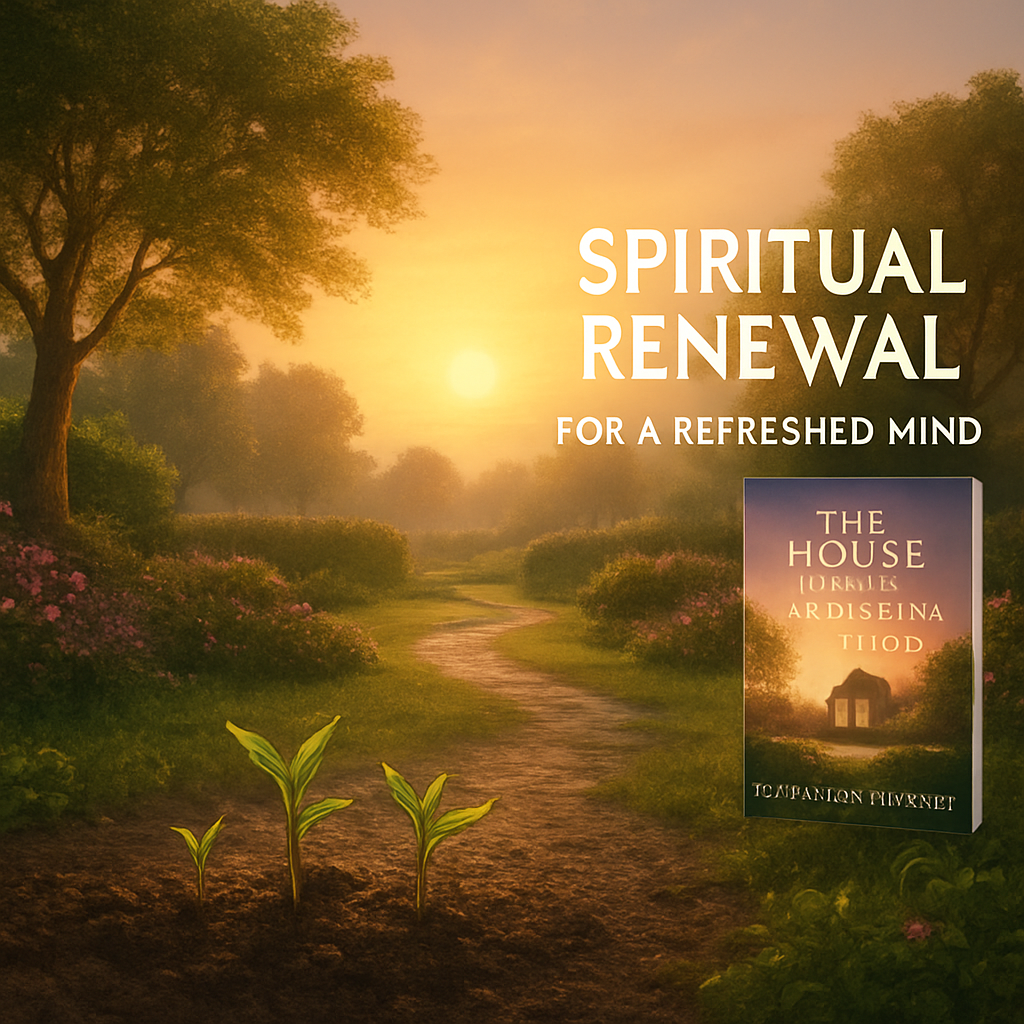
Think about it this way—your mind is like a garden. If you keep planting weeds, the good seeds never get a chance to sprout.
When we replace those weeds with God‑truth, the whole landscape changes. That’s what Romans 12:2 calls a transformation of the mind.
In our experience, starting with a daily Scripture meditation—just a verse or two, read slowly, let it settle—creates the first bite of fresh soil.
You might wonder, “How do I actually do that?” It’s simpler than you think: pick a verse that speaks to a thought pattern you want to change, write it on a sticky note, and glance at it whenever that old pattern shows up.
And then—here’s the twist—pair that verse with a short prayer that re‑frames the thought. Instead of “I’m not good enough,” you might say, “Lord, I am created in Your image, and I trust Your strength.”
That little habit rewires your brain over time. Neuroscience backs it up: repeated thoughts create neural pathways, and new, godly thoughts can carve fresh routes.
So, what’s the first step you can take right now? Grab a notebook, write down Romans 12:2, and commit to reading it aloud each morning for a week.
If you keep at it, you’ll start noticing those old mental habits losing their grip, replaced by a sense of calm that feels like God’s own breath.
And remember, you don’t have to go it alone—our community of believers shares journal prompts and prayer guides that make the process feel less like a chore and more like a daily walk with God.
TL;DR
Renewing your mind biblically means daily swapping old thoughts for Scripture, letting verses like Romans 12:2 reshape your habits and bring lasting peace.
Start now by writing a key verse on a sticky note, reading it each morning, and praying the truth over every negative thought you notice today again.
Step 1: Recognize the Need for Spiritual Renewal
Ever catch yourself scrolling through the same anxiety‑laden thoughts, wondering why the peace you read about in Scripture feels so far away?
That tug of restlessness is actually your spirit’s alarm bell, letting you know the garden of your mind needs a fresh planting season.
In this first step we’re not trying to fix everything at once; we’re simply tuning into that inner prompting and naming it, so it stops operating in the background.
So, how do you know the need is real? Look for the signs: a persistent feeling of emptiness, repeated cycles of worry, or a sense that your prayers are just words on paper.
One practical way to surface those signs is a quick “spiritual inventory.” Grab a notebook and ask yourself, “What thoughts keep popping up that leave me feeling drained?” Write them down without editing. You’ll be surprised how many of them echo the same old script.
Our e‑book The House Within Your Heart and Mind walks you through a simple self‑audit that pinpoints the mental weeds crowding your thoughts, giving you a clear map of where renewal is needed.
Once you’ve listed those patterns, pause and compare them with what the Bible says about the mind. Romans 12:2, for example, calls us to be transformed by renewing our thoughts. If a habit clashes with that promise, it’s a red flag worth investigating.
Feeling stuck? Sometimes an outside perspective helps. Rev Dr Boudreau writes extensively on the intersection of faith and personal transformation, offering fresh angles that can sharpen your awareness of spiritual stagnation. Check out his insights for a deeper dive.
And remember, spiritual renewal isn’t just a mental exercise; it’s holistic. Your body, brain, and soul are wired together. That’s where XLR8well’s proactive health programs come in, supporting the physical side of the renewal journey so you can sustain the changes you make in your mind.
Ready to see the need in action? Try this three‑minute pause right now: close your eyes, inhale slowly, and ask, “What is God inviting me to let go of today?” Notice the first thought that surfaces—that’s often the one begging for renewal.
Another quick diagnostic is the ‘spiritual temperature check.’ Ask yourself, “Am I feeling distant from God, or am I craving more of His presence?” Write down the answer; the intensity of the craving often reveals how urgent renewal is.
While the video plays, picture your mind as a field after a gentle rain—each drop representing a Scripture truth soaking into the soil, softening the hard ground.
After watching, take a moment to write one verse that speaks directly to the thought you identified. Stick that verse on your mirror, your fridge, or the back of your phone. When the old pattern reappears, the scripture will be right there to redirect you.
That’s the essence of recognizing the need: notice the discomfort, name the thought, compare it with God’s word, and plant a fresh truth. It’s a simple loop, but it’s the foundation for the next steps of biblical mind renewal.
Step 2: Immerse in Scripture for Mind Transformation
Okay, you’ve spotted the gap. Now it’s time to fill it—by actually swimming in God’s word. Think of Scripture like a fresh‑water spring for a dusty mind; the longer you soak, the clearer you feel.
First, pick a verse that hits the exact thought you’re wrestling with. Maybe it’s fear (Isaiah 26:3), anxiety (1 Peter 5:7), or that stubborn “I’m not good enough” loop. Write it on a sticky note, set it on your laptop, or even tape it to your bathroom mirror. Seeing it again and again tricks your brain into treating it as a default thought.
Step‑by‑step immersion
1. Slow‑read, don’t speed‑read. Open your Bible, read the verse aloud, then pause. Let each word settle. Ask, “What does this say about me right now?” Let the answer linger.
2. Meditative repeat. Say the verse three times, then close your eyes and picture the scene. If it’s Psalm 139:23, imagine God gently scanning your heart, highlighting the anxious corners, and smoothing them out.
3. Journal the impact. Grab a notebook and jot down any feelings, questions, or images that pop up. This isn’t a formal study note; it’s a conversation with the Holy Spirit.
4. Pair with prayer. Turn the verse into a short prayer. For Romans 12:2, you might pray, “Lord, help me not to copy the world’s thinking but to be reshaped by Your truth.”
Make it a habit, not a chore
Set a timer for five minutes in the morning—just you, a cup of coffee, and the verse. Consistency beats intensity. After a week, you’ll notice the verse nudging you before the negative thought even shows up.
And guess what? You don’t have to do it alone. A quick look at 10 Bible verses about changing your mindset gives you a ready‑made toolbox of verses that target fear, anxiety, and self‑doubt. Pick one that resonates and run with it.
That video walks you through a simple “verse‑plus‑pause” technique—watch it, then try it right after.
Now, a quick reality check: Are you just skimming, or are you really letting the words soak in? If you find yourself scrolling past the verse without feeling anything, try a different approach. Speak the verse in a different room, or write it on a card and keep it in your wallet. The goal is to meet the word where you are, not force yourself into a rigid routine.
Practical checklist
- Choose one verse that matches your current struggle.
- Read it slowly, aloud, three times.
- Pause and ask, “What does God want me to see here?”
- Write a one‑sentence prayer based on the verse.
- Repeat this mini‑session daily for at least seven days.
When you finish the week, notice any shift. Maybe the anxiety feels lighter, or the “not good enough” voice is quieter. That’s the mind being renewed—exactly what Romans 12:2 promises.
So, how to renew your mind biblically? Immerse yourself in Scripture, let it rewrite the conversation in your head, and watch the transformation happen one verse at a time.
Step 3: Practice Biblical Meditation and Prayer
Now that you’ve got a verse tucked in your pocket, it’s time to move from reading to really sitting with it. Biblical meditation isn’t about empty‑minded “zen” practices; it’s about letting God’s words reshape the way you think.
Find a quiet spot and settle in
First thing: pick a place where the world’s chatter fades—maybe a corner of your living room, a park bench, or even the kitchen table after the kids are asleep. The goal isn’t luxury; it’s consistency. A simple chair, a deep breath, and a willingness to pause are enough.
Does it feel odd at first? That’s normal. Even the apostle Paul admitted he “pressured” himself to pray (Acts 9:40). Give yourself a few minutes each morning and evening, and the habit will start to stick.
Step‑by‑step meditation loop
1. Read slowly. Open your Bible, say the verse aloud three times. Let each word settle like a stone in a river.
2. Mark the phrase that grabs you. It might be “I am fearfully and wonderfully made” or “His peace surpasses all understanding.” Highlight it mentally or with a fingertip.
3. Ask a question. “What is God saying about my anxiety right now?” or “How does this truth challenge my fear?” Write the answer in a journal.
4. Turn it into a prayer. Take the highlighted phrase and speak it back to God in your own words. Example: “Lord, help me rest in the truth that I am fearfully made, not defined by my doubts.”
5. Rest in silence. Close your eyes and sit for 2‑3 minutes, simply listening for a whisper of the Holy Spirit. No agenda—just openness.
Repeat this loop for at least seven days. The repetition trains your brain to automatically retrieve Scripture when a negative thought pops up.
Why this works
Stan DeKoven explains that biblical meditation “activates the same neural pathways that cognitive‑behavioral techniques use, but it roots them in the authority of God’s Word” — a point he makes in his recent article on renewal of the mind. Stan DeKoven’s guide to biblical meditation. In other words, you’re not just thinking positively; you’re letting divine truth overwrite the old, unhelpful patterns.
Notice the shift after a week: the anxiety that once felt like a storm may now feel like a distant breeze, and the “not good enough” voice gets quieter. That’s the mind being renewed, exactly what Romans 12:2 promises.
Practical checklist
- Choose a verse that speaks to your current struggle.
- Set a timer for 5‑7 minutes, twice a day.
- Read, highlight, question, pray, and sit in silence.
- Record any insights in a small notebook.
- Review your notes at the end of the week and notice any change.
Feeling stuck? Try moving to a different environment—maybe a garden or a quiet car ride. Changing the scenery can sharpen focus and keep the practice from feeling routine.
And remember, you don’t have to go it alone. Our community of believers often shares their meditation logs in the “Spiritual Growth” forum, offering encouragement and fresh verse ideas. A quick glance at those posts can spark new angles for your own practice.
So, what’s the next step? Grab that verse, set a timer, and give God a few minutes to speak directly into your mind. The transformation isn’t instant, but each session plants a seed that will grow into lasting peace.
Step 4: Replace Negative Thoughts with God’s Truth
We’ve already seen how to soak a verse into your mind; now it’s time to let that truth push out the lies that keep us stuck. Think of a crowded room—when someone new walks in, the chatter fades. The same thing happens when God’s Word steps into a negative thought pattern.
First, name the thought that’s weighing you down. Maybe it’s “I’m not enough” or “God has forgotten me.” Write it down exactly as it shows up, no sugar‑coating. Seeing the lie on paper makes it tangible, and that’s the first crack in its power.
Swap the lie for Scripture
Next, hunt for a verse that directly contradicts that lie. If “I’m not enough” is your enemy, Psalm 139:14 (“You have fearfully and wonderfully made me”) works like a light switch. Read the verse aloud, then say the opposite of the lie out loud: “I am wonderfully made, not inadequate.”
Why speak it? Science tells us that verbal repetition builds neural pathways. The Bible does the same thing spiritually—each spoken truth rewires the brain to listen to God instead of the enemy.
Quick swap checklist
- Write the negative thought on a sticky note.
- Find a counter‑verse that addresses that thought.
- Read the verse slowly, then state the truth in your own words.
- Repeat the truth three times, breathing each time.
- Close your eyes and picture the lie fading away like fog.
Does this feel a bit forced at first? Absolutely. The brain resists change. That’s why consistency beats intensity. Set a reminder to do this swap whenever the thought pops up—five minutes in the morning, a quick check at lunch, and a night‑time recap.

Another tool is to turn the verse into a personal affirmation. Pastor Craig Groeschel shares a list of positive, Scripture‑based affirmations that help cement the truth in daily life. You can adapt his ideas by writing, “I am strong because God’s power lives in me,” and placing that affirmation where you’ll see it most—your phone lock screen, your fridge, even your car dashboard.positive affirmations
Notice the shift after a week or two. The “not good enough” voice starts to sound distant, like a radio left in another room. That’s the mind being renewed, exactly what Romans 12:2 promises. And you’ll see the change not just in thoughts but in how you react—more patience, less anxiety, a steadier joy.
For those of us who love a little extra guidance, our e‑books on spiritual growth offer deeper dives into crafting personalized truth statements. In our experience, having a dedicated notebook for these swaps makes the practice feel like a conversation rather than a checklist.
Keep a tiny journal of each swap—date, the lie, the verse, and any feeling that changed. Reviewing the list at the end of the month reads like a testimony of how God’s truth is crowding out the old noise.
So, what’s the next move? Grab a sticky note, write the biggest lie you hear today, pair it with a verse, and speak the truth three times before you go to bed. It’s a tiny step, but it plants a seed that will grow into lasting peace.
Step 5: Live Out Renewed Thinking in Daily Choices
Okay, you've swapped a lie for a verse and you've written it down. Now the real test is: do those truths show up when you reach for coffee, when you argue with a spouse, or when the boss drops another deadline?
Living out renewed thinking is less about grand gestures and more about tiny, repeatable choices that keep God’s truth in the driver’s seat of your mind.
Pick one “anchor” truth for each routine
Think about the moments you repeat most—checking your phone, driving to work, cooking dinner. Choose a Scripture that speaks directly to the temptation in that spot. For example, Psalm 139:14 can guard the “not good enough” feeling that creeps in during a performance review.
Write that verse on a cue card, a sticky note, or set a phone reminder. When the habit triggers, the reminder pulls the verse into your thoughts before the old lie can take hold.
Turn the cue into a quick “re‑frame” habit
We’ve seen the power of a three‑time spoken truth. Add a breath pause: inhale, say the Scripture aloud, exhale, repeat the truth in your own words. It only takes 15 seconds, but it forces the brain to reroute the neural pathway.
Does this feel awkward at first? Absolutely. The mind resists change, but the consistency builds a new default.
Check‑in moments throughout the day
Set three micro‑check‑ins: morning (after you get up), midday (before lunch), and evening (right before bed). At each point, scan your journal notes from the previous steps. Ask, “Which lie tried to sneak in today? Which verse stopped it?” Write a one‑sentence victory note.
These pause points are the “mental health snacks” that keep your spirit fed.
Make the truth visible in your environment
Our experience shows that visual reminders work wonders in a busy household. Place a printed verse on the fridge, another on the bathroom mirror, and a third on your laptop lid. When you glance, the truth nudges you back on track.
And if you have kids, involve them—let them draw a picture of the verse. Their enthusiasm reinforces yours.
Use a simple decision‑filter
When a choice pops up —replying to a tense email, deciding whether to skip prayer—run a quick filter: “Does this align with this Scripture?” If the answer is no, adjust your response.
It’s a tiny mental step, but over weeks it reshapes your decision‑making rhythm.
| Daily Situation | Scripture Prompt | Action Step |
|---|---|---|
| Morning coffee | Phil 4:13 – “I can do all things through Christ…” | Recite the verse, then set a gratitude intention for the day. |
| Midday stress at work | Isaiah 26:3 – “You will keep in perfect peace…” | Take a 30‑second breath pause, speak the peace truth. |
| Evening family time | Colossians 3:14 – “Put on love…” | Share one loving affirmation with a family member. |
Want a deeper dive? Joyce Meyer breaks down how a “renewed mind” rewires neural pathways and offers a practical “think session” you can copy here. The article also reminds us that the habit of taking thoughts captive is a spiritual weapon (2 Cor 10:4‑5).
For a pastor‑level perspective on turning these habits into community practice, see the CareLeader guide on renewing minds here. It gives concrete group activities you can adapt for a small fellowship or a solo walk.
Finally, remember that renewal isn’t a finish line; it’s a daily marathon. Celebrate the tiny wins—like the moment you caught yourself saying “I am loved” instead of “I’m not enough”—those wins add up, and before you know it, your whole thought landscape looks a lot more like the garden God intended.
Step 6: Evaluate Progress and Stay Accountable
You've spent the last few weeks planting verses, swapping lies, and letting those truths shape your choices. But how do you know the garden is actually growing?
Set up a simple scorecard
Grab a notebook or a note‑taking app and create three columns: "Date," "Thought Trigger," and "Scripture Response." Each time a negative thought pops up, jot down the exact phrase that crept in, then write the verse you spoke over it. Seeing the pattern on paper turns an abstract habit into a measurable metric.
In our experience, a five‑minute nightly review of that sheet does wonders. It forces you to ask, "Did I actually replace the lie, or did I just brush it aside?" The answer becomes the data you use to adjust the next day.
Create accountability partnerships
Even the most disciplined person can slip when they're alone. Reach out to a trusted friend, a small Bible study group, or a spiritual mentor and share your scorecard once a week. Ask them to check in with a simple, "What truth helped you today?"
That quick exchange does two things: it reminds you to stay honest, and it gives you a fresh perspective on verses you might be overlooking. If your partner mentions a Scripture you haven't tried yet, add it to your rotation and see how it reshapes the conversation.
Review and adjust weekly
Every Sunday, set aside fifteen minutes to look at the whole week’s entries. Highlight any trigger that shows up more than twice—that's a signal the brain is still wired to that lie. Then choose a new verse or a different prayer phrasing to attack that specific pattern.
For example, if "I'm not good enough" kept showing up during work meetings, you might switch from Psalm 139:14 to Philippians 4:13 and pair it with a breath pause: inhale, speak the verse, exhale, declare, "I can do this through Christ." The subtle shift keeps your mind from getting stuck in the same old groove.
Use a “progress pulse” check
Ask yourself three quick questions each morning: 1) What truth am I carrying into today? 2) Which old thought am I most likely to encounter? 3) How will I respond differently? Write the answers on a sticky note and place it where you’ll see it—on your coffee maker, laptop lid, or bathroom mirror.
When you glance at that note, it acts like a mental cue card, nudging you toward the new pathway before the old one can take hold.
Celebrate tiny victories
Progress isn’t a single, dramatic event; it’s a string of small wins. Did you catch yourself saying "I am loved" instead of the usual "I'm not enough"? Did you pause before replying to a stressful email and speak a verse over the tension? Write those moments down and give yourself a quick “well done.”
Research on habit formation shows that celebrating even a micro‑success releases dopamine, which reinforces the new neural route. So a five‑second fist pump or a smile in the mirror works just as well as a big celebration.
When you stall, reset without guilt
Maybe you missed a day or two. That’s normal—our brains love the comfort of familiar patterns. Instead of beating yourself up, note the slip, identify the trigger, and recommit with a fresh verse. Think of it like pruning a plant: a few trimmed branches don’t ruin the whole garden.
Remember, the goal isn’t perfection; it’s consistent movement toward the mind Christ promises us.
So, what’s the next concrete step? Pull out that notebook, add a new column titled "Weekly Wins," and start tracking tonight. In a couple of weeks you’ll see the data speak for itself: fewer lies, more Scripture‑filled responses, and a renewed mind that feels less like a battlefield and more like a place of peace.
FAQ
What does it mean to renew my mind biblically?
Renewing your mind biblically is about swapping the old, self‑defeating stories God never wrote for the truth He revealed in Scripture. Romans 12:2 calls us to be transformed by the Holy Spirit, which practically means letting God‑filled verses become the default background noise in our thoughts. When the lie "I'm not enough" fades and the truth "I am fearfully and wonderfully made" takes its place, you start feeling the peace Jesus promised.
How can I start a daily Scripture meditation?
Pick one verse that hits a current struggle—maybe Isaiah 26:3 for anxiety or Psalm 139:14 for self‑worth. Write it on a sticky note, read it aloud slowly three times, then pause to ask, "What does God say about me right now?" Jot a quick line of what you sense in a notebook. Do this for five minutes each morning; consistency beats intensity, and the brain begins to treat the verse as a mental shortcut.
What are practical ways to replace negative thoughts with God’s truth?
First, catch the exact lie as it surfaces—write it word for word. Next, find a counter‑verse that directly contradicts that lie. Read the Scripture aloud, then restate the truth in your own words, like "I am loved, not rejected." Repeat the truth three times while breathing deeply. Over time, those spoken truths carve new neural pathways, making the biblical answer pop up automatically when the old thought tries to return.
How do I track my progress without getting discouraged?
Set up a simple three‑column scorecard: Date, Trigger (the negative thought), and Scripture Response. Each time you notice a lie, log it and note the verse you spoke over it. At the end of the week, glance back—you’ll see patterns and also the growing list of victories. Celebrate micro‑wins with a fist pump or a smile; dopamine from those tiny celebrations reinforces the new habit.
Can I use journaling to reinforce the renewal process?
Absolutely. After each meditation, write a brief reflection: what the verse revealed, any emotion that shifted, and a one‑sentence prayer. Over weeks, those entries become a personal testimony of transformation. When you reread them, you’ll notice how the same verse that once felt foreign now feels like a trusted friend guiding your thoughts.
What if I miss a day or fall back into old patterns?
Missed days happen—your brain loves familiarity. Instead of guilt, note the slip, identify the trigger, and jump back in with a fresh verse. Think of it like pruning a plant: a few trimmed branches don’t ruin the whole garden, they just shape new growth. Resetting without shame keeps the momentum moving forward rather than stalling.
How long does it usually take to notice a change?
Neuroscience shows new neural pathways need about 21‑30 repetitions to start feeling natural. In practice, many people report a shift after two weeks of consistent verse‑plus‑prayer sessions. Expect a gradual quieting of the old lie and a clearer, steadier sense of God’s truth. Keep the habit for at least a month, then evaluate the difference—you’ll likely be surprised at how much calmer your mind feels.
Conclusion
If you've stuck with the steps, you already know that how to renew your mind biblically feels like planting a garden—slow, intentional, and full of promise.
Remember the core loop: notice the lie, drop a Scripture, speak the truth three times, and breathe it into your day. Those tiny repeats are what rewire the brain, just like a muscle that gets stronger with daily reps.
So, what’s the next move? Grab a sticky note, write the verse that haunts you most, and set a reminder for morning and night. When the old thought sneaks in, let the verse be your first response.
In our experience, pairing this habit with a short journal entry—what the verse revealed and a quick prayer—turns a fleeting moment into lasting change.
And if you ever feel stuck, revisit the checklist we built together. A quick scan shows where the pattern repeats and which verse still needs a turn.
Does it feel overwhelming? Trust that the transformation is cumulative; each day adds a grain of sand to a shoreline that eventually reshapes the whole coast.
Ready to keep the momentum? Explore the e‑books on our site for deeper dives, or schedule a short counseling session to personalize your renewal plan.
Take the first step tonight. Write that verse, speak the truth, and let God’s Word settle into the corners of your mind—your renewed mind starts right now.