

Prayers for Breaking Generational Curses: A Practical How‑to Guide
Have you ever felt stuck in a cycle that just won’t budge? Maybe it’s a pattern of worry, a habit of comparison, or a feeling that something from your family’s past keeps creeping into your present.
What if the key to unlocking that space is not another book or a new routine, but a powerful practice we do every day? Prayers for breaking generational curses are that practice. They align your heart with God’s freedom.
In the last decade, many people turned to prayer as a weapon against invisible chains. Studies from the church community show a spike in people reporting peace after regular, intentional prayers focused on generational release. It’s a daily conversation that rewrites the story your ancestors wrote.
Imagine standing at the foot of a mountain that’s been there since your great‑grandparents first set foot on that land. The mountain represents every inherited fear and expectation that has taken root in your life. The prayer you offer is the rope that climbs the peak, pulling you up and out of the shadow.
So what’s the first step? Acknowledge the pattern—write it down, say it aloud, then ask God for a fresh start. You might say, “Lord, I release these patterns that have held my family hostage for generations.” That sentence is a declaration, a promise, and a prayer all in one.
Don’t worry if you feel nervous about change. Even a small, sincere prayer can spark a ripple that spreads far beyond your life. When you feel that tug of an old habit, remember: you have the power to break the chain with words that come from love and trust.
Let’s dive in and uncover the steps you can take to set your spirit free and rewrite the narrative that has been passed down for too long.
TL;DR
This guide shows how daily, intentional prayers can release generational curses, turning inherited fears into fresh, hopeful possibilities. Follow simple, faith-rooted steps, discover a practical path to reclaim your spirit, and access curated resources that deepen your connection to God and personal wellness, and lifelong growth for daily resilience today.
Step 1: Understand the Root of the Curse
Remember that first moment when you felt like the same worry kept popping up no matter what you did? That’s the echo of a generational pattern. The good news? You can start to hear it and change it by making a simple, intentional pause.
Start with a “family journal” moment. Grab a notebook or a phone app and write down every recurring fear, habit, or promise you’ve heard from parents or grandparents. Say it out loud as you jot it down—“I feel anxious when I step into new places.” Hearing the words is half the battle.
Next, dig a little deeper with Scripture. The book of Isaiah says, “I will bind up the brokenhearted” (Isaiah 1:5). Ask yourself: does this verse speak to a pattern you’re holding onto? Use verses like 2 Chronicles 7:14 or Galatians 5:1 to frame the story your family’s history has been telling. You’ll notice the same language appears in both the ancient texts and your own life.
When you have those words in hand, it’s time to connect them to a resource that expands your prayer toolkit. For example, this Powerful Prayers for Guidance and Direction in Life offers five short prayers that help you translate insight into action.
If you’re looking for deeper theological context, Rev Dr Boudreau’s writings on faith and social justice can give you a richer backdrop for why those prayers matter. You can read more about his approach here.
That short video walks you through the breathing technique that keeps your heart steady while you pray. Pause, breathe, and let the words settle.
Now, if you want to practice the prayers with someone who can guide you one‑on‑one, consider a life‑coach that specializes in spiritual alignment. Bettina Rodriguez Aguilera offers sessions that blend coaching with prayer work, and you can explore her services here.

You can also trace the language your family uses in their stories. If every family gathering turns into a “we’ve always struggled with money” narrative, that’s a cue. Write those phrases down and ask God if they still serve you. When you see them, you can consciously replace them with hopeful, faith‑centered statements.
Back to you: write the root words of your curse, ask God for release, and then use the prayers we just mapped out. That’s the first concrete move toward freedom. Tomorrow, we’ll learn how to weave those prayers into daily life so the old patterns start to crumble.
Step 2: Praying for Deliverance and Cleansing
Hey, so you’re standing on the second rung of our walk—praying for deliverance and cleansing.
The first thing to remember is that this isn’t a one‑time wish; it’s a daily conversation with God that feels like a hug you give yourself.
Imagine you’re sitting by a river that’s been dammed by old hurts. Each prayer is a lever that helps the water flow free.
So, how do you get that lever moving? Start with a simple breath: inhale hope, exhale the weight of generational fear.
When you feel that breath settle, you can begin to speak the words that will release the chain. Here’s a pattern you can tweak.
Set the Scene—Find a quiet spot where you won’t be interrupted. Put a candle on the table—its light will remind you that God is always watching.
Declare the Release—Speak like you’re telling a friend, not a textbook. “Lord, I’m calling the fear of failure out of my family’s story. I release it into your hands.”
Ask for Cleansing—Invite God to wash away the dust of past shame. “Fill my life with your peace, so the old wounds can heal.”
Visualize the Freedom—Picture the dam breaking, the river rushing, and your heart lightening with every word. That image stays with you until you feel the shift.
Commit to Action—After the prayer, write one tiny step that shows you’re moving forward. Maybe it’s calling a family member you’ve avoided or starting a new hobby.
Reflect—At the end of the day, journal a quick note: What did you feel? What was the next step? This keeps the momentum alive.
You’ll notice that prayer becomes a habit, not a chore. The more you practice, the easier the words feel, the more real the release.
Now, let’s put this into practice right away.
After the video, take a minute to breathe again. Notice how the silence feels different—lighter, less heavy.
Step 3: Building a Covenant of Protection
When you finish releasing the curse, the next thing you need is a shield that keeps the new freedom from slipping back. That’s where a covenant of protection comes in.
Think of the covenant like a prayer‑written contract. It’s a promise you make to yourself and to God that the walls you’ve built will stay up, that the doors you’ve opened won’t close again.
Start by gathering the items that feel sacred to you: a candle, a favorite scripture, maybe a small stone you’ve carved. These are your tokens of faith, the physical reminders that your commitment is real.
The first step inside the covenant is to set your intention. Say, “Lord, I bind these walls around my heart and my family so no old patterns can seep back in.” The wording matters because you’re speaking to the same God you used to release the curse.
Next, write the covenant on a piece of paper or in a journal. Keep the language simple, but make it personal: “I will remember this prayer every morning, and I will ask God to guard my thoughts, my decisions, and my actions.” That daily check‑in is the anchor that keeps the protection from fading.
Then, create a visual cue. Place the candle where you’ll see it as you start your day. Light it, breathe, and whisper the covenant. The scent and light become a subtle reminder that you’re still in that sacred space.
The covenant also needs a practical layer. List one or two habits that reinforce the protection. It could be praying before meals, or spending 10 minutes each night reviewing what went well and what you might let slip. These micro‑actions build muscle memory against the old patterns.
Share the covenant with someone you trust. A friend or family member can hold you accountable, and the shared commitment adds another layer of security. If you feel the urge to fall back into an old habit, you’ll have someone there to remind you of the covenant’s promise.
Finally, celebrate the small victories. Each time you resist a generational pattern, let your heart rejoice. Celebrate by lighting the candle again, saying a short thank‑you prayer, and noting the win in your journal.
The covenant isn’t a one‑time ritual; it’s an ongoing conversation with God. Revisit it monthly, adjust the language if needed, and keep adding new prayers that guard against new challenges.
Remember, this covenant is a living thing. The more you honor it, the stronger the shield becomes, and the more you’ll feel that old curses are nothing more than dust that the wind blows away.
Step 4: Daily Devotions and Scripture Memorization
First thing you’ll notice when you make a habit of short, focused devotions is that the prayer of breaking generational curses starts to feel like a conversation with the one who set the terms. It’s not about grand speeches; it’s about the small, honest moments you share with God each day.
Here’s how to keep that conversation alive without turning it into a chore.
Choose a Time That Feels Natural
Do you wake up with the sunrise, or do you catch a quiet window after dinner? Pick the slot that already sits in your rhythm. A five‑minute slot before breakfast or a ten‑minute pause after lunch works great. The key is consistency, not length.
Scripture as a Daily Anchor
Select a verse that speaks to the specific curse you’re releasing. For example, Isaiah 43:18‑19 reminds you that “the old has gone, the new has come.” Write that verse on a sticky note next to your coffee mug or in the corner of your phone wallpaper. Every time you see it, you’re reminded that a fresh story is unfolding.
Do you remember how simple it was when you first started? That’s the power of memorization: the verse becomes part of your breath, your thought pattern, and your response to old triggers.
Memorization in 3 Easy Steps
1. Repeat Out Loud. Say the verse to yourself three times, feeling each word. The louder you speak it, the stronger the memory.
2. Write It Down. A quick jot in your journal solidifies the memory in your brain. Write the verse, then write a line about what it means for your generational release.
3. Test Yourself. At the end of the day, close your eyes and recite the verse from memory. If you stumble, repeat the process. The brain loves repetition.
Daily Devotion Template
Morning: “Lord, I release the pattern of fear that has followed my family. In Your word, Isaiah 43:19, I hear the promise of new beginnings. Help me walk in that newness today.”
Evening: “Thank you for this day, God. I remember Isaiah 43:19 and feel the shift. If I stumble, I turn back to Your promise and keep moving forward.”
Do you think this could work for you? It’s simple, intentional, and rooted in Scripture.
| Tool | How It Helps | Tip |
|---|---|---|
| Sticky Note | Physical reminder next to your routine | Place it where you’re forced to look at it before you start your day |
| Journal | Document your progress and insights | Use a separate page for each verse to keep it organized |
| Prayer App | Set alerts for daily scripture reminders | Sync with your phone calendar to keep it visible |
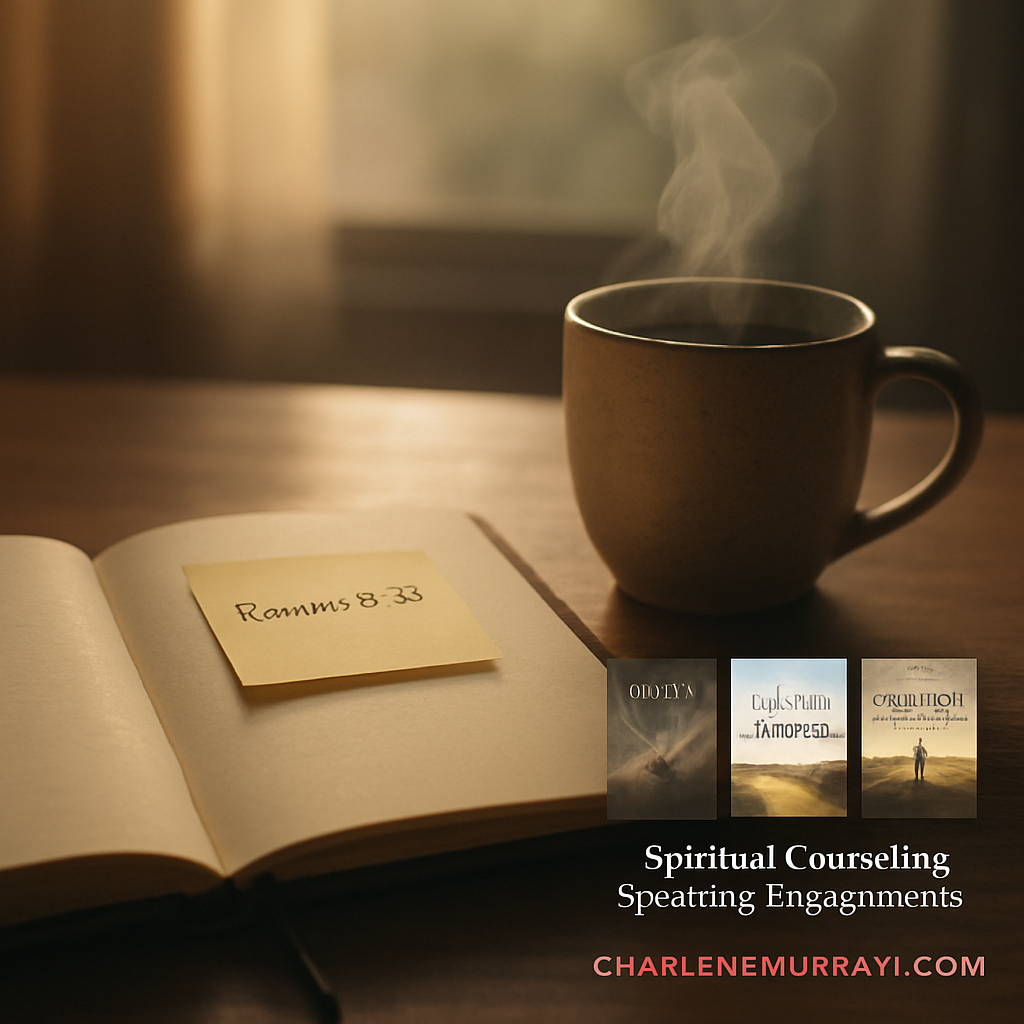
By weaving short devotions and scripture memorization into your daily flow, you’re building a shield that’s as active as the covenant you first drafted. Each moment of remembrance rewrites the narrative, one verse at a time.
Step 5: Practical Lifestyle Changes for a New Legacy
We’re at the point where prayer has cleared the path, but the next hurdle is keeping the new trail lit. That’s where lifestyle tweaks come in. Think of them as the physical footprints you leave behind to remind yourself of the promise you just made to God.
1. Anchor with a daily habit. Pick one micro‑action that signals to your brain, “This is the new story.” It could be a 10‑minute gratitude journal at breakfast, a short stretch before lunch, or setting a gentle reminder on your phone to say a quick prayer. The key is consistency—small but regular.
Does a daily habit feel doable? If the idea of a 30‑minute routine seems daunting, start with just two minutes. Over weeks, stretch it out. The science behind habit loops says that the cue, routine, and reward cycle hardens with repetition. So, even a quick breath of gratitude can cement the shift.
2. Create a visual cue. Place a token that reminds you of the new legacy. A smooth stone from a creek you visited last summer, a picture of your family tree, or a tiny candle can serve as a tangible reminder. Every time you see it, pause and breathe. This aligns your environment with the prayer you’ve already spoken.
When you set that visual, ask yourself, “What does this symbol mean to me?” The answer becomes part of your internal narrative, reinforcing the new pattern without extra effort.
3. Use Scripture as a soundtrack. We’ve already anchored with Isaiah 43:19, but let it play on repeat. Choose one verse that speaks to the legacy you’re building. Write it on a sticky note, set it as a phone wallpaper, or record a short audio clip to play as you commute. Repetition turns words into muscle memory.
Would you feel more empowered hearing that verse each morning? It’s a tiny sonic cue that keeps the promise alive, especially when the old habits start tugging at you.
4. Celebrate micro‑wins. Each time you resist an inherited pattern, give yourself a shout‑out. Write it in a journal, send a text to a friend, or light a candle. Celebrations reinforce the brain’s reward system, making the new habit feel satisfying.
Have you ever noticed how a small victory feels like a mini celebration? That’s the brain’s way of saying, “You’re doing this right.”
Research shows that trauma can even change DNA, reinforcing why breaking the cycle matters (see this research). Aleia McDaniel’s article explains how practice, work, and ritual can disrupt inherited patterns.
In short, lifestyle changes aren’t about adding more to your plate—they’re about embedding the new legacy into everyday actions. By anchoring with tiny habits, visual cues, Scripture, and celebration, you’ll keep the fresh story alive, no matter what old patterns try to creep back in.
FAQ
How can I begin a daily prayer routine that breaks generational curses?
Start with a single, clear intention—say, "I release the fear that’s lived in my family for generations." Keep it short so it fits into the first five minutes after you wake or before you sleep. If you’re new to this, write the statement on a sticky note and place it beside your alarm clock. Seeing it each morning or evening will nudge you to pause and pray.
Use your breath as a timer. Inhale for four counts, hold for one, exhale for six, and repeat. This rhythm grounds you and makes the prayer feel like a conversation rather than a task.
By committing to just one minute a day, you’re building a muscle that will grow stronger with each repetition. Over weeks, you’ll notice the old patterns slipping away simply because you’re consistently saying the words that reset the narrative.
Which Scripture verses are most effective for prayers that break generational curses?
Isaiah 43:19 is a favorite—"See, I am doing a new thing…" It reminds you that God is actively rewriting history. Galatians 3:13 speaks of Christ freeing us from the law’s curse, underscoring that this liberation comes through Him, not rituals.
Another powerful verse is 2 Corinthians 5:17: "If anyone is in Christ, they are a new creation." Use it in your morning prayer to affirm that you are already beyond the old patterns.
Pair each verse with a personal affirmation: "I am a new creation, freed from the past." Repeating this with Scripture anchors the change in both your mind and your faith.
Can I combine prayer with journaling to deepen the release?
Absolutely. After each prayer, jot down one thing you noticed—whether it’s a thought, a feeling, or a physical sensation. The act of writing solidifies the memory and lets you track progress over time.
If you struggle to write, use bullet points or even a short phrase. The goal is to create a record you can glance at during moments of doubt.
At the end of the month, review your entries. You’ll likely see patterns emerging: moments when the curse tried to re-enter and how your prayer kept it at bay.
What should I do when I feel discouraged and the prayer seems to falter?
First, remember that breakthrough is rarely linear. Acknowledge the dip and revisit your intention. Saying, "I’m still learning to let go," normalizes the process.
Next, add a short gratitude loop—thank God for the small wins. Gratitude shifts focus from what’s broken to what’s healing.
If the discouragement lingers, consider sharing it with a trusted friend or mentor. Speaking aloud often lightens the load and can bring fresh insights.
How does community support help me maintain prayers that break generational curses?
Community creates accountability. Sharing a brief prayer or a scripture you’re focusing on with a small group can reinforce your commitment.
When you see others walking the same path, their stories remind you that you’re not alone. It also opens the door to collaborative prayer, where collective faith can magnify the breakthrough.
Even a text chain or a quick group chat can serve as a daily reminder. Knowing someone else is praying for you adds a layer of protection that solo prayer sometimes lacks.
Which books or resources can guide me deeper into this practice?
Charlene Murray offers a suite of e‑books that align closely with this journey. For instance, "The Spiritual Food" provides practical prayers and meditations that feed the soul, while "Divine Releases" dives into specific prayers that release lingering burdens.
“God’s Plan for People Who Have Knowledge of Good and Bad” offers a broader theological perspective, helping you see why breaking generational curses matters beyond personal experience.
These resources are written in plain, conversational language and include step‑by‑step instructions, making them ideal companions as you weave prayer into your everyday life.
Conclusion
When you finish this guide, remember: prayer isn’t a quick fix—it’s a daily chat that rewrites a family story. Every morning you speak the release—“Lord, let this fear fall away”—you’re stitching a fresh narrative no ancestor can undo. It feels like a new promise, and each word builds that promise daily.
Next, choose a tiny habit: a five‑minute prayer before you pick up your phone, or a quick journal note of a win. These micro‑steps keep the new story alive, guard against old patterns, and turn the act of prayer into a steady, comforting rhythm. Every repetition strengthens that rhythm, making it easier to keep.
Books like "Divine Releases" or "All Sins Will Be Forgiven" give you ready‑made prayers and language that feel personal. Use their templates or craft your own; the heart you bring is what turns words into breakthrough, turning doubts into quiet confidence. In the quiet moments, you’ll feel the shift today.
So, what will your first step look like? Maybe a candle light and a short prayer in the kitchen, or a phone note that reminds you of the promise you’re making. Make it visible, repeat it daily, and watch that generational curse fade into a distant memory for your journey.