

Scriptures to Overcome Fear and Anxiety: A Faith‑Based Guide
Ever felt that tight knot in your chest right before a big decision, or the way anxiety sneaks in when you’re trying to pray?
You’re not alone. So many of us who are seeking spiritual growth wrestle with that same restless feeling, and the good news is that the Bible actually gives us clear, comforting tools.
When we talk about scriptures to overcome fear and anxiety, verses like Psalm 34:4—\"I sought the Lord, and he answered me; he delivered me from all my fears\"—and Philipp 4:6‑7, which promises peace that \"will guard your hearts and minds\", become more than just words. They become a lifeline you can cling to in the middle of a storm.
In our experience, simply reading a verse once isn’t enough. You need to let it soak in, repeat it, and pair it with a moment of stillness. Imagine opening your journal each morning, writing down Isaiah 41:10, \"Do not fear, for I am with you\", and then breathing deeply as you let that promise settle over your thoughts.
That practice turns abstract faith into a tangible habit. It’s the same principle behind our e‑books that guide you step‑by‑step through scriptural meditation, helping you replace worry with worship.
So, how do you start? Pick one verse that speaks to your current fear, memorize it, and set a reminder on your phone to recite it when anxiety spikes. Notice how the words begin to shift your mindset, grounding you in God’s presence instead of the panic.
And remember, you don’t have to do it alone. Our community of readers often shares their favorite verses in the comments, creating a supportive circle that reinforces each other’s faith.
Ready to experience that calm? Grab a copy of our \"Divine Direction\" guide and let the scriptures become your daily anchor against fear.
TL;DR
If you’re wrestling with fear or anxiety, verses like Psalm 34:4, Isaiah 41:10, and Philipp 4:6‑7 can instantly calm your heart.
Our Divine Direction e‑book shows you how to memorize, meditate on, and set reminders for these scriptures, turning worry into worship with a simple daily habit and lasting peace in every moment.
Step 1: Identify Scriptural Passages for Comfort
First thing’s first – notice the exact moment anxiety shows up. Maybe it’s that pit in your stomach before a big presentation, or the restless night when prayers feel heavy. Naming the feeling gives it shape, and that shape is where you’ll plant a verse.
Grab a notebook, your phone, or even a sticky note. Write down the emotion in plain language: "I’m scared of failing," or "I feel alone in this storm." Then ask yourself, "What does God say about this?" That question opens the door to the scriptures that speak directly to your heart.
Here’s a quick cheat‑sheet you can keep on your nightstand:
- Fear of the unknown – Isaiah 41:10
- Overwhelming worry – Philippians 4:6‑7
- Feeling abandoned – Psalm 34:4
Notice how each verse matches a specific fear? That’s the magic of scriptures to overcome fear and anxiety: they’re not generic pep talks, they’re God’s exact promise for the exact pressure you’re feeling.
Now, let’s make it stick. Choose one verse that hits home right now. Write it out three times, speak it aloud, and notice the rhythm. When you hear the words, let your breath follow the cadence – inhale on the first phrase, exhale on the second. It’s a tiny meditation that trains your brain to associate the verse with calm.
And if you’re wondering where to find a deeper list, check out our Promotion page – it walks you through a handful of comfort verses and how to turn them into daily anchors.
So far we’ve talked about picking a verse. What about making it visible all day?
Set a reminder on your phone, or use a sticky on your computer screen that reads, "Do not fear, for I am with you" (Isaiah 41:10). Each time you glance at it, the brain rewires the anxiety loop into a trust loop.
When you start to feel the anxiety spike, pause. Open the verse you chose, read it slowly, and let each word settle. You’ll notice the panic loosening its grip, replaced by a sense of presence.
Want a little extra support? Pair the verse with a gentle stretch or a sip of water. Physical movement signals your nervous system that you’re safe, while the scripture feeds your spirit.
Here’s where holistic wellness steps in. A proactive health routine can amplify the peace you find in scripture. For practical tips on nutrition, sleep, and stress‑busting habits, see XLR8well – they specialize in proactive health that complements spiritual calm.
And if you’re looking for a mental‑clarity boost that doesn’t replace prayer, Great Bite Supplements offers gentle, natural options that many of our readers find helpful alongside their devotional time.
Ready to see this in action? Below is a short video that walks through a simple breathing‑and‑verse exercise you can try right now.
Take a moment after the video to jot down the verse you felt drawn to. Keep it on your desk, in your wallet, or even as a phone wallpaper. The more often you see it, the more natural the peace becomes.
Finally, remember that this is a practice, not a perfection test. Some days the verse will feel like a lifeline; other days it might feel like background noise. Both are okay. Keep returning, keep breathing, and let God’s promise settle where anxiety used to live.
Step 2: Meditative Reading Practices
Now that you’ve got a verse that actually quiets your heart, the next question is: how do you turn that single line into a calming habit? The answer lies in meditative reading – a practice that blends slow, intentional Scripture focus with the breath you already use in prayer.
Think about the last time you read a verse in a hurry, eyes skimming like you’re checking a text message. Did it stick? Probably not. Meditative reading asks you to slow down, to let each word settle like a stone in a still pond.
Set the scene
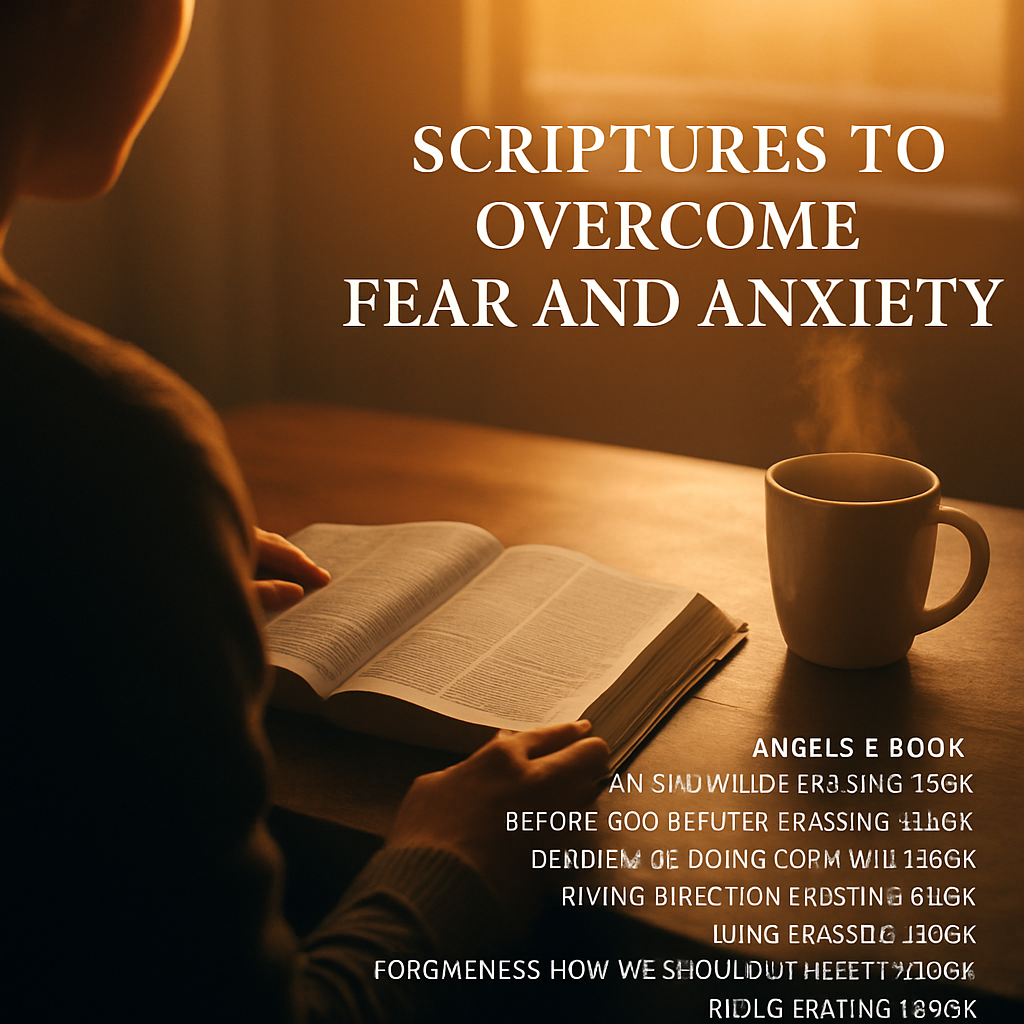
Find a quiet corner where you won’t be interrupted – maybe the kitchen table at sunrise, or a comfy armchair after dinner. Light a candle, sip a warm cup of tea, and place your Bible or e‑book on a flat surface. The goal is a simple, sensory cue that tells your brain, “It’s time to focus.”
Can you picture that? The soft glow, the faint aroma of cinnamon, the gentle hum of the house settling down. Those details anchor your mind before the words even appear.
Choose a breathing rhythm
Start with three deep breaths: inhale for a count of four, hold two, exhale for six. As you breathe, let your shoulders drop and your thoughts drift away. When you feel a little steadier, open to the verse you selected in Step 1.
Read the verse slowly, one phrase at a time. For example, with Isaiah 41:10, you might pause after “Do not fear,” let the phrase echo in your chest, then continue, “for I am with you.”
Here’s a quick pattern you can try:
- Read a phrase.
- Pause, inhale, feel the words.
- Exhale, release any tension.
- Repeat.
Notice how the breath and the Scripture start dancing together. It’s not a gimmick; research on contemplative prayer shows that coordinated breathing can lower cortisol, the stress hormone.
Engage the senses
While you read, engage another sense. Trace the letters with your fingertip, or tap the page lightly on each beat. Some readers whisper the words, letting the vibration of their voice add another layer of calm.
Imagine you’re holding a smooth stone, feeling its coolness, and each time you whisper “I am with you,” the stone seems to warm in your hand. Those tiny sensory links make the verse feel real, not just intellectual.
Journal the response
After you finish, spend a minute writing what surfaced. Did a memory pop up? Did a tension in your shoulders ease? Jot it down in a notebook or a digital note. This short reflection reinforces the neural pathway that the verse opened.
Even a single sentence like “I felt a wave of relief when I heard ‘I am with you’” can be a powerful reminder when anxiety strikes later.
Make it a habit loop
Pair your meditative reading with an existing routine. Maybe you always brew coffee at 7 a.m.; let that be the cue to open your Bible. Or use the “post‑lunch walk” as a trigger. Consistency is the secret sauce that transforms a one‑off moment into a lasting calm anchor.
So, what does the next step look? Choose a time, set your space, breathe, read, pause, and note. Do it for five minutes, then gradually extend as it feels natural.
Give yourself permission to be imperfect. Some days the mind will wander, and that’s okay – simply bring it back, like you’d guide a restless child back to a storybook.
When you look back after a week or two, you’ll notice the verse isn’t just words on a page; it’s a breathing companion that steadies you in the storm.
Ready to try? Grab a copy of the “Divine Direction” e‑book for a curated list of verses and a printable guide that walks you through each meditative step.
Step 3: Applying Scripture to Daily Life
Now that you’ve let a verse settle in your heart, the real magic begins when you bring that promise into the mess of everyday moments.
Ever notice how anxiety spikes right before a meeting, or when you hear the front‑door chime and wonder who’s next? That’s the perfect cue to pull out a scripture you’ve already memorized.
Turn cues into calm
Pick three natural triggers in your day – maybe the first sip of coffee, the traffic light turning red, or the moment you close your laptop at night. Pair each cue with a short scriptural phrase that speaks directly to the fear you feel at that moment.
For example, when the coffee brews, whisper Isaiah 41:10, “I am with you.” When the light turns red, breathe in Psalm 34:4, “He delivered me from all my fears.” At bedtime, let Philipp 4:6‑7 remind you, “His peace will guard your heart.”
Does it feel a little weird at first? That’s normal. The brain needs repetition before it starts to associate the cue with calm.
Mini‑practice: the 1‑minute “Scripture Sprint”
Set a timer for 60 seconds whenever you hit a trigger. Read the verse slowly, then close your eyes and repeat it aloud twice. Let the words vibrate in your chest. When the timer dings, note any shift – a slower breath, a softer thought.
Do this for three days in a row and you’ll start to notice a subtle but steady drop in the “panic button” response.
Journal the “real‑life” moments
Keep a tiny notebook on your nightstand or a notes app on your phone. After each sprint, jot down: the cue, the verse, and the physical sensation you experienced. Over time you’ll see patterns – maybe traffic lights are your biggest anxiety trigger, or perhaps it’s the quiet after dinner.
Seeing the data on paper turns the practice from a feeling into a measurable habit.
Integrate with your spiritual routine
Because you already have a meditative reading habit (Step 2), you can fold the sprint into the same space. After your five‑minute reading, choose one of your daily cues and do the 1‑minute sprint right then. The transition feels natural, and the scripture stays fresh in your mind.
What if you miss a cue? No worries. Simply pick the next available moment – the goal is consistency, not perfection.
Table: Quick‑Reference Cue System
| Everyday Cue | Scripture to Use | One‑Minute Action |
|---|---|---|
| Morning coffee | Isaiah 41:10 – “I am with you.” | Read aloud, inhale, repeat twice, notice breath. |
| Red traffic light | Psalm 34:4 – “He delivered me from all my fears.” | Speak softly, count to three breaths, release tension. |
| Closing laptop | Philipp 4:6‑7 – “His peace will guard your heart.” | Pause, recite, visualise a calm lake, log feeling. |
Notice how each row gives you a ready‑made script. You don’t have to think, you just act.
So, what’s the next step for you? Grab your favorite verse, identify three daily cues, and start the 1‑minute sprint tonight. Within a week you’ll likely feel a steadier pulse when the world tries to rush you.
Remember, the purpose isn’t to force peace but to invite God’s presence into the ordinary. When fear shows up, you now have a toolbox of scriptures ready to turn the storm into a gentle reminder that you’re never alone.
If you’d like a ready‑made list of verses and cue ideas, the Divine Direction e‑book walks you through dozens of scripture pairings, printable cue cards, and a simple tracking sheet. It’s designed for busy believers who want a quick, trustworthy reference without hunting online each day.
Give yourself permission to start small – even a single breath paired with a verse is progress. Over time those tiny moments add up to a resilient mindset that carries you through work deadlines, family worries, and the unknowns of tomorrow.
Step 4: Community and Support Resources
Ever notice how a single verse can feel quiet on its own, but suddenly hums with power when someone else is whispering it beside you? That’s the magic of community – it turns personal scripture into a shared lifeline.
So, what if the next step in your journey isn’t a new verse, but a new friend who walks the same path?
When you’re surrounded by believers who are also wrestling with fear, the words “scriptures to overcome fear and anxiety” become more than text; they become a living conversation. You’ll hear how Isaiah 41:10 steadied a colleague at work, or how Psalm 34:4 soothed a parent during a school drop‑off. Those stories remind you that you’re not alone, and they give you fresh angles on a familiar promise.

Find a faith community that clicks
Start by asking yourself: where do I already feel welcomed? Maybe it’s the small group at your church, a Bible study at a local coffee shop, or a fellowship that meets after Sunday service. Walk in, listen for a few minutes, and notice how the leader weaves verses like Philipp 4:6‑7 into the conversation. If the group is open to sharing personal struggles, you’ll likely find space to drop your own fears into the mix.
Don’t stress if the first group feels a bit formal. Many people discover a better fit after trying a couple of gatherings. The key is consistency – showing up weekly gives the rhythm of the verses a chance to settle into the group’s heartbeat.
Online support hubs
For those who can’t make it to a physical meet‑up, the internet offers surprisingly intimate circles. Look for private Facebook groups, Discord servers, or Reddit communities that focus on “scriptures to overcome fear and anxiety.” These spaces often have daily prompts, like “share a verse that helped you breathe through today’s stress,” and members post short video testimonies or written reflections.
When you join, set a simple rule for yourself: read one new comment each morning, then reply with a personal note. That tiny habit keeps the conversation alive without feeling overwhelming. Remember, the goal isn’t to collect likes – it’s to feel the pulse of a community that’s praying alongside you.
Create your own small group
If you can’t find a group that fits, why not start one? Grab a few friends who are also interested in spiritual growth, pick a convenient time, and decide on a short format – maybe 20 minutes of verse sharing, 10 minutes of prayer, and a quick check‑in on any anxiety spikes you noticed that day.
Use a simple agenda: (1) open with a quick breathing exercise, (2) read a chosen scripture aloud, (3) each person shares one sentence about how that verse speaks to their current fear, (4) close with a group prayer. Over time you’ll notice patterns – certain verses keep resurfacing, and the group becomes a living resource library.
- Choose a regular day and time that works for most members.
- Pick a comfortable, distraction‑free space – a living‑room rug or a quiet corner of a library.
- Assign a rotating “verse‑leader” so everyone gets a turn to guide the session.
- Keep a shared Google Doc where you log each week’s verse and any insights.
Finally, remember that community isn’t just a one‑way street. Your willingness to share a verse that helped you in a moment of panic can become the exact spark someone else needs. It’s a gentle reminder that we’re all walking this faith journey together, leaning on the same promises.
If you’re ready to dive deeper, the Divine Direction e‑book includes a printable “Community Connection Planner” that helps you map out local groups, online hubs, and your own starter kit. It’s a low‑effort tool that turns the abstract idea of “support” into a concrete action plan you can implement tonight.
Step 5: Recommended Books and Spiritual Resources
Now that you’ve built a habit of breathing, reading, and sharing verses, it’s time to give that habit some extra fuel. Think of a good book as a sturdy backpack – it holds the tools you need for the next climb up the mountain of fear.
Core e‑books for scripture‑based calm
First on the shelf is Divine Direction. This e‑book walks you through a step‑by‑step plan for picking verses, pairing them with breath, and logging insights. What we love about it is the printable “Verse Tracker” that lets you see patterns over weeks, so you know which promises your heart keeps returning to.
Another solid pick is Biblical Affirmations for Anxiety: 6 Powerful Scriptures to Calm Your Mind. It turns each promise into a short affirmation you can whisper during a stressful meeting or while you’re stuck in traffic. The format is simple: verse, affirmation, a one‑sentence reflection. It’s perfect for busy believers who need a quick mental reset.
If you like a more hands‑on workbook, check out How to Overcome Anxiety with Scripture: A Practical Step‑by‑Step Guide. It combines the meditative reading rhythm from Step 2 with daily action prompts, so you never feel stuck wondering “what do I do now?” The habit‑loop checklist at the end of each chapter makes the practice stick.
For those craving deeper spiritual nourishment, the Spiritual Food e‑book offers a collection of devotionals that pair hunger‑relieving prayers with verses like Psalm 34:4 and Isaiah 41:10. It’s a gentle reminder that feeding your soul can calm the mind just as a healthy snack steadies your blood sugar.
Lastly, the God’s Plan series (including titles like “God’s Kingdom” and “God’s Forbearance”) gives you a broader theological context for why fear shows up at all. Understanding the bigger story can dissolve the “why me?” panic that often fuels anxiety.
Spiritual audio & guided meditations
If you’re more of an auditory learner, we’ve recorded the key chapters of these e‑books as downloadable MP3s. Listening while you’re cooking, driving, or walking the dog turns everyday moments into quiet worship time. The voice‑over pauses after each verse, inviting you to inhale, exhale, and let the promise settle.
Pair the audio with a simple cue: every time the kettle whistles, press play, breathe in for four counts, and let the verse echo in your mind. Over a week you’ll notice the sound of boiling water becoming a trigger for peace, not panic.
Complementary wellness resources
Sometimes the scriptural practice needs a little extra support. Our Spiritual Counseling service offers one‑on‑one sessions where a trained counselor helps you unpack the emotions tied to specific verses. It’s not therapy in the clinical sense, but a faith‑centered conversation that keeps you grounded.
We also provide Speaking Engagements for small groups or churches that want a live workshop on “Scriptures to Overcome Fear and Anxiety.” A 45‑minute session walks participants through breath‑paired reading, shared reflection, and a quick group affirmation. It’s a great way to bring the e‑book material to life without any extra prep on your end.
So, what’s the next move? Pick one of the e‑books above, download the audio companion, and set a 5‑minute reminder on your phone tonight. Open the printable tracker, write the verse you’ll focus on, and breathe. In a week you’ll have a mini‑library, a habit loop, and a clearer sense of God’s calm washing over your anxieties.
Step 6: Ongoing Spiritual Growth Practices
So you’ve built a habit of breathing with Scripture, and you’ve already felt that calm settle in when anxiety shows up. The next question is: how do you keep that momentum alive for the long haul?
Because growth isn’t a one‑off event, it needs a little structure, a few fresh cues, and some gentle accountability. Think of it like tending a garden – you plant the seed, water it daily, then keep an eye out for weeds and new growth.
Rotate Your Verse Menu
Sticking to the same verse forever can feel a bit stale after a while. Every month, pick a new passage that speaks to the season of your life. Maybe you’re dealing with a job change – try Jeremiah 29:11. If you’re navigating a health scare, Psalm 23 can be a comforting backdrop.
Write the new verse on a sticky note, swap it with the old one, and give yourself a week to notice how the fresh words shift your mindset. This rotation keeps the practice from becoming routine and reminds you that God’s promises are abundant.
Integrate a Weekly “Reset” Session
Schedule a 10‑minute slot once a week – perhaps Sunday evenings after dinner – and treat it like a mini‑retreat. Grab your journal, open the Divine Direction e‑book, and run through the breathing‑verse loop one more time.
During this reset, add a quick reflection: What did you notice this week? Did a particular fear ease? Write a short note. Over months you’ll have a living record of how the Scriptures have reshaped your emotional landscape.
Partner Up for Accountability
Find a friend, a family member, or even a small online group who’s also working with scriptures to calm anxiety. Share one verse each week and check in on how it’s playing out in real life.
When you hear someone else’s story – maybe they’re using Isaiah 41:10 during a stressful commute – it reinforces your own practice and gives you fresh ideas for cue moments.
Blend Faith with Physical Movement
Our bodies love rhythm. Pair a short walk or gentle stretch with a verse you’re memorizing. For example, walk around the block while whispering Philipp 4:6‑7. The movement anchors the words in muscle memory, making the calm feel tangible.
Even a five‑minute yoga flow can become a prayerful pause if you place the Scripture at the start and end of the session. The key is consistency, not intensity.
Use Technology Lightly
Set a subtle phone reminder that says, “Breathe. Read.” It’s not about bombarding yourself with notifications, just a gentle nudge to pause.
If you enjoy audio, play the recorded chapter from the Divine Direction e‑book while you’re cooking or cleaning. The background voice can guide you back to the verse without stealing the moment.
Celebrate Small Wins
When you notice a panic attack lessen because you whispered Psalm 34:4 at the traffic light, give yourself credit. Maybe treat yourself to a favorite tea or a quiet moment of gratitude.
Celebration reinforces the habit loop: cue → Scripture → calm → reward. Over time the brain starts to expect the peace, making the practice almost automatic.
Keep a “Grace Journal”
Beyond the weekly reset, keep a running list of verses that have sparked a shift. Jot the date, the situation, and the emotional outcome. After a few months you’ll see patterns – perhaps “God is with me” shows up most often when you’re feeling lonely.
This journal becomes a personal treasury you can flip through during tough days, reminding you that you’ve already navigated similar storms.
Finally, remember that ongoing growth is a conversation, not a checklist. Some days you’ll feel the surge of God’s peace; other days you’ll have to lean in a little harder. Both are okay.
So, what’s the next step? Choose a new verse for next month, set that 10‑minute Sunday reset, and tell a friend you’re in this together. The practice may feel simple, but the ripple effect on your spirit can be profound.
FAQ
What are the best scriptures to overcome fear and anxiety?
When you’re looking for a quick calm, a handful of verses tend to show up over and over. Psalm 34:4 (“I sought the Lord, and he answered…”) reminds us that God delivers us from fear. Isaiah 41:10 (“Do not fear, for I am with you…”) adds a personal promise of presence. Philippians 4:6‑7 promises a peace that “will guard your heart and mind.” Most readers find that rotating these three gives a solid foundation for any stressful moment.
How can I remember a verse the instant panic hits?
Think of a cue you already have – the coffee machine, a traffic light, the moment you close your laptop. Stick a tiny note with the verse right next to the cue, or program a phone reminder that flashes the text. When the trigger pops, the visual or ping nudges you to breathe, whisper the line, and let the words settle. It’s a tiny habit loop that becomes automatic after a week or two of practice.
Do I need a specific Bible translation for these verses?
Not really. The power lives in the promise, not the font. Many people read a verse in two translations – say, the NIV and the ESV – to catch subtle nuances. If a word feels stiff, switch it for a more conversational version; the meaning stays the same. The key is that the language feels personal enough for you to repeat it without stumbling.
Can I use these verses if I’m not a regular church‑goer?
Absolutely. Scripture isn’t reserved for Sunday‑school chairs; it’s a toolbox for anyone seeking calm. You can read the verses on a coffee‑break app, write them on a wristband, or even whisper them while you’re jogging. The focus is on the promise of God’s presence, which works whether you’re in a pew or a park bench.
How often should I practice scriptural meditation?
Start with five minutes in the morning – open your Bible, read the verse slowly, inhale, pause, exhale. Once you’re comfortable, add a quick “reset” on Sundays: ten minutes of breathing, reading, and jotting any shift you notice. Consistency beats length; a daily five‑minute habit builds a neural pathway that makes the peace feel almost reflexive over a few weeks.
What if I don’t feel any peace right away?
That’s normal. The brain needs repetition to release dopamine and lower cortisol, so the first few tries might feel like talking to a wall. Keep the practice gentle – no forcing, just noticing. After a handful of sessions, many report a subtle easing of tension. Trust the process, and remember that even a small breath‑paired verse is planting a seed that will grow with time.
Is there a way to track my progress?
Grab a simple notebook or use the “Grace Journal” idea we mentioned earlier. Write the date, the cue, the verse, and a one‑sentence note about how your body felt. Over weeks you’ll spot patterns – maybe traffic lights trigger the biggest spikes, or bedtime brings the deepest calm. Some readers even use the Verse Tracker in the Divine Direction e‑book to visualize which promises are showing up most often.
Conclusion
We've walked through how a simple breath‑paired verse can become a calm anchor when fear knocks.
So, what does that look like day‑to‑day? You pick a cue—maybe the coffee maker humming—and whisper a line like Isaiah 41:10. You inhale, let the promise settle, then exhale the worry.
In our experience, the tiny habit loop you build over a week starts to feel almost reflexive. By the end of the month, those same verses are less “words on a page” and more a gentle reminder that you're not alone.
Remember, the goal isn’t to force peace; it's to invite God’s presence into the ordinary moments that usually trigger anxiety.
Want a ready‑made toolkit? The Divine Direction e‑book we offer walks you through choosing verses, tracking shifts, and even printable cue cards—everything designed for individuals seeking spiritual growth and wellness.
Take one actionable step right now: write down your favorite verse on a sticky note, place it where you start your day, and pair it with three deep breaths. Keep that note for a week and notice any subtle change.
If that tiny experiment brings a whisper of calm, you’ve just added a powerful resource to your “scriptures to overcome fear and anxiety” toolbox. Keep breathing, keep believing, and let the practice grow.