
Understanding the Types of Angels in the Bible: A Detailed Listicle
Ever found yourself flipping through Scripture and wondering why the Bible talks about angels in so many different ways? You’re not alone – that moment of curiosity feels like a gentle nudge, saying, "Hey, there’s a whole heavenly hierarchy worth exploring."
In the next few minutes, let’s unpack the main types of angels in the bible, from the radiant messengers who delivered God’s words to the fierce warriors guarding divine plans. Think of it as a coffee‑table chat about heavenly helpers, not a textbook lecture.
First up, the classic "angel" – often just called a messenger. These are the ones who appeared to Mary, to the shepherds, and even to the apostle Peter. They show up in everyday moments, reminding us that divine guidance can arrive in the most ordinary places.
Then there are the archangels, the senior officers of the heavenly host. Michael, Gabriel, and sometimes Raphael are the names that jump out. They’re the strategic thinkers and protectors, the ones who wage spiritual battles on our behalf. If you’ve ever felt a surge of courage during a tough decision, you might picture an archangel whispering, "You’ve got this."
Ever heard of the seraphim? These six‑winged beings hover around God’s throne, burning with pure love and holiness. Their presence reminds us that worship can be a fiery, all‑consuming experience – a feeling many of us chase in personal prayer.
Don’t forget the cherubim, the guardians of sacred spaces. Picture the cherubim placed at the Garden of Eden’s entrance, keeping the way to the Tree of Life secure. They symbolize protection, a theme that resonates with anyone seeking spiritual safety in a chaotic world.
Lastly, the fallen angels – once heavenly, now rebels. Their story offers a sobering look at pride and its consequences, a narrative that can help us understand personal setbacks and the path to redemption.
As we dive deeper, you’ll see how each type reflects a facet of our own spiritual journey. And if you’re looking for a deeper dive, Charlene Murray’s e‑book collection, like "Angels: Messengers, Warriors, and Watchers of the Divine," provides rich insight that bridges biblical truth with everyday life.
Ready to explore how these heavenly beings can inspire your own walk with God? Let’s keep going and discover practical ways to recognize their influence in the moments that matter most.
TL;DR
In this guide we break down the main types of angels in the bible—messenger angels, archangels, seraphim, cherubim, and fallen angels—showing how each class can inspire your spiritual growth. Grab Charlene Murray’s e‑books for deeper insight and practical steps to recognize their influence in everyday moments and bring more peace.
1. Seraphim – The Burning Ones
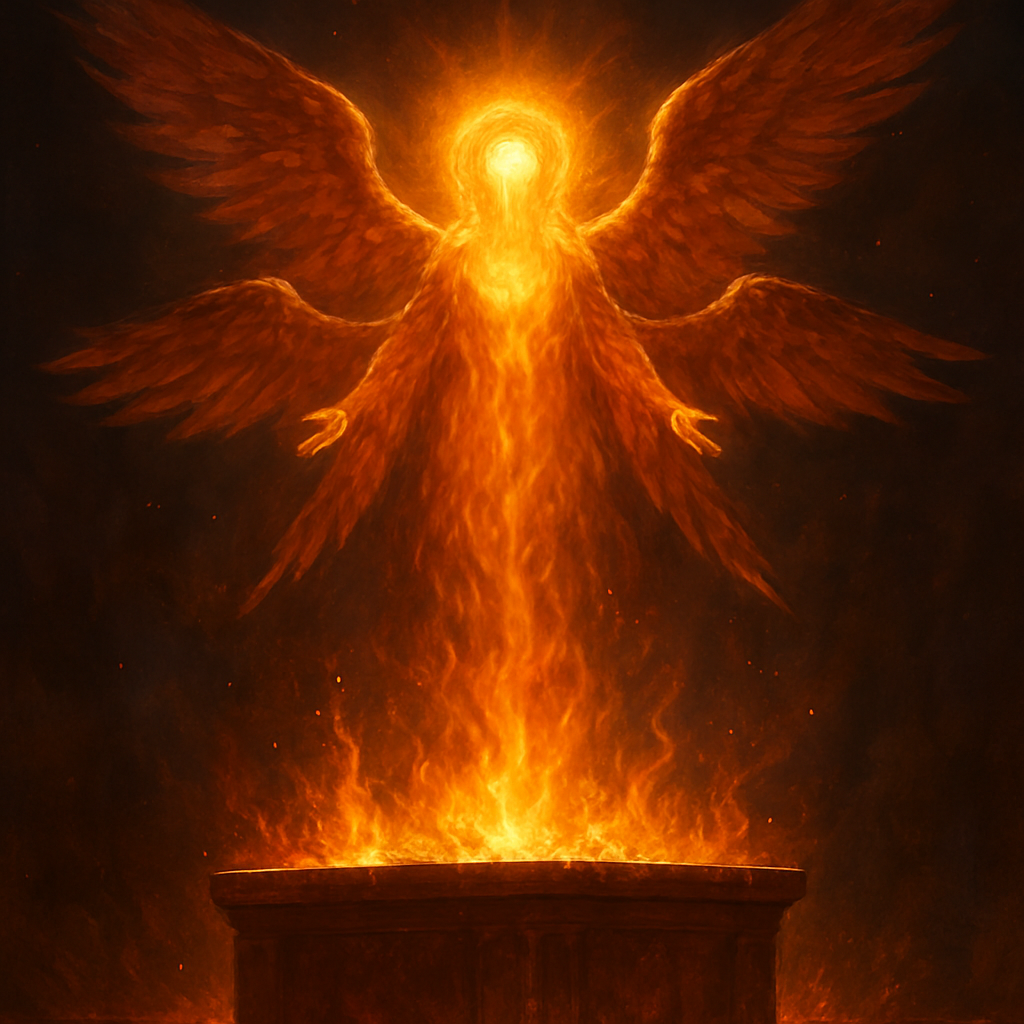
When you picture the throne room of God, what’s the first image that pops into your mind? For many it’s a chorus of shining beings, but the seraphim stand out – six‑winged, fire‑kissed, and forever singing “Holy, holy, holy.”
Those fiery creatures aren’t just decorative; they embody the raw, unfiltered love that burns at the center of worship. Think about the last time you felt a prayer rise so intensely it seemed to set your heart aflame. That’s the seraphim vibe in human form.
What makes the seraphim unique?
First, the six wings: two to cover their faces (humility before the divine), two to cover their feet (reverence for the holy ground), and two for flight (ready to swoop in wherever God’s presence is needed). It’s a visual reminder that worship involves humility, reverence, and a willingness to move.
Second, the burning aspect. In Isaiah 6, the prophet sees a seraph call one of its own “to take a live coal from the altar and touch it to his lips.” That coal cleanses Isaiah’s sin, but it also illustrates how the seraph’s fire purifies and ignites a deeper love for God.
How the seraphim speak to us today
For anyone on a spiritual growth journey, the seraphim can be a template for passionate worship. When you’re stuck in a routine prayer, imagine the seraph’s flame licking your words, turning them into a fragrant offering.
We often ask, “How do I keep my worship fresh?” The answer might be as simple as adding a visual cue – a candle, a piece of art depicting the seraphim, or even a short meditation on fire. Those small prompts can rekindle that holy heat.
And here’s a practical tip: set aside five minutes each morning to stare at a flame (real or virtual). Let the warmth remind you that worship isn’t a chore; it’s a fire that refines.
Notice how the video just played through the story of Isaiah’s encounter. It’s a quick reminder that the seraphim aren’t distant mythology; they’re an invitation to experience God’s holiness in a tangible way.
Bringing the seraphim into daily life
1. **Visual reminder** – place a small artwork of a seraph or a candle on your nightstand.
2. **Breath prayer** – inhale as you picture the flame, exhale as you whisper “Holy, holy, holy.”
3. **Journaling** – write down moments when you felt that holy heat; later, read them to rekindle the feeling.
When you practice these steps, you’re essentially inviting the seraphim’s fire into your own heart. It’s not about grand gestures; it’s about the tiny, consistent sparks that add up to a blazing devotion.
Lastly, remember that the seraphim’s purpose is to point us toward God’s throne, not to stay in the spotlight themselves. Their burning love is a mirror, reflecting back the love we’re called to nurture within.
So, the next time you feel your prayer life getting lukewarm, ask yourself: “What would a seraph do?” Then light that inner fire and let it guide you back to the throne.
2. Cherubim – Guardians of God’s Glory
Ever felt that knot in your chest when you think about protection—like when a loved one stands watch over you in a crowded airport? That instinctive sense of safety mirrors what the Bible says about cherubim, the divine gate‑keepers who guard God’s most holy places.
Here’s why these winged sentinels matter for anyone walking the path of spiritual growth. They’re not just ancient symbols; they’re a blueprint for setting up personal boundaries that keep you from wandering into spiritual danger.
1. The four‑face, four‑wing picture
Ezekiel’s vision reads like a cosmic kaleidoscope: each cherub has a human face, a lion’s roar, an ox’s steadiness, and an eagle’s soaring view—all under four wings. The wings touch one another, creating a seamless shield around the throne (see a detailed look at cherubim descriptions).
Think of it as a multi‑camera security system. One angle sees love (human), another sees courage (lion), a third feels strength (ox), and the fourth spots vision (eagle). When you let those four “faces” inform your decisions, you get a fuller picture of what God is nudging you toward.
2. Eyes everywhere – divine awareness
The text says the cherubim’s bodies, wings, and even the wheels beside them are “full of eyes.” That isn’t just poetic flair; it reminds us that God’s protection is all‑seeing. In everyday life, that translates to cultivating awareness—checking in with your heart, mind, and spirit before you step into a risky situation.
Try a quick habit: before a big decision, pause and ask, “What would the lion, the ox, the eagle, and the human inside me say?” You’ll notice gaps you’d otherwise miss.
3. The flaming sword—guarding the Tree of Life
Genesis places cherubim with a flaming sword at the entrance to Eden, turning every direction. It’s a vivid reminder that protection sometimes feels uncomfortable—like a hot sword humming in the air.
When God says “no,” it’s not a punitive wall; it’s a safeguard that keeps you from walking into spiritual burnout or relational toxicity. Embrace that “flame” as a sign you’re being kept safe, not rejected.
4. Practical steps to “cherub‑guard” your life
- Identify your sacred spaces. Write down the places—physical or mental—where you feel most vulnerable. Those are your modern Eden gates.
- Set up a four‑face checkpoint. Before entering a risky conversation or project, pause and mentally run through the four perspectives (human, lion, ox, eagle). If one feels off, reconsider.
- Install “eyes.” Keep a journal or a trusted friend who can give you honest feedback. Their observations become the eyes you lack.
- Respect the flame. When you sense a gut‑level “stop,” treat it like the flaming sword—step back, breathe, and re‑evaluate.
These habits take the ancient imagery and make it actionable for the everyday believer seeking peace and purpose.
5. How cherubim shape our spiritual journey
When you start seeing yourself as a guardian of your own heart, you stop relying on external validation and begin trusting God’s built‑in security system. The cherubim remind us that protection isn’t passive; it’s active, multi‑dimensional, and lovingly vigilant.
In our experience working with people who crave deeper spiritual wellness, the “cherub‑check” often becomes the turning point where anxiety gives way to confidence. It’s not a magic formula, but a practical framework rooted in biblical truth.
So, the next time you feel a little lost or exposed, picture those four‑faced, eye‑filled beings hovering over your life. Let their presence inspire you to set healthier boundaries, stay aware, and honor the divine guardrails God has placed.
3. Archangels – Leaders of the Heavenly Host
Ever caught yourself wondering why certain decisions feel like a divine nudge, as if someone powerful is whispering “go for it” or “step back”? That’s the vibe of the archangels – the senior officers in the heavenly hierarchy. They’re not just lofty characters in Scripture; they’re practical role models for anyone looking for direction, courage, or healing.
1. Michael – The Courage‑Keeper
Michael shows up in Revelation as the warrior who leads the charge against the forces of darkness. When you feel that gut‑level fear before a big presentation or a tough conversation, picture Michael’s steady confidence. He reminds us to stand firm, not because we’re fearless, but because we trust God’s protection.
Practical tip: before you walk into that meeting, take a “Michael pause.” Breathe, say a quick prayer for strength, and visualize a shield of light around you. It’s a tiny ritual, but many of our readers tell us it turns anxiety into focus.
2. Gabriel – The Messenger of Clarity
Gabriel delivered the news to Mary and to Zechariah. He’s the angel who brings clarity when the story feels murky. If you’ve ever stared at a confusing life decision and felt stuck, ask yourself, “What would Gabriel say?” Often the answer is a simple “yes” or “no” that cuts through the noise.
Try this: write down the question that’s weighing on you, then read it aloud as if you were speaking to Gabriel. The act of vocalizing can shift the mental fog and bring the answer you need.
3. Raphael – The Healer’s Hand
Raphael appears in Tobit, guiding the young man and healing his father’s blindness. He represents divine health—both physical and emotional. When you’re battling burnout, grief, or a lingering hurt, Raphael invites you to seek restoration, not just relief.
One habit our community finds helpful is the “Raphael reset.” Set aside five minutes each evening, close your eyes, and imagine a warm light touching the part of you that feels broken. Then, write down one small action you’ll take tomorrow to nurture that area—maybe a short walk, a prayer, or a call to a friend.
Why Archangels Matter for Spiritual Growth
Each archangel models a different leadership quality. Michael teaches boldness, Gabriel offers discernment, and Raphael gives compassion. By aligning with their strengths, you create a personal “angelic toolkit” that makes everyday challenges feel less like battles and more like guided journeys.
And here’s a gentle reminder: you don’t have to master all three at once. Pick one that resonates with your current season and practice the tip we just shared. Over time, the other qualities will surface naturally.
4. Uriel (and the “unsung” archangels)
While Michael, Gabriel, and Raphael get the spotlight, tradition also mentions Uriel—the “light of God.” He’s the one who brings insight into hidden truths. If you’re wrestling with a decision that feels opaque, ask for “Uriel wisdom.” Often that means digging a little deeper in Scripture or journaling until a new perspective emerges.
Quick exercise: find a verse that speaks to your situation, write it in the margin, and let its light guide your next step. It’s a low‑tech but powerful way to tap into that divine illumination.
5. Putting the Archangels into Daily Life
So, how do you make these heavenly leaders part of your routine without feeling like you’re starring in an epic movie?
- Morning check‑in. Choose one archangel’s quality to focus on. “Today I’m walking in Michael’s confidence.”
- Mid‑day reminder. Set a phone alarm titled “Gabriel” to prompt a quick breath and a question: “What’s the clear answer here?”
- Evening reflection. Journal three ways Raphael’s healing showed up, even in tiny moments.
When you consistently practice these micro‑habits, the archangels shift from distant myth to everyday mentors. That’s the real power behind the “types of angels in the bible”—they’re not just stories; they’re tools for living.
Need more depth? Charlene Murray’s e‑book collection walks you through each angelic class with Scripture‑backed reflections and practical worksheets. It’s a handy companion for anyone wanting to turn heavenly insight into real‑world growth.
4. Thrones, Dominions, and Virtues – The Orders of Authority
When you get past the messenger angels and the archangels, the next tier feels like a backstage crew running the divine theater. The Thrones, Dominions, and Virtues are three of the nine “orders of authority” that give the heavenly hierarchy its shape.
1. Thrones – The Seat of Divine Justice
Picture a throne room where every decision is weighed with perfect fairness. In Scripture, the “thrones” are described as angelic beings who embody God’s judgment and order. They’re not just lofty symbols; they model how we can bring calm authority into our daily choices.
Practical tip: when you face a tough decision, try a “throne pause.” Sit upright, take a deep breath, and ask yourself what the most just outcome looks like—not what feels easiest. Write that answer down and let it guide your next move.
2. Dominions – The Governors of Heaven’s Activities
Dominions are like celestial managers, overseeing the flow of God’s will from the highest realms down to the earth. They keep the heavenly orchestra in sync, making sure each “instrument” plays its part.
For us, the Dominion principle translates into “big‑picture stewardship.” Before you start a new project, step back and ask: how does this fit into the larger story God is writing for my life? A quick journal entry mapping the project to a long‑term goal can keep you aligned with that divine oversight.
3. Virtues – The Energizers of Spiritual Power
The Virtues are the spark that turns divine intention into action. The name itself hints at “strength” or “power” (from the Latin “virtus”). They help channel God’s energy into miracles, healing, and bold moves.
Try a “virtue burst” during your day: pick a moment—maybe a coffee break—and consciously breathe in confidence, then exhale any doubt. Notice how that tiny shift can lift your mood and give you a sliver of that heavenly vigor.
So, how do these three orders actually show up in the life of someone seeking spiritual growth? Here’s a quick checklist you can run through each week:
- Throne check: Identify one decision you’re postponing. Apply the throne pause and record the outcome.
- Dominion alignment: Map a current task to a long‑term spiritual goal. Note any gaps and adjust.
- Virtue activation: Choose a daily habit (prayer, stretch, gratitude) and infuse it with a “virtue burst” of confidence.
Notice how the same pattern repeats: pause, align, energize. That’s the rhythm the orders of authority teach us—order, oversight, and power working together.
And if you’re looking for a deeper dive, Charlene Murray’s e‑book collection walks through each angelic class with Scripture‑backed reflections and practical worksheets. It’s a handy companion for anyone wanting to turn heavenly insight into real‑world growth.

Remember, these orders aren’t meant to be abstract theology you read once and forget. They’re practical lenses you can apply right now, whether you’re negotiating a contract, comforting a friend, or simply choosing what to watch on TV. The next time you feel stuck, ask yourself: which order is calling me to act?
Give one of the checklist items a try today. You might be surprised at how a tiny shift in perspective—guided by a throne, a dominion, or a virtue—can bring a fresh sense of direction and peace.
5. Angels, Watchers, and Other Classes – A Comparative Overview
When you first hear the word “angel” you probably picture a bright messenger with a trumpet. But the Bible actually splits the heavenly host into several overlapping families – angels, watchers, and a handful of other classes that work behind the scenes. Let’s break them down so you can spot which one is nudging you today.
Messenger Angels – The Everyday Helpers
These are the angels who show up in the story of Mary, the shepherds, or the man in the field who heard a voice. Their job is plain‑spoken: deliver God’s word and protect the moment. In our own lives, you might notice a sudden peace before a difficult conversation – that could be a messenger angel giving you a quiet cue.
Practical tip: when you feel that calm whisper, pause, thank God, and write down the specific decision you were about to make. You’ll start seeing a pattern of divine prompts.
Watchers – The Heavenly Observers
Watchers appear in the Book of Daniel and in the apocryphal Book of Enoch as angels assigned to monitor the earth’s moral climate. They don’t intervene directly; they report what they see to the higher courts (see David Hernandez Ministries for a deep dive on the distinction between demons and fallen angels, which touches on the watcher role).
Real‑world example: you notice a friend repeatedly slipping into the same bad habit. A watcher‑type angel might be quietly recording that pattern, preparing a future divine correction. To cooperate, keep a journal of the habit and pray for wisdom – you’re essentially providing the “report” they’re gathering.
Other Classes – Thrones, Dominions, Virtues (and the “Watchers” of the higher courts)
These are the orders of authority we explored earlier. Thrones bring justice, Dominions manage the flow of God’s will, and Virtues spark power. They’re less visible but influence every decision you make, from how you prioritize work to the way you extend grace.
Actionable step: pick one order each week. For “Thrones,” write a “justice journal” where you record moments you chose fairness over convenience. For “Dominions,” map a current project to a larger life purpose. For “Virtues,” practice a short “confidence burst” before a stressful task.
Quick Comparison Table
| Class | Primary Role | Typical Biblical Example |
|---|---|---|
| Messenger Angels | Deliver God’s messages & provide immediate protection | Gabriel announcing Jesus’ birth (Luke 1) |
| Watchers | Observe human behavior, report to higher courts | Angels who “watched” the earth in Daniel 4 |
| Higher Orders (Thrones, Dominions, Virtues) | Administer justice, govern divine flow, energize action | Thrones as judges (Colossians 1:16), Dominions directing missions (Eph 1:21) |
Notice how each class overlaps. A messenger might also be a virtue in disguise when it fuels your confidence, and a watcher can become a throne‑like judge when you apply its observations.
Want to dig deeper into how these categories play out in daily life? Our Angels: Messengers, Warriors, and Watchers e‑book offers worksheets that map each class to a personal growth habit.
And if you’re looking for a tangible reminder of gratitude for these unseen helpers, consider a piece of art that sparks thankfulness. Gratitude Studios creates landscape paintings that can sit on your desk as a visual cue to pause and recognize the divine presence.
Bottom line: you don’t need a theology degree to work with these heavenly teams. Start with a simple habit – a journal note, a prayer pause, or a “virtue burst” – and watch how the different classes begin to surface in your decisions, relationships, and inner peace.
Conclusion
We've taken a quick tour through the different types of angels in the bible, from the fiery seraphim to the guardian cherubim, the strategic archangels, and the behind‑the‑scenes orders of thrones, dominions and virtues.
What sticks with me is how each class mirrors a habit we can practice—watching, judging, protecting, or energizing our own walk with God.
So, what’s the next step? Pick one angelic class that resonates with where you are today and try the simple habit we mentioned: a “throne pause” for fairness, a “virtue burst” for confidence, or a “cherub‑guard” journal for boundaries.
When you do that, you’ll notice the invisible team shifting the conversation in your life, just like the heavenly helpers we’ve explored.
And remember, the journey doesn’t end here. Our e‑book collection dives deeper into each type, offering worksheets that turn ancient symbolism into everyday growth.
Give yourself a few minutes tonight to write down which angelic class you’ll work with tomorrow—then watch how the corresponding habit starts to show up.
In the end, the types of angels in the bible aren’t distant myths; they’re practical lenses that help you navigate decisions, relationships, and inner peace.
Keep this rhythm going, and you’ll find the divine hierarchy becoming a trusted toolkit for everyday growth.
FAQ
What are the main types of angels mentioned in the bible?
Broadly speaking, the Bible groups heavenly beings into five familiar classes: messenger angels who deliver God’s word, archangels like Michael and Gabriel who lead and protect, fiery seraphim who worship around God’s throne, guardian cherubim who watch over holy places, and the higher orders—thrones, dominions, and virtues—that administer justice, oversee divine activity, and energize spiritual power.
Each class reflects a different facet of how God interacts with creation, and recognizing those facets can help you see God’s guidance in everyday moments.
How do seraphim differ from cherubim?
Seraphim are the “burning ones” described in Isaiah 6; they have six wings, chant “holy, holy, holy,” and focus on worship and purification. Cherubim, first seen guarding Eden, have four faces and wings, and their main job is protecting sacred spaces. Think of seraphim as the fire that refines your heart, while cherubim act like a security system keeping your spiritual “door” closed to harmful influences.
Both classes point to different ways God cares, so when you notice a sudden urge to purify a habit, ask yourself if a seraphim whisper is at work, or if a cherubim guard is nudging you to set a boundary. Either way, you’re tapping into biblical wisdom.
Can I recognize an archangel’s influence in my daily life?
Absolutely. When you feel a sudden surge of courage before a tough decision, that’s a Michael‑type moment. A crystal‑clear sense of direction after a prayer can be Gabriel‑like, and a soothing wave of healing after a setback often mirrors Raphael’s touch.
To tap into that, pause, name the quality you’re experiencing, and thank God for the “angelic” help—this reinforces the habit of seeing divine partnership.
What practical habits can I use to work with the throne angels?
The “throne pause” is a simple ritual: when a choice feels heavy, sit upright, breathe deeply, and ask, “What would a perfectly just decision look like?” Write the answer in a notebook, then let it guide your next step.
This habit mirrors the throne angels’ role in dispensing divine justice and helps you move from indecision to confident action.
Why do fallen angels matter for my spiritual growth?
Fallen angels illustrate the danger of pride and rebellion. By studying their story, you become more aware of subtle temptations that can derail your walk with God.
Use the lesson as a “warning radar”: when you notice an attitude of self‑importance or a desire to “go your own way,” pause, confess, and realign with God’s humility.
How do the orders of virtues, dominions, and thrones work together?
Think of them as a three‑step engine. Virtues provide the power—confidence, strength, boldness. Dominions channel that power into the right direction, keeping your goals aligned with God’s purpose. Thrones then apply divine justice, ensuring the outcome is fair and lasting.
In practice, you might start a day with a “virtue burst” of confidence, map your tasks to a larger purpose (dominions), and finish with a quick “throne check” to see if your actions were just.
Where can I find reliable resources to study the types of angels further?
Charlene Murray’s e‑book collection offers deep dives on each angelic class, complete with Scripture‑backed reflections and worksheets you can use right away. The “Angels: Messengers, Warriors, and Watchers” volume walks you through practical habits linked to each type.
Pair the reading with a personal journal, and you’ll start seeing how the heavenly hierarchy becomes a toolkit for everyday growth.
Additional Resources
After wandering through the seraphim, cherubim, archangels and the higher orders, you might be thinking, “Where do I go from here?” The good news is that the journey doesn’t end with a blog post—you can keep digging into the types of angels in the bible with a few trusted tools.
Charlene Murray’s e‑book collection
Our library includes “Angels: Messengers, Warriors, and Watchers,” a deep‑dive that matches each angelic class with practical reflections and worksheet pages. If you’re curious about the fallen side of the story, “Fallen Angels – Judgment” walks you through biblical warnings and offers a step‑by‑step repentance plan. “God’s Original Plan” and “Divine Direction” give you a broader view of how the heavenly hierarchy fits into everyday decisions.
Journaling and study aids
Grab a simple notebook and use the prompts at the end of each chapter to record what the seraphim’s fire, the cherubim’s guard, or the virtues’ power look like in your life. Pair the notes with a weekly prayer time and you’ll see patterns that otherwise stay hidden.
Community and ongoing teaching
Signing up for our free newsletter brings a short devotional straight to your inbox every Monday, each one highlighting a different angelic class and a quick action you can try. Many readers also join a virtual study group where we discuss a chapter, share breakthroughs, and pray together.
So, pick one of these resources—whether it’s an e‑book, a journal habit, or the newsletter and give it a try this week. You’ll find the types of angels in the bible becoming real companions on your spiritual walk.