

Why Does God Allow Suffering Bible Verses: What Scripture Says
If you’ve ever stared at a broken window, a lost pet, or a shattered dream and wondered why God lets pain sneak in, you’re not alone. It’s a question that has haunted believers for centuries, and the Bible gives us a handful of verses that feel like a map through a maze.
Consider the story of Job—his faith was unshaken even when everything he held dear collapsed. In James 1:2‑4 the text says, “consider it pure joy…you will experience the same trials” and reminds us that suffering isn’t a punishment but a training ground.
But the truth is, the Scriptures don’t hand us a tidy, all‑the‑time answer. They speak in stories, analogies, and sometimes in plain, hard‑to‑understand metaphors. That’s why many of us turn to deeper study or a good guide to help untangle the threads.
For those of you who want a clear, verse‑by‑verse roadmap, the e‑book Why God Has Approved Some Evil dives into the key passages—Psalm 34:18, Isaiah 43:2, and Romans 8:28—to explain why God can allow suffering without abandoning His love.
When you read those chapters, you’ll notice a pattern: God’s purpose, our growth, and the promise of restoration. It’s like watching a gardener prune a plant; the cut hurts now, but the result is a stronger branch.
Still, the emotional load can feel heavy, and that’s where practical tools come in. Journaling your feelings, praying for clarity, and seeking supportive community are first‑step actions that can ease the ache.
And if the questions keep nagging—if you want someone to walk with you through that wilderness—consider pairing your study with professional guidance. A Christian‑aligned life coach can help you process grief and reframe hope. Explore that next step with Bettina Rodriguez Aguilera, whose coaching blends faith and practical strategy.
So, are you ready to turn the page? The next chapter in this journey is about turning the struggle into a stepping‑stone, and it starts right here, in the space between heart and hope.
TL;DR
You’re stuck wondering why God allows suffering, and it feels like a maze of verses that offer little direction.
Our guide pulls key scriptures—Psalm 34:18, Isaiah 43:2, Romans 8:28—into a simple map that shows purpose, growth, and restoration, so you can walk through pain with hope.
Keep reading for actionable steps and how to apply them daily.
Deep Dive 1: Biblical Foundations of Suffering
We’ve already sketched the outline of purpose, growth, and restoration. Now let’s pull the thread tighter—what does Scripture actually say when we ask, “why does God allow suffering?”
Think of the Bible as a conversation, not a lecture. It drops the curtain, lets you see the set‑up, and then gives you a clue about the big picture. The story of Job, for instance, is a raw, unscripted rehearsal of pain. He loses his children, his wealth, and his health, yet his faith doesn’t crumble. That isn’t a miracle; it’s a lesson in trust when the world feels broken.
Psalm 34:18, a favorite in counseling circles, reads, “The LORD is close to the broken‑hearted.” The word “close” isn’t a promise of instant fix, but an invitation to sit with the hurt and still find God’s presence. The same pattern repeats in Isaiah 43:2—“when you pass through water, I’m with you.” It’s not saying pain will vanish, but that you’re not alone in the river.
Romans 8:28 flips the script: “And we know that in all things God works for good.” That isn’t an optimistic spin. It’s a reminder that every ripple of suffering can ultimately serve a larger, purposeful design. And it’s a promise that the same God who creates the cosmos has a reason to let you test the limits of your faith.
Want a deeper dive into those verses and how they weave into the larger story of divine purpose? Explore the eBook on why God approves some evil—it breaks down the narrative with plain language and practical take‑aways.
While the Scriptures give you the roadmap, your everyday life needs a different kind of support. If the weight of stress starts to feel physical—tight chest, racing mind—consider a program that pairs mindset and movement. XLR8well offers proactive health plans that sync with spiritual wellness, giving you tools to keep your body humming while your spirit soars.
But before we jump into that, let’s pause and hear a quick testimony of how these words have lived for real people.
That clip shows a small church group in the midst of a storm of grief. Even with the storm raging, they remember the Psalm that says God is near. It’s a reminder that community can be a bridge across the painful gaps.
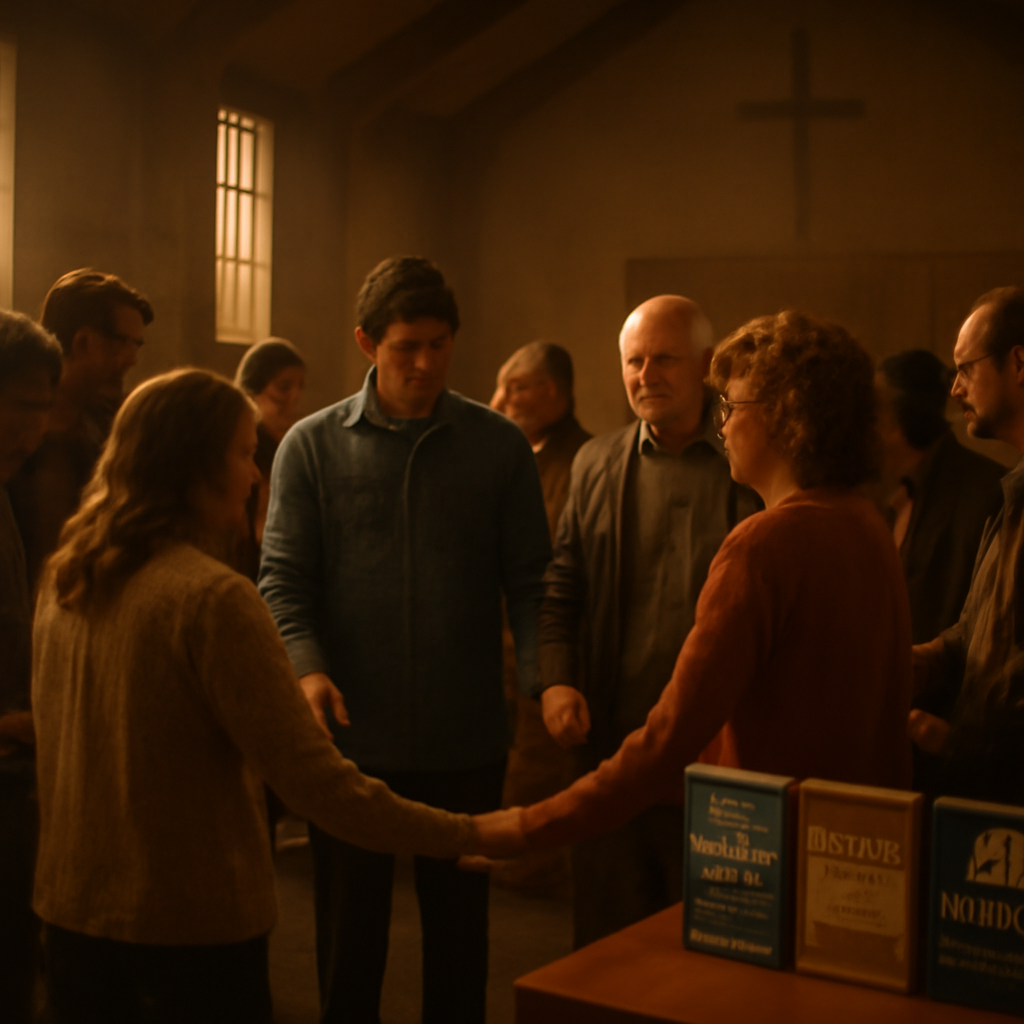
When the storm hits, remember that you’re part of a larger story. The same people who grieved in that video are also turning to life coaching to process the aftermath. If you’re looking for a more personal, guided walk through this terrain, Bettina Rodriguez Aguilera offers life coaching that blends faith and practical strategies, helping you turn grief into growth.
So, how do you use these insights right now? Pick one verse, write it in your journal, and ask yourself, “What does this teach me about resilience?” Keep the sentence simple. Repeat it daily, and notice how your view of suffering shifts from a burden to a stepping‑stone.
Deep Dive 2: Key Bible Verses Explaining Why God Allows Suffering
We’ve already sketched the big picture—God’s purpose, growth, and restoration—now let’s dive into the verses that actually answer the question: why does god allow suffering bible verses. It feels like we’re walking into a room full of lanterns, each one lighting a different part of the path.
First up, Romans 5:3‑4. It says suffering produces perseverance, character, and hope. In plain terms, pain is a kind of seasoning that makes the soul taste richer. Imagine a stew that’s been simmered just right; the more time it spends on the stove, the deeper the flavor.
Romans 5:3‑4 – The Flavor of Perseverance
This verse isn’t about making you suffer for the sake of suffering. It’s about what you get out of the stew—stamina that keeps you going when the next bite feels tough.
Does that resonate? You might be wondering if the same applies to everyday struggles, like losing a job or dealing with a broken relationship.
Next, James 1:2‑4 reminds us to consider trials pure joy. “Because you know that the testing of your faith produces perseverance.” It’s a reminder that the furnace of difficulty doesn’t just forge metal; it shapes people.
James 1:2‑4 – Turning Trials into Triumph
Picture a blacksmith hammering steel until it bends and then snaps back stronger. The verse invites you to view your challenges as that hammering.
But we’re not just talking about a single moment. In 1 Peter 5:10, it says, “after you have suffered a little while, the God of all grace will restore you.” The key word is “a little while.” It’s a promise that even the longest day has a dawn.
1 Peter 5:10 – The Graceful Pause
Picture a long run that ends with a finish line that feels like a warm hug. The promise is that you’ll finish stronger.
Want to see a broader pattern? Romans 8:28 says, “in all things God works for the good of those who love him.” That verse is the backbone of our hope: God is orchestrating a symphony, and suffering is one of the notes that makes the music beautiful.
Romans 8:28 – The Bigger Score
When you feel the weight of a broken heart, remember the orchestra is still playing. That note may sound harsh now, but it’ll blend into something sweet later.
Now, what if you’re wrestling with the idea that suffering is punishment? Isaiah 43:2 says, “when you pass through waters, I’ll be with you.” It’s a direct counter‑point to the “you did this, so you’re punished” narrative.
Isaiah 43:2 – Watering the Soul
Imagine walking through a storm with a friend who keeps your umbrella steady. That’s what the verse says: God’s presence turns the flood into a cool walk.
So, why does God allow suffering? These verses paint a picture of a God who is present in pain, who uses pain as a refining tool, and who promises a brighter horizon. It’s not a tidy, one‑size‑fits‑all answer; it’s an invitation to keep moving forward with faith.
In our experience creating e‑books for people who wrestle with these questions, we’ve seen that providing a verse‑by‑verse roadmap helps bring clarity. The next chapter will walk you through how to apply these verses to everyday life.
Need a deeper dive into how each verse can be lived out? Check out the comprehensive verse list on Bible Outlined’s collection of verses about suffering for a full guide.
Or explore Bible Study Tools’ thematic verse collection to see how each passage connects in a broader narrative.
Deep Dive 3: Common Misconceptions and the Reality of Divine Purpose
After skimming those verses, you might still feel a nagging doubt: maybe God just likes to test us for no reason. That’s a common echo in the quiet moments when grief hits hard. Let’s pull the curtain back and see what the Bible really says, and why those thoughts are more myth than truth.
Misconception #1: Suffering Is a Direct Punishment
It’s tempting to assume that if we’re hurting, God’s hand is the culprit. The real picture, however, is more like a sculptor chiseling a masterpiece. Pain can refine character, just as a blacksmith hardens steel. In a thorough BibleHub study on misconceptions about sin and suffering, you’ll find scholars arguing that suffering often stems from our free‑will choices, not a punitive decree.
Misconception #2: God Is Unaware of Our Pain
When you’re in the dark, it feels like God’s eyes are on the other side of the room. Yet the Scriptures repeatedly paint a picture of a God who sees every tear. Remember Isaiah 43:2’s promise that He’s with you in the waters? That’s God’s way of saying, “I’m right here, I know what you’re going through.”
Misconception #3: Suffering Is a Signal to Give Up
Some think pain is a cue to quit, but the truth is often the opposite. Think of a plant that bends toward the light after a storm—it’s still growing. In the same way, God’s purpose can be hidden in the toughest moments, preparing us for a deeper harvest.
So, what’s the real purpose behind the discomfort? Here’s a quick snapshot to help you keep the big picture in mind.
| Misconception | Reality | Takeaway |
|---|---|---|
| It’s a punishment. | It’s often a consequence of human freedom or a refinement tool. | Recognize that pain isn’t a verdict but a process. |
| God is unaware. | God sees every tear and walks beside us. | Lean into His presence during hardship. |
| It signals surrender. | It can be a stepping stone to greater strength. | Use the challenge as a chance to grow. |
We’ve all felt that weight, so here’s how you can shift from doubt to hope:
- Reframe the narrative. Ask yourself, “What does this struggle reveal about my reliance on Him?”
- Anchor in Scripture. Keep verses like Romans 8:28 handy—God’s working even when the path’s murky.
- Talk it out. Share your story with a trusted friend or a support group; the act of speaking can turn pain into a shared journey.
- Lean on faith‑based resources. Books like our e‑book on divine discipline offer practical tools rooted in biblical truth—no fluff, just real steps.
If you’re still wrestling with the “why” after the verses, you’re not alone. Many readers of the recent Down to Earth Christian article find themselves circling the same questions. The good news? Those authors point back to the same patterns we’ve been tracing: purpose, presence, and perseverance.
So, what does this mean for you right now? Take one small, intentional action—write a quick prayer, jot down a verse, or call a friend—because every step, no matter how tiny, moves you closer to the larger picture of divine purpose.
Deep Dive 4: Practical Spiritual Responses (with video)
We’ve already mapped out why God lets suffering happen, but now it’s time to put those verses into action. Ready to turn that knowledge into real life moves? Let’s dive in.
Step 1: Ground Yourself in Scripture
When the weight feels heavy, flip back to the verses that made us feel seen. Romans 5:3‑4, James 1:2‑4, and 2 Corinthians 4:17 are like a lifeline. Grab a copy, read it aloud, and let it echo in your mind. Repeating the words helps you remember that pain can bring perseverance and hope.
Step 2: Bring Your Pain to God
Prayer isn’t just a list of requests; it’s an honest conversation. Don’t worry about the perfect wording. Start with the raw: “I’m hurting. I don’t know why.” Then let the verses you read guide you to thank Him for His presence in the storm. This is the same practice the early Christians did, and it works today.
Step 3: Journal the Journey
Take a notebook or a note‑app and jot down what you feel each day. Ask yourself what each pain point is teaching you. Over time you’ll see a pattern—perhaps a shift from “I’m broken” to “I’m growing.” That’s how Romans 5:3‑4 shows up in real life.
Step 4: Share the Load
Talking to a friend, a pastor, or a small faith group can turn a solitary struggle into a shared story. When you share, you also receive. The same principle is in 2 Corinthians 1:4, which reminds us we’re meant to comfort one another.
Step 5: Use Practical Tools
Consider a structured plan. For example, set a reminder to spend ten minutes each morning with the verse “Psalm 34:18” and a short prayer. Then, at night, reflect on how that verse felt. Simple, consistent habits can shift a mindset faster than you think.
Want a deeper dive into how each verse can be lived out? BibleHub has a helpful list of ways God uses suffering for good that you can read in detail. The insights can spark fresh ideas for how to apply Scripture in daily moments. BibleHub’s guide
Step 6: Keep the Focus on the Bigger Picture
When the day feels stuck, remember the purpose behind the pain. The same verses that ask you why God allows suffering also point to a bigger plan—purpose, presence, and perseverance. Knowing this can turn a feeling of frustration into an engine of faith.
Step 7: Embrace Accountability
Accountability can make the abstract concrete. Invite someone you trust to check in weekly. Share what verse you’re wrestling with and ask for honest feedback. That simple act keeps you anchored and shows you’re not alone. If you’re looking for more depth, Charlene’s e‑book “Why God Has Approved Some Evil” breaks down those verses into everyday language.
Step 8: Visualize the Outcome
Visualize the outcome of your suffering. Picture it as a seed that sprouts into a tree you can’t see yet but will stand tall someday. This mental image keeps the hard moments from feeling like an endless tunnel.
Practical Takeaway
Pick one small action for today: maybe you’ll write a quick prayer, journal a single sentence, or send a supportive text to a friend. That tiny step is a seed for a growing garden of resilience and hope.
Conclusion
Remember, every verse you read, every prayer you say, and every journal entry is a step toward a larger picture. The journey is long, but small consistent actions add up to a life that feels less broken and more blessed.
Deep Dive 5: How to Seek Comfort and Guidance Through Scripture
Ever feel like the Bible is a big, silent room and you’re searching for a light switch? That’s the same place we all find ourselves when we ask, “why does god allow suffering bible verses.” The answer isn’t a single line; it’s a conversation you have with God over verses that speak to your pain.
We start by turning the page to the verses that feel like a warm hug in a cold room. Think of Psalm 34:18, Isaiah 41:10, and 2 Corinthians 1:3‑4. They’re the ones that say, “I’m here, and I’ve got your back.” If you haven’t read them in a while, open your Bible app, scroll to the comfort section, and read them aloud. The rhythm of the words can reset your heart.
What makes a verse feel real? It’s when you can see a part of your own story in it. For instance, Isaiah 41:10 says, “Fear not… I will strengthen you.” If you’re juggling a job loss and a broken relationship, that verse can feel like a whispered promise from a friend who knows your chaos.
So, what should you do next? Try this three‑step routine each morning:
- Set a 2‑minute intention. Pick one verse and say it to yourself while you sip coffee.
- Journal the emotion. Write a sentence about how that verse touches your current challenge.
- Close with gratitude. Thank God for that piece of comfort, even if it’s just a feeling.
In our experience, this small ritual turns a scattered day into a guided walk. When you revisit the verse in the evening, you’ll notice a shift—from “I’m stuck” to “I’m moving.” It’s like rewiring a muscle you didn’t know was hurting.
And here’s another trick: pair a comforting verse with a tangible action. If Isaiah 43:2 says, “I’ll be with you when you pass through waters,” use that as a cue to call a friend who’s been supportive. Turning words into action can deepen the impact.
Need a ready‑made list of comforting verses? The Bible Study Tools comfort collection has over a hundred options. Browse, highlight, and keep a digital folder so you can pull a verse whenever the storm hits.
What if the verses feel distant? Try visualizing the scene they describe. Close your eyes, picture the valley of the shadow of death in Psalm 23, and let the image sink in. The Bible isn’t just text; it’s a map drawn with images that your brain loves.
Finally, remember that Scripture is a living conversation. Your questions can be as simple as, “Where am I now?” or “Who’s holding me?” The verses answer in kind, and your response can be a prayer or a shared story with a trusted friend.
Give this routine a week. Notice how the verses shift from abstract comfort to a tangible anchor. You’ll find that asking the question “why does god allow suffering bible verses” becomes less about searching and more about listening.

FAQ
Why do I keep seeing verses that say God allows suffering? Does it mean He loves pain?
Those verses aren’t a sign that God loves suffering; they’re a reminder that God’s presence is strongest where the hurt is deepest. Think of a storm‑tossed ship—its hull is battered, but the crew knows the captain is still steering. The scriptural language invites us to lean into that same steadfastness, even when the waters feel wild.
What’s the difference between suffering that’s part of God’s plan and suffering caused by sin?
When verses talk about purpose—like Romans 5:3–4 or James 1:2–4—they’re pointing to a redemptive arc: pain refines character. Suffering that results directly from sin often carries a warning tone, but the Bible keeps both threads together. It’s not about blaming God for every hurt, but about seeing His hand shaping our growth.
How can I use these verses in daily prayer without sounding scripted?
Start by choosing one verse each morning, read it slowly, and then let your heart speak in between the lines. If Psalm 34:18 feels too formal, say to God, “I’m hurting, and I need Your closeness.” The key is authenticity—God hears your raw words, not a perfect litany.
Will reading these verses make the pain disappear?
Not magically. They’re tools, not magic wands. Imagine a map: it doesn’t erase the terrain, but it shows you a path. As you read and reflect, you’ll notice patterns—when you feel overwhelmed, you might recognize the same voice from Isaiah 41:10: “Do not fear.” That subtle reminder can shift your focus from the hurt to the helper.
Can I share these verses in a support group without sounding preachy?
Absolutely. Keep it conversational. Say, “I found this verse, and it felt like a hug.” Invite others to share theirs. The group becomes a living dialogue, not a sermon. The goal is connection, not conversion—so let the verses be the bridge, not the bridge‑keeper.
How do I remember which verse works best for each mood?
Create a small digital folder or a physical notebook labeled “My Comfort Verses.” Write the verse, the context, and a quick note about why it helps. When you’re stressed, flip to the right page. Over time, you’ll build a personalized atlas of comfort that feels like a personal diary.
Is it okay to read verses aloud even if I’m not in church?
Yes—read them in your kitchen, in the car, or on the couch. The verses aren’t reserved for pews; they’re meant for your life’s everyday corners. Reading them aloud brings a rhythm to prayer that makes the words stick in your heart.
What if I still doubt why God would allow such pain?
It’s normal to question. One thing that helps is to pair the question with the answer—ask, “How has this verse helped me in a real moment?” Then share that experience with someone else. The act of articulating doubt and then connecting it to scripture can turn confusion into a deeper conversation with God.
Conclusion
When you finally sit back and look at the whole picture, the question “why does God allow suffering bible verses” feels less like a mystery and more like a dialogue. We’ve walked through the story of Job, the promise in Romans 5, and the quiet comfort in Psalm 34. Each passage invites you to lean into the struggle rather than retreat from it.
What makes this journey real is the tiny, everyday practice: read a verse, say it aloud, let the words settle. It’s the same rhythm you use when you jot down a grocery list or plan a workout—simple, intentional, and grounding.
Remember, the goal isn’t to erase pain. It’s to see how the same God who watched over Abraham is present beside you in your own valleys. When you pair doubt with a scripture that speaks to your moment, you’re turning questions into conversation.
So, take one small action today. Open the app you trust, pull up a verse, and let it sit in the back of your mind. That’s how you start turning the heavy into hopeful.
And if you ever feel stuck, remember you’re not alone. The verses, the stories, and the community that grew around them are all here to walk with you. Let the next page be yours to write.