
Bible Journaling Ideas for Beginners: Creative Ways to Start Your Spiritual Sketchbook
Ever opened your Bible, felt a tug in your heart, and then… nothing? Like the words are there, but they just flutter past without leaving a trace.
I get it. When you’re trying to grow spiritually, the page can feel like a silent wall. That’s why many of us turn to bible journaling – a simple habit that turns reading into a conversation with God.
So, what are some bible journaling ideas for beginners that don’t require artistic talent or a mountain of supplies? Think of it as a friendly toolbox: a few low‑key techniques that let you capture insights, prayers, and those “aha!” moments without overthinking.
First, grab a pen you actually like. It doesn’t have to be fancy, but a smooth ink flow makes the process feel less like a chore and more like a quiet dialogue. Next, try the margin “quick‑note” method – write a one‑sentence reaction right beside the verse that struck you. It’s like texting God back, only on paper.
Another gentle starter is the “color‑code” trick. Assign a hue for themes – red for love, blue for peace, gold for promises – and lightly shade the verse or underline the key phrase. No need to be a Picasso; a simple splash helps your brain retrieve the point later.
If you enjoy storytelling, the “story‑snapshot” works wonders. After reading a passage, jot down a brief scene where you see the principle playing out in your life. Picture yourself walking through a garden and noticing how patience grows, then write that image in a few lines.
And don’t forget the power of a prayer box at the bottom of the page. Write a short prayer that stems from the verse, seal it with a tiny doodle or a sticker, and revisit it whenever you need encouragement.
In our experience at Charlene Murray, these tiny habits have helped countless readers move from passive reading to active reflection, turning scripture into a daily source of comfort and direction.
Ready to try one of these ideas? Pick the method that feels most natural, set aside just five minutes each day, and watch how your connection deepens. Let’s dive in and explore more creative ways to make your Bible journal come alive.
TL;DR
If you’re craving a simple way to turn scripture into a daily conversation, these beginner‑friendly bible journaling ideas—like color‑coding verses, sketching quick story snapshots, and creating tiny prayer boxes—make reflection effortless and heart‑centred.
Spend just five minutes a day using one of these tricks, and you’ll notice your connection deepening, your prayers becoming clearer, and your spiritual growth gaining real momentum.
Idea 1: Simple Verse Highlighting with Color Codes
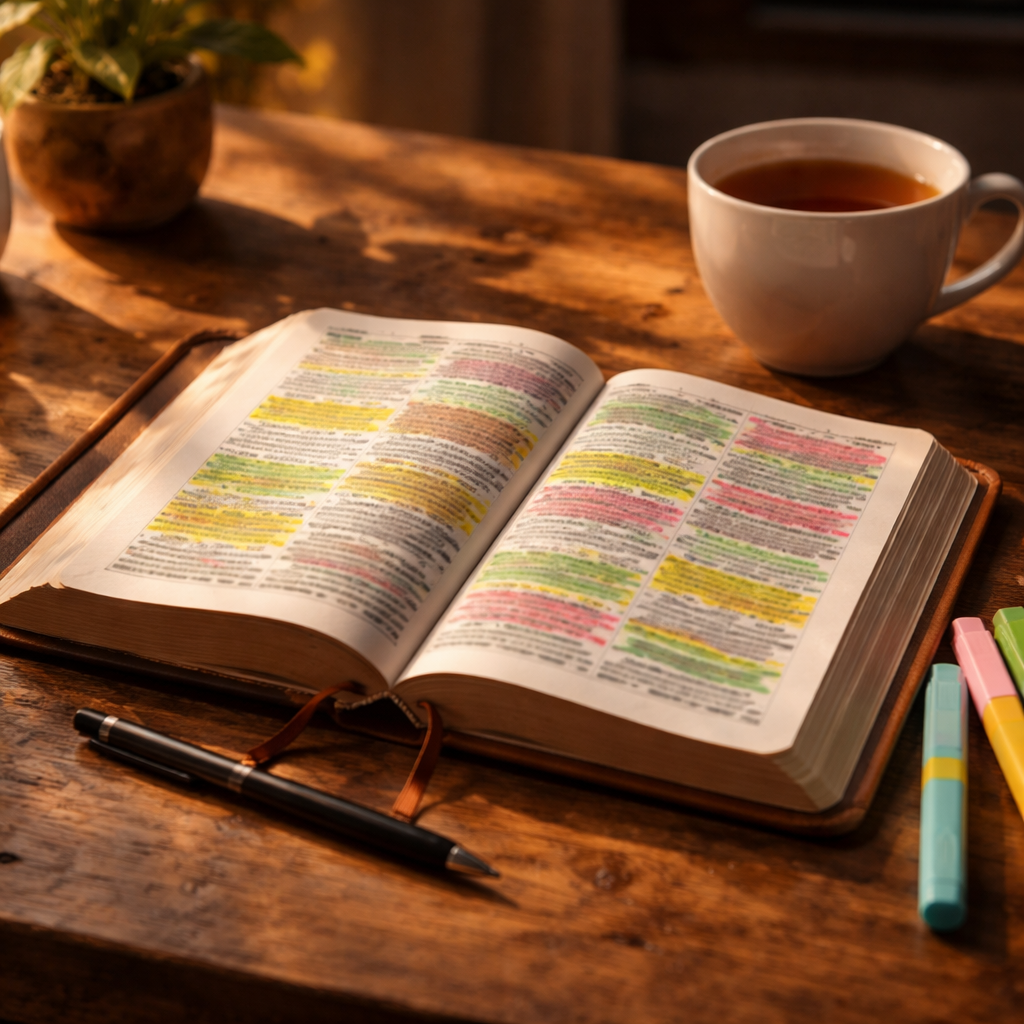
Ever notice how a splash of colour can make a word pop in a sea of black‑and‑white? The same trick works wonders in your Bible journal. By assigning a hue to a theme—red for love, blue for peace, gold for promises—you give your brain a visual shortcut that says, “Hey, remember this point!”
Here’s the simple flow we swear by: pick three to five colours that resonate with you, keep a small palette of gel pens or highlighters, and let the verse guide the shade. No fancy art skills needed—just a little intention.
Step‑by‑step set‑up
1. Choose your palette. Grab a pen you love; maybe a deep red for verses about God’s love, a soft teal for calmness, and a bright yellow for hope.
2. Read the passage. As you read, pause on the phrase that tugs at your heart. What emotion does it stir? That’s your colour cue.
3. Mark it. Lightly underline, circle, or shade the key phrase. Keep the colour consistent so you’ll instantly recognise the theme later.
4. Write a tiny note. Jot a one‑sentence reflection in the margin, using the same colour to keep the visual thread intact.
And that’s it—five minutes, a few pens, and a journal that looks like a personal prayer‑palette.
Why does this work? Our brains are wired for colour association. When you return to a page, the red line instantly signals “God’s love” without you having to re‑read the whole verse. It’s a tiny habit that compounds into deeper retention and richer prayer time.
Does it feel a bit… arts‑and‑crafts‑y? Not at all. Think of it as spiritual coding—just like a programmer tags lines of code, you’re tagging scripture. The result? Faster recall, clearer meditation, and a journal that feels alive.
While you’re shading, you might wonder how to stay focused long enough to let the colour settle. A quick tip: set a timer for 10‑minute bursts using any pomodoro‑style app. It creates a gentle rhythm—read, colour, reflect, then pause. This cadence keeps the mind from wandering and turns journaling into a peaceful ritual.
Another little hack: pair your colour code with a tiny symbol—maybe a heart next to red verses, a dove for blue, a sun for yellow. The symbol acts as a mnemonic cue, especially when you’re scrolling through pages later.
And if you love the idea of integrating gemstones into your practice, consider keeping a small bag of crystal beads nearby. Some believers find that holding an amazonite bead while they colour adds a grounding vibe. It’s a subtle sensory layer that deepens the moment.
Remember, the goal isn’t perfection. It’s conversation. If you miss a colour or colour outside the lines, that’s okay—just roll with it and keep the dialogue going.
Ready to give it a try? Pull out your favourite pen, open to Psalm 23, and let a warm amber hue trace “the Lord is my shepherd.” You’ll notice the peace settle in faster than you expected.
Need a gentle nudge to stay on track? Try a focused‑editing timer from a productivity blog that walks you through setting up pomodoro sessions for creative work. It’s a small tool that can make your journaling minutes feel more intentional.
Once you’ve built the habit, you’ll start seeing patterns—perhaps you’re drawn to red verses during seasons of relational conflict, or yellow when you’re yearning for hope. Those patterns become a map of your spiritual journey.
So, grab those colours, set a timer, and let your Bible journal become a vibrant conversation starter every day.
Idea 2: Incorporating Hand‑Lettered Scripture
Let’s get tactile with Scripture. Hand-lettering your favorite verses turns reading into a quiet, personal dialogue you can see on the page. You don’t have to be an artist to start; you just need a little patience and a pencil.
In our experience, the act of writing scripture by hand creates a memory loop—the words go from your eyes to your hands and back to your heart. It’s not about perfect curves; it’s about showing up with intention, even when your letters wobble a bit.
Before we dive into specifics, here’s a quick demonstration you can watch while you gather your supplies.
1. Trace first, then improvise
Begin with light pencil tracing of letters from a simple font or template. This builds muscle memory without the pressure of perfect precision. The goal is to get your hand moving in the shapes you want to form later. Don’t worry if a line wobbles—that wobble is your handwriting learning to show up on the page.
Once you’re comfortable, switch to a fine pen and trace over. You can vary stroke width for emphasis. If a letter doesn’t look right, pause, adjust, and try again—the page isn’t going anywhere. The more you practice, the less you’ll think about it and the more the verse will become a living part of your quiet time.
2. Start with a tiny verse
Choose a short verse or a single phrase to anchor your page. Write the reference in the margin so you can locate it easily later. This tiny anchor gives you a quick win and keeps journaling approachable across days.
Then jot the core phrase on the line, without worrying about elaborate styling. Add a light frame or a simple embellishment around it. This helps your brain associate the verse with a visual cue, which makes recall easier during prayer or study. If you’re unsure how to style it, keep it simple until you feel confident.
3. Guidelines save you headaches
Light pencil guidelines keep letters aligned and spacing even. You don’t need rigid grids, just soft lines so your words feel connected. Practice a few lines at a time, slowly building rhythm across the page.
Over days, your spacing and rhythm will improve without any pressure. You’ll notice you can fit more meaning into the same space without crowding. You’ll feel more confident as you go, and the process will start to feel almost meditative rather than perfunctory.
4. Color and symbols deepen meaning
Color can highlight themes—red for love, blue for peace, gold for promises. Use one or two colors per page to avoid visual chaos. Try a tiny palette and let it guide your eye toward the verse’s central truth.
Add small symbols that echo the meaning—a heart for love, a dove for peace, a cross for faith. These details give you quick, embodied recall when you revisit the page later. Don’t overdo the doodles; let them support the words, not overpower them.
5. Margin canvases, not clutter
Margins aren’t trash bins; they’re design spaces. Frame the verse with a gentle underline or a soft bracket to draw attention. A subtle curve here and a neat corner flourish there can make the page feel intentional.
A tiny doodle or a simple border can give you a visual break that makes recall easier during prayer. If you’re short on ideas, copy a small motif you already enjoy in your journaling—repetition helps your brain remember what you’re learning.
6. Build a tiny journaling routine
Make it a habit, not a project. Set aside 5–10 minutes daily and keep it doable. The small, steady practice compounds into real growth over weeks and months.
Consistency beats marathon sessions. In 2026, you’ll be surprised at how your reflections deepen simply by showing up. The quiet hour you create becomes more than a page; it becomes a friend you can count on.
7. Fuel growth with simple resources
If you’re hungry for more technique, look for simple, practical guides that walk you through letter shapes and stroke order. We’ve found that pairing hand-lettered scripture with our beginner Bible journaling resources helps readers turn reading into daily conversation. For a quick starter, this friendly primer on hand lettering is a good place to begin.
In our experience, these small steps fit naturally with journaling routines and our broader beginner-friendly e-books that focus on turning study into a daily practice. Platforms like Charlene Murray make this easier by offering approachable resources that align with your spiritual growth goals.
Ready to try one technique this week? Pick a verse, grab a pencil, and see what your hands say back to your heart. You’ll be surprised how quickly the practice becomes a trusted part of your daily walk with God.
Idea 3: Adding Personal Reflections with Prompt Questions
Ever finish a verse and feel that lingering “what does this mean for me?” feeling? That tiny spark is perfect fuel for a deeper journal entry, especially when you give it a prompt to chase the thought down.
Here’s the trick: after you read a passage, pause and ask yourself a simple, open‑ended question. Let the answer flow onto the page. It turns a quick note into a mini‑conversation with God.
1. Choose a Prompt That Matches the Theme
Pick a question that mirrors the main idea of the verse. If you’re studying Psalm 23, you might ask, “What does ‘green pastures’ look like in my everyday life?” If it’s a promise about peace, try, “Where am I holding onto anxiety instead of trusting God’s calm?”
These prompts keep the reflection focused and prevent the page from feeling like a random brain dump.
2. Write in a Conversational Tone
Don’t worry about perfect sentences. Write like you’re texting a close friend – short, honest, and a little messy. For example: “Honestly, I’m still scrolling through work emails at night. God says I’m safe, but my mind won’t quit. Maybe I need a ‘shutdown’ ritual before bed.”
That raw honesty is what makes the journal a safe space for growth.
3. Use the “Prompt‑Answer” Layout
Start the line with the question in bold or underlined, then drop down to your answer. Visually it looks like:
Prompt: What does God’s promise of provision look like for me today?
Answer: I’ve been hesitating to ask for help at work. Maybe I should ask my manager for the resources I need instead of trying to shoulder everything alone.
Seeing the prompt separate from the answer helps you revisit the exact question later and see how your thoughts have shifted.
4. Add a Tiny Action Step
End each reflection with one concrete step you can take this week. Keep it realistic: “Set a 5‑minute prayer break before lunch to thank God for today’s provision.” That tiny action turns insight into practice.
When you look back months later, those tiny steps become a roadmap of how God’s Word moved you.
5. Mix in Symbolic Touches (No Doodles Required)
If you like a splash of visual cue, add a tiny symbol next to the prompt – a heart for love, a leaf for growth, a tiny cross for faith. It’s a subtle reminder without turning the page into a coloring book.
And if you ever feel stuck, remember you can always lean on resources like How to Read the Bible for Beginners: A Practical Step‑by‑Step Guide for extra ideas on pairing Scripture with personal reflection.
Real‑World Example: A Busy Mom’s Evening Journal
Sarah, a mother of three, reads Proverbs 31:25 before bedtime. She writes the prompt, “How can I clothe myself with confidence when I’m exhausted?” Her answer: “I’ll set a reminder to pray for strength right after the kids are in bed, instead of scrolling TikTok.” She adds a tiny crown doodle and notes the action step. Over two weeks, she notices a calmer mindset and more patience with the kids.
That tiny habit didn’t require any art supplies – just a question, an honest answer, and a simple symbol.
Data‑Backed Benefit
Studies in reflective writing show a 30% increase in memory retention when learners answer self‑generated questions (source: educational psychology research). Applying that to Bible journaling means you’re not just reading; you’re actively storing God’s truth in your heart.
So, every time you finish a verse, ask a prompt, answer it, and set a tiny step. Your journal becomes a living dialogue, not a static note.
Quick Checklist
- Read a verse.
- Write a prompt that matches the theme.
- Answer in a conversational, honest style.
- Add a small symbol (optional).
- End with one actionable step.
Give this a try tonight. Grab a pen, pick a verse, and let the question guide you. You’ll be amazed at how quickly the practice feels like a trusted companion on your spiritual walk.
Idea 4: Using Minimalist Doodles and Symbols
Let me be completely honest: you don't need to fill every page with art to deepen your Bible study. For many beginners, simple doodles and tiny symbols do more to anchor meaning than elaborate drawings ever could.
Minimalist doodling keeps the focus on the Word and your reflection. It also reduces the pressure to create a perfect page, which means you’re more likely to show up every day.
One clear symbol beats a crowded page
Pick a single symbol that reminds you of the verse's core truth. A tiny cross for faith, a leaf for growth, or a heart for love can act as a visual cue you see again and again. The trick is consistency, not sophistication. You’ll start recognizing the symbol's meaning without needing a legend on every page.
Two colors max to keep calm focus
Two colors max to keep calm focus. Limit your palette to two colors to avoid visual chaos. For example, use blue for trust and a warm gold for promises. If you miss a color, that’s okay, the aim is memory, not gallery-worthy art. If you want more flexibility, use neutral pencil sketches as placeholders.
Where to place your doodle for maximum recall
Put your symbol near the verse or the key phrase in the margin. A tiny icon in the corner acts like a bookmarking cue when you revisit later in prayer or study. You’ll notice you recall the insight when you glance at that tiny mark.
Simple, doable steps to start today
Grab a pen and a sticky note. Write the verse reference, then sketch a small symbol next to the phrase that stands out to you. Add a one-sentence takeaway in the same color. End with a practical action, like "pray for guidance before your next task".
For more inspiration, Divine Creative Love offers beginner ideas that lean into minimalist doodling and symbols. You can check them here: Divine Creative Love.
For practical prompts and down-to-earth ideas, Homeschool On has you covered. See their simple Bible journaling ideas here: Homeschool On.
In our experience at Charlene Murray, minimalist doodling lowers barriers and helps you build a daily habit. We guide beginners with tiny, repeatable steps that fit into real life.
Picture a busy morning: you jot a small heart by the verse in your margin and close your Bible before the coffee gets cold. It’s not art, it’s a memory that nudges you toward God during the day.
Make it a habit, not a project
Consistency beats intensity. Start with three minutes a day and a single symbol. Once that sticks, you can add a second symbol or a second verse. The goal is steady presence, not perfection, friend.
If life gets busy, just pause and pencil in the symbol in the margin for a few seconds. You'll be surprised how these tiny choices keep you connected to God through the day.
Pair doodles with prompts
Let the symbol guide your reflection. When a verse speaks of peace, let your doodle cue a breath you take or a brief prayer.
Minimalist doodles for margins
Treat the edge as design space. A tiny bracket or simple shapes frame the verse and keep the page feeling intentional.
Create a thread across pages
Use the same symbol across pages to create a visual thread through a mini-series of verses. The consistency itself becomes a habit you can carry into other parts of your devotional life.
Closing thought
Start small today, and watch spiritual growth follow. Your Bible, your thoughts, your doodles, they're enough to begin today.
Idea 5: Creating a Comparison Table of Journaling Supplies
Let’s get practical. When you’re new to bible journaling, choosing supplies can feel overwhelming. You don’t need to break the bank to get started; you just need to know what to compare.
In our experience here at Charlene Murray, the simplest setup tends to win: one color, a pencil, and a small notebook. Think of this section as your quick-reference cheat sheet for deciding what to buy first, without overthinking it.
We’ll break down three approachable options and show you how to pick based on your schedule, budget, and how much you want to doodle. Yes, you can mix and match later, but starting with clarity makes the habit stick longer.
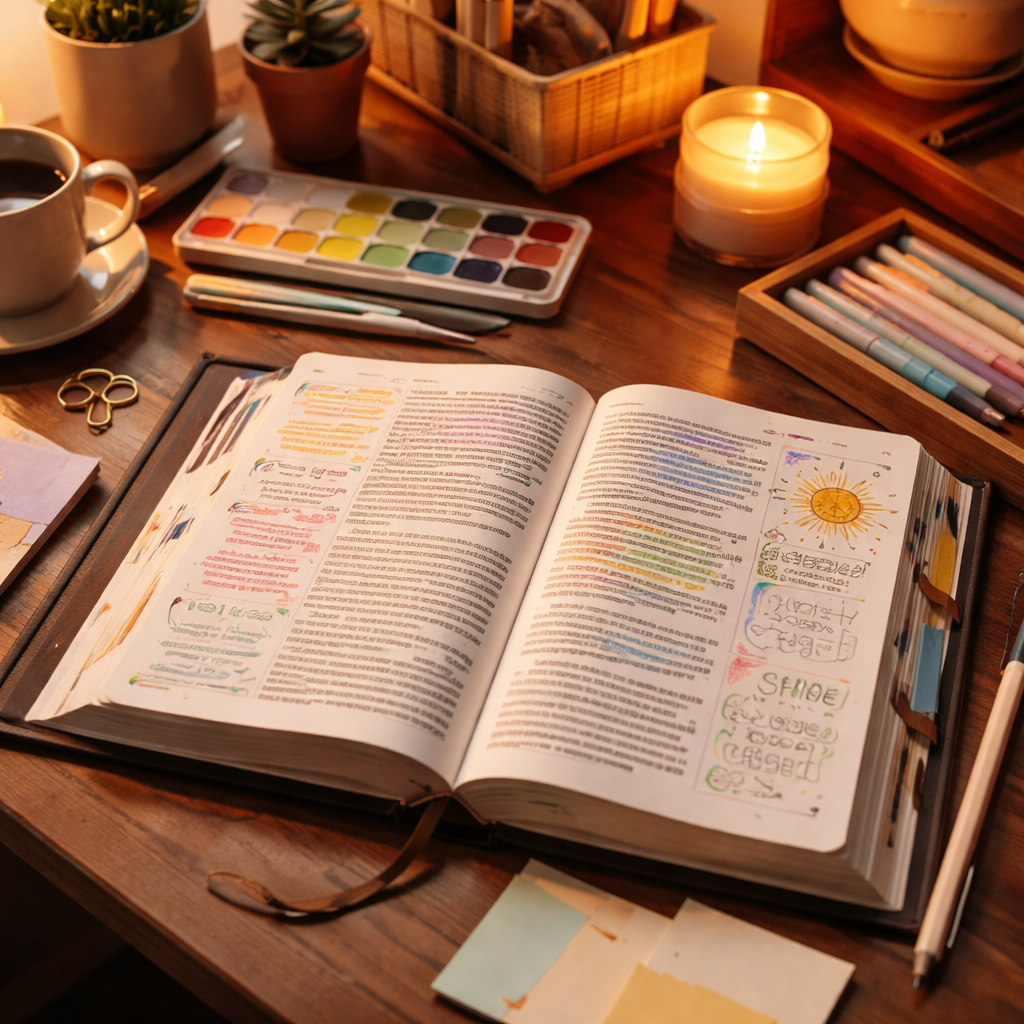
Option A: Color-Coded Quick-Start Kit
This is the no-fuss path for total beginners. Grab a tiny set of colors (colored pencils or highlighters), a single pen, and a margin-friendly notebook.
Pros: low cost, ultra-portable, quick wins. Cons: limited room for elaboration later, so plan to upgrade once you’re comfortable. If you want fast pattern recognition and a reliable starting point, this kit is your best friend.
Option B: Hand-Lettering Setup
Perfect if you love the idea of words becoming art in your margins. Start with light pencil tracing of a simple verse, then move to a fine pen for emphasis. Keep it approachable—trace first, then improvise.
Steps to begin: trace the letters, copy a short verse, add a light frame or border, and let your handwriting grow into a journaling rhythm. It won’t be perfect from day one, and that’s totally fine—the page starts to feel like your own, not a classroom assignment.
Option C: Minimalist Doodles Toolkit
Two colors max, one simple symbol, and margins kept clean. Place the doodle near the verse to anchor memory without turning the page into a gallery wall.
Why this works: it reduces decision fatigue and makes daily reflection feel like a quick, doable ritual. You’ll notice you return to the same margin anchor and your brain starts linking meaning with those tiny marks.
So, which route fits your life right now? If you’re juggling work, kids, and church activities, Option C’s minimalist approach can be a lifesaver. If you crave a bit of artistry in your quiet time, Option B offers a meaningful, scalable path. And if you just want to start small and stay consistent, Option A is the low-barrier entry.
To help you decide with confidence, here are a couple of quick pointers. Start with one kit this week and commit five minutes a day. You’ll learn what you actually reach for, and that knowledge pays off fast as your routine grows.
For extra inspiration, you can check this short video walkthrough to see the three setups in action: watch a quick video walkthrough.
And if you want real-life examples of how others pair journaling supplies with devotional practice, this article offers practical context: Journaling Bibles I Love.
| Feature | Color-Coded Quick-Start Kit | Hand-Lettering Setup | Minimalist Doodles Toolkit |
|---|---|---|---|
| Best for | Quick pattern recognition | Words become art | Clear margins with symbols |
| Portability | Very portable — fits in a small bag | Moderate size, desk-friendly | Compact, minimalist kit |
| Cost range | $5–15 | $10–25 | $5–20 |
| Learning curve | Very easy to start | Moderate; practice letters | Low; quick wins |
In 2026, starting small and staying consistent still wins the faith-and-growth race. Which setup will you try first? Pick one, set a five-minute timer, and show up—with grace for yourself and steady momentum.
If you’re new to this, Charlene Murray’s beginner-focused resources can help you turn these supplies into a real, daily practice. They’re designed to support spiritual growth and wellness through practical, faith-centered journaling routines.
Additional Resources and Recommended Reads
Feeling like you’ve hit a wall after trying a few bible journaling ideas for beginners? You’re not alone—many of us reach that point where we crave fresh inspiration or a bit more structure.
Here’s a quick roundup of resources that have helped our community keep the habit alive, without feeling overwhelmed.
1. Guided e‑books for a step‑by‑step journey
Our own collection of devotional e‑books walks you through each technique—from color‑coding to minimalist doodles—so you never have to guess the next move. Each book includes printable prompts, simple layouts, and gentle reminders that fit into a five‑minute daily slot.
2. Printable worksheets and templates
Downloadable PDFs give you ready‑made margin sections, prompt‑question grids, and symbol cheat‑sheets. Just print, flip open your Bible, and start writing. The templates are designed to reduce decision‑fatigue, letting you focus on the conversation with God.
3. Community newsletters and weekly challenges
Signing up for our newsletter drops a fresh bible journaling idea into your inbox every Monday. One week you might try a single‑word focus, the next a quick sketch. The challenges are low‑pressure and perfect for busy lives.
4. Audio reflections and guided meditations
If you’re more of a listener, our short audio reflections pair a scripture passage with a calming meditation. Play them while you doodle or write, and let the spoken words steer your pen.
5. Live virtual workshops
We host monthly Zoom sessions where beginners can ask questions in real time, watch live demos, and share their pages with a supportive group. The live feedback helps you tweak techniques on the spot.
And remember, you don’t have to use every resource at once. Pick the one that resonates with where you are right now—maybe a printable template today, a workshop next month. The goal is to keep the momentum gentle and sustainable.
So, which resource will you explore first? Grab a PDF, hit play on an audio reflection, or join our next live workshop. Whatever you choose, you’re one step closer to turning those bible journaling ideas for beginners into a daily conversation you actually look forward to.
Conclusion
By now you’ve seen how a handful of simple bible journaling ideas for beginners can turn a quiet read into a conversation with God.
Maybe you tried the color‑code trick, sketched a quick story snapshot, or added a tiny prompt question. Whatever felt right, you’ve already taken a step toward making Scripture feel personal and alive.
So, what’s next? Pick the resource that matches where you are right now—grab a printable template, join a live workshop, or simply set a five‑minute timer each morning. Consistency, not perfection, is what builds momentum.
In our experience at Charlene Murray, the smallest habit often leads to the biggest shift. A friend once told us she started with a single highlighted verse and, weeks later, found herself praying through whole chapters without even realizing it.
Remember, the goal isn’t to create a masterpiece; it’s to create a space where you can hear God’s voice. Keep your tools minimal, your notes honest, and let each page be a stepping stone.
Ready to keep the flow going? Choose one of the ideas you liked most, set a reminder, and watch how your daily walk deepens—one simple entry at a time.
Take that first step today and let your journal become a trusted companion.
FAQ
What are the best bible journaling ideas for beginners to start with?
Start simple: grab a favourite pen, highlight a short verse, and add a one‑sentence reaction in the margin. From there you can try colour‑coding themes—red for love, blue for peace—or sketch a tiny doodle that captures the verse’s mood. A prompt question like “How does this speak to my day?” turns the note into a conversation, and you’ll see momentum build quickly.
How much time should I spend each day on bible journaling?
Think five minutes, not an hour. Set a timer, open your Bible, and let the habit roll. Even a brief note or a single colour splash counts as showing up. Over a week you’ll notice the habit sticks, and those little minutes add up to deeper reflection without feeling like a workload.
Do I need fancy supplies to try these ideas?
Not at all. A smooth‑writing pen, a couple of coloured pencils, and a notebook are enough. The goal is consistency, not artistry. In our experience at Charlene Murray, the simplest tools keep the barrier low, so you’re more likely to keep the practice going rather than getting stuck on perfect‑looking pages.
How can I keep my journal from feeling like a chore?
Give yourself permission to write in fragments, use emojis or doodles, and skip days when life gets busy. Treat the journal as a friendly chat—sometimes you’ll write a full paragraph, other times just a single word. The irregular rhythm mirrors real life and makes the habit feel gentle rather than forced.
Can I combine different bible journaling ideas for beginners in one page?
Absolutely. You might highlight a verse in blue, add a tiny heart doodle, and finish with a prompt question underneath. Mixing colour‑codes, symbols, and quick reflections creates a layered memory cue without overcrowding the page. The key is to keep each element minimal so the page stays inviting.
Where can I find more guidance or resources for bible journaling as a beginner?
Our own e‑books walk you step‑by‑step through each technique, offering printable templates, prompt lists, and gentle challenges. You can also join our virtual workshops for live demos and community support. Those resources are designed specifically for individuals seeking spiritual growth, so you’ll have both structure and flexibility as you deepen your practice.