

Faith and Mental Health Tips: 7 Practical Ways to Strengthen Your Spirit and Mind
Ever notice how a simple prayer can feel like a breath of fresh air on a stressful day?
You’re juggling work emails, family commitments, that lingering anxiety that never seems to quit, and suddenly a quiet moment with God feels like a lifeline.
I get it—sometimes the mind is a noisy crowd, and faith can seem like just another voice in the chaos.
But what if we treated our spiritual practices the same way we treat a mental‑health toolkit, adding small, intentional habits that actually calm the brain?
In this article we’ll explore practical faith and mental health tips that blend scripture, prayer, and everyday self‑care without sounding like a sermon.
Think about the last time you wrote down a gratitude thought after a Sunday service. That tiny act not only honors God but also rewires your brain to notice blessings, a trick backed by many Christian self‑care guides.
We’ll share three easy habits—like a “verse‑and‑breath” pause, a gratitude journal prompt, and a short worship walk—that you can slip into a coffee break or bedtime routine.
And because we all love a good story, I’ll sprinkle real‑life examples of people who turned a nightly prayer into a grounding meditation that eased panic attacks.
So, are you ready to discover how faith can become a tangible mental‑health ally rather than an abstract idea?
Let’s dive in and start building a habit stack that honors both your spirit and your mind.
Maybe you’ve tried a meditation app before and felt it was missing that deeper purpose. By anchoring each breath to a verse, you give your mind a familiar script to follow, which can quiet the racing thoughts that often accompany anxiety.
And don’t forget the power of community—sharing a short devotional with a friend can turn solitary reflection into mutual encouragement, boosting both hope and resilience.
TL;DR
In a nutshell, blending simple prayer pauses, gratitude journaling, and brief worship walks gives you practical faith and mental health tips that calm anxiety and nurture spiritual growth.
Try one habit today—pair a favorite verse with a deep breath during coffee break—and notice your mind steadier, your heart lighter, and your connection to God stronger.
Understanding the Faith‑Mental Health Connection
Ever notice how a quiet moment with God can feel like a mental reset button? It’s not magic—it’s the way our brain reacts when we anchor thoughts to something bigger than ourselves.
Scientists call this “spiritual neuroplasticity,” but you don’t need a PhD to see it in action. When you repeat a verse, your nervous system gets a soothing rhythm, kind of like a favorite song that steadies a racing heart.
Why the brain loves Scripture
Think about the last time you whispered Psalm 23 during a stressful commute. That familiar phrase triggers the prefrontal cortex, the part of the brain that regulates anxiety. The result? A calmer mind and a clearer view of the road ahead.
And it works both ways. When anxiety spikes, turning to a trusted prayer can interrupt the fight‑or‑flight loop, giving you a moment to breathe before the thoughts spiral.
Faith as a mental‑health toolkit
Here’s a simple way to treat your faith like a toolkit: pick three everyday anchors—one verse, one breath, one movement. Whenever tension creeps in, run through the trio. It’s like having a pocket‑sized therapist who also happens to be your Creator.
Want a real‑world example? I know a mom who set a timer for “verse‑and‑breath” pauses during her kids’ bedtime routine. Within a week she reported fewer racing thoughts and more patience. Small habit, big payoff.
So, what should you do next?
Start by choosing a verse that speaks to your heart—maybe Romans 8:28 or a line from a favorite hymn. Pair it with a slow inhale, counting to four, then exhale for the same count. Do this three times whenever you feel overwhelmed.
Now, sprinkle in a short walk of worship. Even a five‑minute stroll while humming a chorus can shift your nervous system from stress mode to peace mode. It’s the same principle that athletes use: rhythmic movement plus focus = mental clarity.
Speaking of athletes, the folks at AthleMove have been talking about how movement and mindfulness intersect, and their approach aligns perfectly with this faith‑based walk.
And if you’re looking for a professional perspective on the mind‑body link, Dr. Boudreau’s clinic—RevDrBoudreau.com—offers resources that blend psychology with spiritual care, showing just how complementary they can be.
When you’re ready to fuel your body as well as your spirit, consider the nutrition side of mental health. FitCore Supply provides supplements that support brain health, making it easier to stay present during prayer and meditation.
Below is a quick visual reminder of the three‑step loop we just described. Keep it somewhere you’ll see it—on your fridge, in your planner, or as a phone wallpaper.
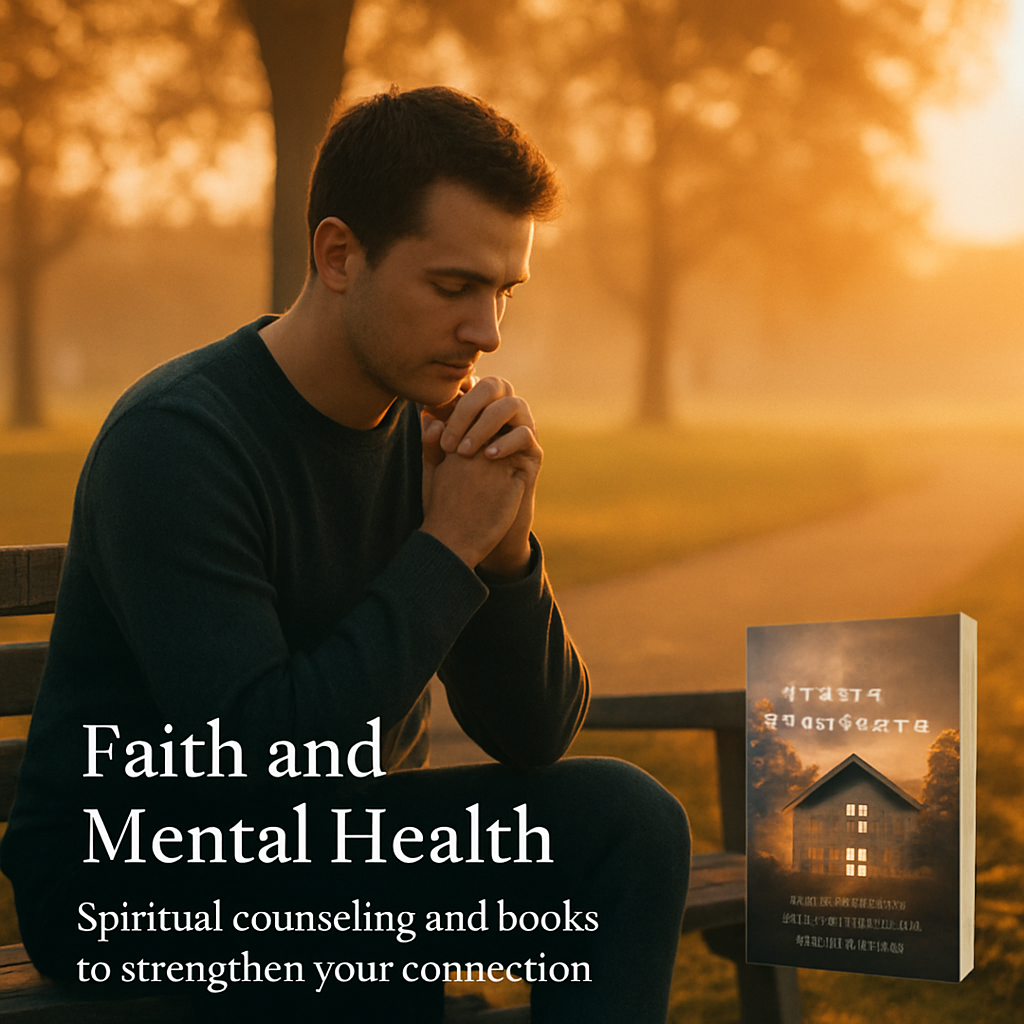
And because seeing the concept in action can solidify the habit, check out this short video that walks through a “verse‑and‑breath” routine you can try right now.
Take a minute after the video to practice the loop. Notice how your shoulders drop, how the verse feels like a gentle anchor. That’s the faith‑mental health connection in real time.
Finally, remember that consistency beats intensity. A tiny habit done daily builds a resilient mind‑spirit partnership that can weather life’s storms. You’ve got the tools—now put them to work.
Prayer and Meditation Practices for Emotional Balance
Ever feel like your mind is a noisy hallway and a simple prayer could be the quiet door you need?
We’ve already seen how a verse‑and‑breath pause can calm the storm, but there’s a whole toolbox of prayer‑based meditations that keep our emotions steady throughout the day.
1. Centering Prayer in Three Simple Beats
Pick a single word—peace, hope, love. Close your eyes, inhale slowly, and let that word settle on the inhale. Exhale, gently whisper the same word in your mind. Do this for three breaths, then repeat for a minute.
It feels almost like a tiny mantra, but because the word comes from Scripture, your heart recognizes it as a promise from God. The result? A calmer nervous system and a clearer mind.
So, what should you do next? Try it right now, even if you’re at your desk. Notice how the tension in your shoulders eases.
2. The “Psalm Walk” Meditation
Take a short walk—around your living room, the hallway, or outside if you can. As you step, recite a line from a Psalm that speaks to you. For example, “The Lord is my shepherd, I lack nothing” (Psalm 23:1).
Each step anchors the verse to a physical movement, turning a mental repeat into a full‑body experience. The rhythmic motion plus the familiar words can lower cortisol, the stress hormone.
Think about it: you’re literally walking your worries away, one verse at a time.
3. Breath‑Prayer Fusion (The “Sabbath Breath”)
When the day feels chaotic, pause and take a “Sabbath Breath.” Inhale for four counts, hold for two, exhale for six while silently saying, “Lord, give me rest.”
Holding the breath mirrors the pause God invites us to take on the Sabbath—a moment of stillness. The longer exhale activates the parasympathetic nervous system, helping you feel grounded.
Give it a try before your next Zoom call. You’ll walk in feeling steadier, not jittery.
4. Journaling the Still Small Voice
After any prayer‑meditation, open a notebook and jot down three quick reflections: what you felt, any image that popped up, and a short prayer of thanks. Even a sentence or two counts.
This practice turns the fleeting peace into a tangible record you can revisit on tough days. It’s also a gentle way to track emotional trends over weeks.
Need a starter? Check out our free prayer journal templates—designed to guide you without overwhelming you.
5. Partnered Prayer Pause
Call a trusted friend or family member and agree on a five‑minute “dual prayer.” Both of you sit quietly, each holding a candle, and silently pray for the same intention—peace for a stressed colleague, for example.
The shared focus creates a subtle energy loop, reinforcing the feeling that you’re not alone in the struggle.
And here’s a little secret: consistency beats intensity. A five‑minute habit daily beats an hour once a month.
Putting It All Together
Pick one of these practices and weave it into your morning routine. Maybe you start with a Psalm Walk while sipping coffee, then finish with a quick Centering Prayer before work.
Over a week, notice how the “storm” anxiety feels more like a passing cloud. You’ll find that faith‑based meditation isn’t a chore; it’s a gentle reset button for your emotions.
Ready to give it a go? Tonight, before you drift off, try the Sabbatical Breath with a verse that comforts you. Tomorrow, take a short Psalm Walk. Your emotional balance will thank you.
Scriptural Reflections and Journaling Prompts
When you pause a busy day to stare at a verse, something subtle shifts. The words stop being abstract ideas and become a mirror you can write into. That’s why pairing Scripture with a journal works so well for mental health—it gives you a concrete place to track how God’s promises actually feel in your life.
First, pick a verse that hits a current emotion. Maybe you’re wrestling with anxiety and Psalm 34:4 feels right: “I sought the Lord, and he answered me; he delivered me from all my fears.” Write that line at the top of a fresh page, then answer three quick prompts:
1. What feeling does this verse stir right now?
Don’t overthink it. Just note the first image or sensation that pops up. “My chest feels lighter, like the weight of a blanket has been lifted.”
2. How does God’s promise speak to that feeling?
Connect the dots. If the verse promises deliverance, you might write, “I’m reminded that I’m not alone in my panic; God is already pulling me toward calm.”
3. What tiny step can I take today to live into this promise?
Turn the insight into action. It could be as simple as breathing deeply three times before your next meeting, or texting a friend to share the verse.
Notice the pattern? You’ve turned a fleeting thought into a recorded affirmation, and you’ve given yourself a next‑move. Over weeks, those little entries become a map of how God meets you in different seasons.
Here’s a real‑world snapshot: Jenna, a college student, started each morning with Isaiah 40:31 and the three‑prompt method. After two weeks she realized her anxiety spikes before exams, but her journal showed a consistent theme—“I’m waiting on strength, not my own.” She began a 5‑minute walk before study sessions, and her grades improved while her stress dropped.
Another example: Mark, a busy dad, uses the “gratitude + Scripture” combo. He writes down a gratitude point, then adds a verse like 1 Peter 5:7, “Cast all your anxiety on Him…” The act of linking thankfulness with divine care helped him sleep better, according to his own notes.
If you’re wondering how to keep the habit from fading, treat the journal like a coffee mug you keep on the kitchen counter—visible, easy to grab, and part of a routine. Set a reminder on your phone for “Verse‑Journal Time” and stick to the same time each day. Consistency beats intensity, every time.
For a deeper dive into gratitude‑focused prompts, check out Christian Gratitude Journal Prompts: 7 Inspiring Ideas to Deepen …. The ideas there can be woven into the three‑prompt structure, giving you fresh angles when you feel stuck.
Want a quick template? Grab a printable from the free prayer journal collection, draw three columns (Verse, Feeling, Action), and fill them in as soon as a verse sticks in your mind. The visual layout makes the process feel less like work and more like a mini‑art project.
And if you’re curious about how other creators blend faith and psychology, Rev Dr Boudreau shares research‑backed insights on the intersection of spirituality and mental well‑being that complement this journaling practice.
Finally, give yourself a weekly review. Flip back to the past seven entries, highlight any recurring themes, and ask: “What does God seem to be teaching me about my heart right now?” Write a short prayer summarizing those discoveries, then close the journal. You’ve just turned a habit into a feedback loop that fuels growth.
Remember, the goal isn’t to produce a perfect literary masterpiece. It’s to capture the moment God meets you, to see the pattern, and to act on it. That’s the sweet spot where faith and mental health tips truly intersect.

Practical Faith‑Based Coping Strategies
So, you’ve got the science and the basic breath‑pause down – now it’s time to stack a few concrete tools you can pull out any time anxiety creeps in.
1. Grounding with a “Verse Anchor”
Pick a short verse that feels like a lifeline – something you can whisper in a noisy meeting or while waiting in line. Write it on a sticky note, set it as a phone wallpaper, or tape it to your laptop lid. When your thoughts start racing, glance at the word, take a slow inhale, and let the verse settle over the next exhale. The visual cue plus the spoken word creates a double‑tap on your nervous system, nudging it back toward calm.
Try this now: open your Bible to Psalm 23, highlight “The Lord is my shepherd,” and place the phrase on the back of your hand. The next time you feel tension, press that spot, breathe, and repeat the line silently.
2. Breath‑Prayer Fusion (The “Sabbath Breath”)
When the day feels chaotic, pause for a “Sabbath Breath.” Inhale for four counts, hold for two, then exhale for six while saying, “Lord, give me rest.” Do it three times. The longer exhale triggers the parasympathetic nervous system, and the prayer phrase reminds your brain that you’re not alone in the storm.
Feel the difference? You’ll notice a subtle loosening in your shoulders and a quieter inner dialogue.
3. Mini Worship Walk
Take a five‑minute stroll around your house, hallway, or backyard. With each step, recite a line from a favorite Psalm or hymn. For example, walk while repeating “You are my refuge and strength” (Psalm 46:1). The movement grounds the verse in muscle memory, turning abstract comfort into a bodily experience.
Even if you’re stuck at a desk, try a “desk‑dance”: stand, step side to side, and chant the verse. It’s a quick reset without needing a park.
4. Faith‑Focused Journaling Sprint
Set a timer for three minutes. Open your journal (or the free prayer journal template you already downloaded) and answer three rapid prompts: What verse is speaking to me right now? What feeling bubbles up? One tiny action I can take in the next hour.
Because the window is short, you won’t overthink – you just capture the moment. Over a week you’ll see patterns, like “fear shows up before meetings” or “gratitude spikes after prayer.” Those insights become your personal roadmap.
5. Community Check‑In
Send a quick text to a trusted friend or a small group chat: “Hey, I’m doing my verse‑anchor now, want to join me?” Even a one‑sentence reply creates a sense of belonging that research shows boosts resilience.
If you’re comfortable, share the verse you’re using and ask for a favorite of theirs. Swapping scriptures turns a solo habit into a shared practice.
6. Putting It All Together
Pick two of the strategies above and pair them into a morning routine. For instance, start with the “Verse Anchor” while you sip coffee, then move into the “Sabbath Breath” before opening your laptop. In the afternoon, when stress spikes, take a “Mini Worship Walk” around the office hallway.
End your day with a three‑minute journaling sprint, noting any new insights and a concrete step for tomorrow. By the end of the week you’ll have a small toolkit that feels less like a chore and more like a conversation with a caring friend.
Does this feel doable? Absolutely. You don’t need hours of meditation – just a handful of minutes sprinkled throughout your day, anchored in Scripture and a little community love. Give one of these combos a try today, and watch how the anxiety that used to feel like a storm starts to feel more like a passing cloud.
Comparing Faith‑Driven vs Secular Mental Health Approaches
Okay, let’s pause a second. You’ve been trying out a few of those faith‑and‑mental‑health tips, and you might be wondering how they really stack up against the more “standard” therapy tools you see on Instagram or in a therapist’s office.
That’s a fair question. After all, both worlds promise calm, confidence, and a clearer head—but they get there in different ways.
What’s the core belief driving each?
Faith‑driven methods start with a relationship‑first mindset. The idea is that God is already in the room, ready to soothe the nervous system when you invite Him in.
Secular approaches, on the other hand, usually begin with the brain. They assume you can rewire thoughts and habits without referencing a higher power.
How do the daily habits look?
In a faith‑centered toolbox, you might see a “Verse Anchor” – a short Scripture you repeat while breathing, or a quick worship walk that pairs steps with a Psalm.
In a secular kit, you could be using a CBT thought‑record, a mindfulness app timer, or a grounding exercise that names five things you see.
Both are bite‑size, both are repeatable. The difference is the narrative you attach to the practice.
Evidence and science – does it matter?
Research from places like Baylor shows that prayer and Scripture can lower cortisol, the stress hormone, in ways that look a lot like meditation.
Secular studies on mindfulness and CBT are abundant, too, and they’ve been linked to reduced anxiety and depression across diverse populations.
Bottom line? Both have solid data; the choice often comes down to where you feel most supported.
Community factor
When you tap into a faith‑driven habit, you’re often looping in a church family, a prayer buddy, or a small group chat. That sense of belonging can be a powerful buffer against stress.
Secular methods might rely on online forums, group therapy, or a therapist’s office. Those spaces can be safe, but they’re sometimes less personal.
Ask yourself: do I crave that spiritual fellowship, or do I prefer a neutral, therapist‑led community?
Practical pros and cons
Faith‑driven: Immediate sense of purpose; Scripture provides language for emotions; community often already in place; can be integrated into worship.
Secular: Widely accessible; often evidence‑based step‑by‑step protocols; no theological assumptions required; can be used in workplaces with diverse beliefs.
Both can coexist. Many people blend a CBT worksheet with a prayer pause and find a sweet spot.
Decision‑making table
| Aspect | Faith‑Driven Approach | Secular Approach |
|---|---|---|
| Underlying worldview | God‑centered, purpose‑filled | Human‑centered, evidence‑based |
| Typical tools | Verse Anchor, worship walk, prayer journal | CBT worksheets, mindfulness apps, grounding techniques |
| Community support | Church family, prayer partners | Therapist, support groups, online forums |
So, which side feels more like home for you today?
If you’re leaning toward the faith side, try pairing a Psalm with a simple breath count during your next coffee break. If you’re curious about secular methods, a five‑minute body scan on a free mindfulness app can be a low‑stakes experiment.
Remember, the goal isn’t to pick a winner—it’s to give your mind the most helpful tools you can actually use.
Here’s a quick action step: write down one faith‑based habit you love and one secular habit you’ve heard about. Over the next week, practice each on alternate days. Notice which one leaves you feeling more centered, more hopeful, more ready to tackle the day.
When you start seeing the pattern, you’ll have a personalized hybrid plan that respects both your spiritual convictions and the proven techniques of modern mental‑health science.
Additional Resources and Community Support
Okay, you’ve tried a verse‑anchor, a Sabbath breath, and a quick worship walk. Those tools are great, but sometimes you need a little extra backup – like a safety net when the storm feels too strong.
First thing’s first: know you’re not alone. Faith communities often become the first place people turn when anxiety spikes or a crisis hits. SAMHSA explains that leaders in churches and other faith groups are frequently the initial point of contact before professional help is sought.
Lean on trusted leaders
Think about that pastor who always seems to have a listening ear, or the small‑group leader who checks in after Sunday. Ask them to be your “spiritual first responder.” A quick text, “Hey, can we talk?” can open the door to deeper support when you need it.
And don’t be shy about sharing your mental‑health goals with them. When they know you’re practicing faith‑based coping strategies, they can suggest Scripture passages, prayer partners, or even point you toward a trusted Christian counselor.
Connect with a mental‑health professional who respects your faith
It’s possible to find therapists who integrate biblical principles without compromising evidence‑based care. Look for someone who lists “Christian counseling” or “faith‑compatible therapy” in their profile. A brief intro call can reveal whether they’ll honor your spiritual worldview while using tools like CBT or mindfulness.
Even if you’re not ready for a full‑blown therapy schedule, a single session can give you a roadmap: identify triggers, set realistic goals, and tie them to a Scripture that resonates.
Join a purpose‑driven support group
There are dozens of online and in‑person groups that blend prayer, accountability, and mental‑health education. A weekly “Grace & Growth” video call, for example, lets you share a struggle, hear a verse, and get practical feedback from folks walking the same path.
And remember the power of community connectedness. When you feel seen and heard, the brain releases oxytocin – the same “bonding hormone” that makes you feel safe in a hug.
Tap into free resources and printable guides
If you love the idea of a journal but don’t know where to start, look for free prayer‑journal templates that guide you through a three‑question format: verse, feeling, action. Print it, stick it on your fridge, and use it whenever a wave of anxiety rolls in.
Another quick win: download a “Faith‑Based Self‑Care Checklist.” It’s a one‑page cheat sheet that reminds you to breathe, pray, move, and connect each day. Keep it in your wallet – you’ll reach for it more often than you think.
Don’t forget crisis resources
When thoughts turn dark and you feel stuck, reach out to the 988 Suicide & Crisis Lifeline. It’s a 24/7 service that can connect you to a counselor who respects your faith background. You can also call your local church office; many have an on‑call pastor or chaplain ready to listen.
And if you’re in a moment of panic, a simple “Lord, give me peace” whispered while you count to four on the inhale can act like a mini‑reset button. Pair that with the grounding technique of naming five things you can see, hear, or touch – it brings your nervous system back to the present.
Take a tiny action today
Write down three names of people in your life who could serve as mental‑health allies – maybe a pastor, a therapist, and a friend who’s good at listening. Send each of them a quick message today: “I’m working on some faith and mental health tips and would love your support.”
Notice how that simple outreach creates a web of safety nets, turning abstract hope into concrete help.
When you stitch together these resources – leaders, professionals, groups, printable tools, and crisis lines – you’re building a robust support system that honors both your spiritual convictions and proven mental‑health practices. That’s the sweet spot where faith and mental health truly intersect.
FAQ
How can I combine prayer with breathing techniques to reduce anxiety?
Start by picking a short verse that feels comforting, like Psalm 23:1. Inhale for four counts, hold a beat, then exhale while silently reciting the verse. The breath slows your nervous system, and the scripture gives your mind a familiar anchor. Do this three times before a stressful meeting or whenever worry spikes, and you’ll notice a calmer, more centered feeling within minutes.
What are quick faith‑based grounding exercises I can do at work?
Try the “five‑sense” walk: pause, name five things you see, four you hear, three you feel, two you smell, and one you taste. While you do it, whisper a quick line like “You are my refuge” (Psalm 46:1). The sensory checklist pulls you out of the mental loop, and the verse reminds you that God is present even in a busy office.
Can I use Scripture as a mental‑health journal prompt?
Absolutely. Write the verse at the top of a page, then answer three questions: What emotion does this stir right now? How does God’s promise speak to that feeling? What tiny step can I take today that honors the promise? Keeping the entries short—just a sentence or two—makes the habit easy to repeat and turns abstract hope into concrete action.
How do I find a Christian counselor who respects my beliefs?
Start by asking your pastor or a trusted small‑group leader for referrals; many churches keep a list of counselors who integrate biblical principles with evidence‑based therapy. Look for credentials like LCSW, LPC, or PsyD, and read reviews that mention “faith‑compatible.” A brief intro call lets you gauge whether the therapist honors your spiritual worldview while using proven mental‑health tools.
What should I do when a panic attack hits and I feel distant from God?
First, ground yourself with a simple breath‑prayer: inhale for four, hold two, exhale for six while whispering, “Lord, give me peace.” Then name five things around you—maybe a coffee mug, a computer screen, the hum of the HVAC. The breath re‑engages your parasympathetic system, and the sensory list reminds you that God is present in the details of the moment.
Are there simple daily habits that blend faith and mental health without taking too much time?
Yes—think of a “verse‑anchor” sticky note on your laptop, a three‑minute gratitude‑plus‑prayer burst each morning, and a five‑minute worship walk after lunch. Each habit is under ten minutes, yet together they create a rhythm of pause, praise, and purposeful action that steadies your mind and nurtures your spirit throughout the day.
How can I involve my church community in my mental‑health journey?
Start a small accountability group: meet once a week for a fifteen‑minute share, each person bringing a favorite verse and a brief check‑in. Encourage members to text a “verse‑anchor” reminder during stressful moments. When the group prays together for one another’s challenges, oxytocin spikes, creating a sense of safety that research shows boosts resilience.
Conclusion
We've walked through a handful of faith and mental health tips, from breath‑prayer pauses to quick worship walks, and you’ve seen how a simple verse can quiet the mind.
If you’re wondering whether all this actually sticks, think about the last time you felt that tense knot in your chest during a meeting—what if you could dissolve it with a four‑count inhale and Psalm 23:1 whispered on the exhale?
The good news? You don’t need hours of meditation or a fancy app. A sticky‑note verse, a three‑minute gratitude‑plus‑prayer burst, or a five‑minute walk with a favorite hymn are enough to rewire stress into peace.
So, what’s the next step? Pick one of the habits we’ve covered, set a reminder on your phone, and try it right after you read this conclusion. Notice how the tension shifts, even if just a little.
Remember, consistency beats intensity. Even a single daily pause builds a habit loop that your nervous system learns to trust, and that trust is the foundation for deeper spiritual growth.
If you’d like more guided ideas, Charlene Murray’s e‑books and free prayer‑journal templates give you ready‑made prompts and printable plans to keep the momentum going.
Give yourself a quick win today: write down one verse you’ll anchor to your coffee mug, breathe, and let the words settle. You’ll finish the day feeling steadier, lighter, and more connected to God.