

How to Use Psalm 91 Prayer for Protection at Night: A Step‑by‑Step Guide
Ever found yourself staring at the ceiling after the lights go out, feeling that little tug of worry that something unseen might be lurking in the darkness?
You’re not alone—most of us have that restless moment when the night feels heavier than it should.
That’s exactly why Psalm 91 has become a go‑to prayer for protection at night; it’s like a spiritual night‑light that reminds us God’s refuge is right beside our bed.
When we whisper those verses before we close our eyes, the ancient words seem to push back the fear and invite peace.
But how do you actually turn a centuries‑old psalm into a personal shield?
I’ll walk you through a simple, heart‑centered way to use the Psalm 91 prayer for protection at night, so you can drift off feeling wrapped in divine safety rather than tangled in anxiety.
First, picture yourself in a quiet room, maybe with a dim lamp or the soft glow of a night‑lamp.
Take a slow breath, let the day’s noise melt away, and then read verses 1‑2: ‘He who dwells in the secret place of the Most High shall abide under the shadow of the Almighty.’
Notice how those words paint a picture of a secret place—your own inner sanctuary where God’s protection resides.
Let that image settle; you can even visualize a gentle shield of light surrounding your sleeping space.
Now, speak the prayer out loud, or in your heart, adding a personal line like, ‘Lord, cover me with Your angels tonight, and keep every danger at bay.’
Speaking it with intention turns the scripture into a spoken promise, and that promise can calm the nervous system, a bit like a lullaby for the soul.
If you crave deeper guidance, Charlene Murray’s ‘Divine Releases’ e‑book expands on how God’s protective interventions work, offering extra prayers and reflections you can weave into your nightly routine.
Think of it as a companion guide that helps you stay anchored when the night feels long.
TL;DR
The psalm 91 prayer for protection at night creates a peaceful ritual that steadies your mind, wraps you in God’s promised refuge in your heart, and eases restless thoughts before sleep.
Follow the quick steps, add a personal line, and Charlene Murray’s Divine Releases e‑book for deeper guidance, so every night feels like a gentle, protected daily lullaby.
Step 1: Prepare Your Heart and Space
Before you even open Psalm 91, take a moment to settle the place where you’ll pray. It’s not about having a fancy bedroom; it’s about carving out a little pocket of calm that tells your nervous system, “We’re safe here.”
First, dim the lights or switch on a soft night‑lamp. If you have a favorite scented candle, light it and let the gentle flame become a visual reminder of God’s steady presence. The flicker can feel like a tiny lighthouse in the darkness of the room.
Next, clear the surface around your bed. Remove phones, notebooks, or anything that might pull your mind away. A tidy space mirrors a tidy heart, and it’s amazing how much mental clutter disappears when the physical clutter does.
Now, breathe. Inhale for four counts, hold two, exhale for six. Do this three times while you feel the weight of the day lift. This simple rhythm primes your brain for the soothing words you’re about to speak.
Do you ever notice how a specific scent can transport you back to a memory? Choose a fragrance that feels comforting—maybe lavender, vanilla, or even fresh pine. As the aroma fills the room, imagine it wrapping around you like a protective blanket.
While the video plays, let your thoughts settle on one intention for the prayer. It could be “I want to feel God’s peace as I drift to sleep,” or “I’m asking for a shield over my family tonight.” Write that intention on a sticky note and place it where you can see it.
Here’s where a quick online resource can help you visualize a sanctuary: check out home design ideas for a peaceful retreat. Even a simple rearrangement—like moving a chair away from the door—can create a sense of privacy that supports your prayer.
With the space set, it’s time to prepare your heart. Acknowledge any lingering worries without judgment. You might say, “I’m feeling anxious about tomorrow, but I’m trusting God’s promise right now.” Naming the feeling takes its power away and opens space for God’s truth.
Finally, recite verses 1‑2 slowly, feeling each word settle into the stillness you’ve cultivated. Let the rhythm of your voice match the breathing you just practiced. When you finish, sit in the silence for a minute, simply listening for the gentle echo of God’s protection.
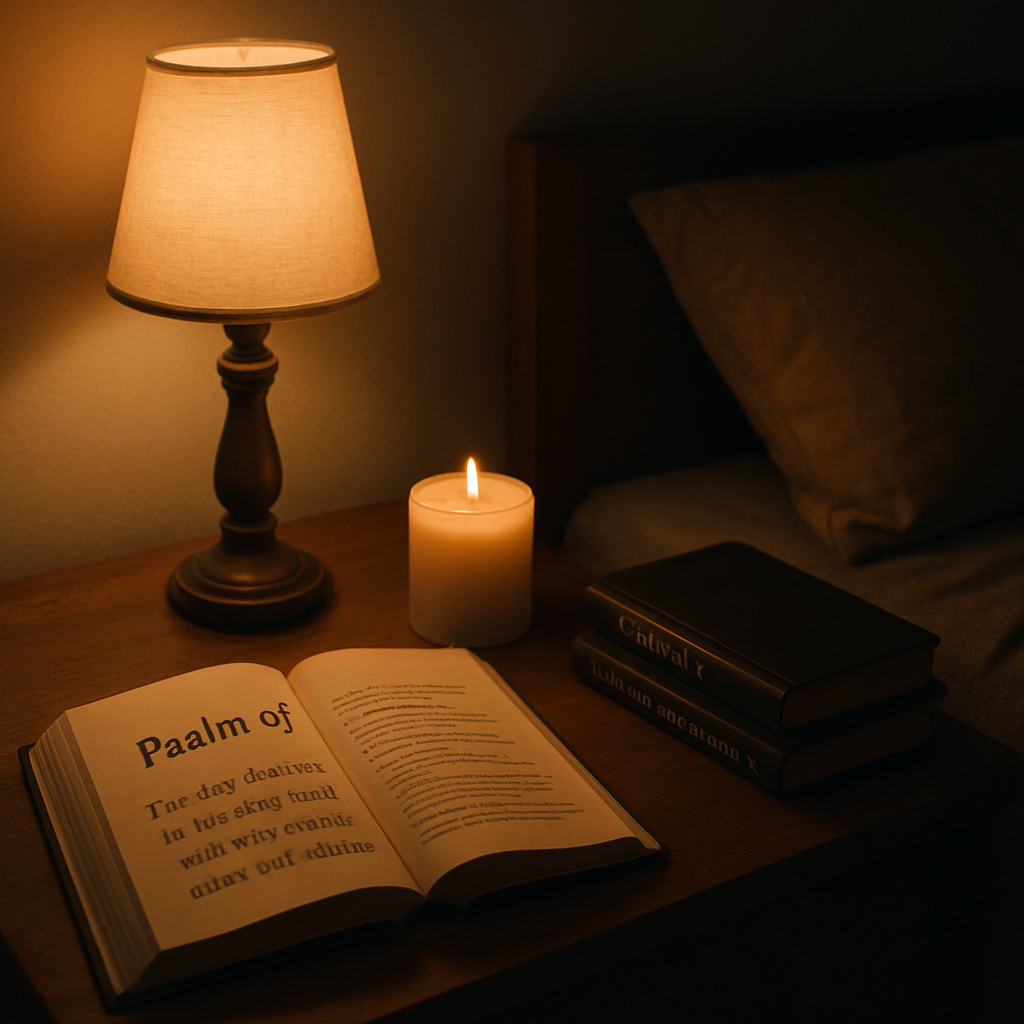
That’s step one: a heart and space primed for the Psalm 91 prayer. When the environment feels safe, the prayer becomes more than words—it becomes a lived experience of God’s shelter.
Step 2: Recite the Psalm 91 Prayer Correctly
Alright, you’ve set the scene – dim lights, a soothing scent, a quiet corner. Now the real work begins: speaking the Psalm 91 prayer in a way that feels genuine and powerful.
Pick a Pace That Feels Natural
Don’t rush. Start with a slow inhale, let the breath settle, then begin with verse 1: “Whoever dwells in the shelter of the Most High will rest in the shadow of the Almighty.” Speak each word as if you’re sharing a secret with a close friend. If you stumble, that’s okay – pause, smile, and keep going. The rhythm matters more than perfection.
Does a steady tempo actually help? Many believers report that a measured pace calms the nervous system, kind of like a lullaby for the soul. Try counting “one‑two‑three” in your head as you move from verse to verse; it keeps the flow smooth.
Personalize the Prayer
After the first two verses, insert a line that reflects your own night‑time worries. For example, “Lord, keep my thoughts calm and my sleep peaceful tonight.” The personalization anchors the ancient text to your present reality, making the protection feel tangible.
Here’s a quick template you can copy:
- Verse 1‑2 (read slowly)
- Your heartfelt line
- Verse 3‑4 (read slowly)
- Another personal line, if you like
Feel free to repeat a line that resonates, like “under His wings you will find refuge,” until you feel the words settle into your heart.
Use a Physical Cue
Some people find it helpful to place their hand over their heart or gently tap the Bible cover with each phrase. The tactile cue reinforces the spoken prayer and signals to your brain that you’re entering a protected space.
Even a simple candle flame can act as a visual cue. As the wax melts, imagine the flame guarding you, echoing the promise in verse 5: “You will not fear the terror of night.”
Check Your Intention
Before you finish, ask yourself: “Am I speaking this with trust?” If doubt creeps in, acknowledge it – “I’m not sure this will work, but I’m choosing to trust God.” That honest admission deepens the connection.
Need a deeper dive into how divine protection works? offers a short guide that expands on the spiritual shield described in Psalm 91.
Bonus: A Real‑World Example
Maria, a single mom of two, struggled with nighttime anxiety after a recent move. She started reciting Psalm 91 each night, adding the line, “Lord, keep my children safe in their dreams.” After two weeks, she noticed she fell asleep faster and woke up feeling less jittery. She credits the ritual for giving her a “spiritual night‑light.”
Another example: James, a college student, pairs the prayer with a 5‑minute journaling habit. He writes down one fear, then speaks the Psalm aloud, feeling the words dissolve his worry. The combination creates a concrete “release” point for his stress.
If you’re curious about how a well‑designed home environment supports spiritual routines, check out this practical guide on farmhouse kitchen renovations – it surprisingly touches on creating calm spaces that nurture prayerful moments: farmhouse kitchen renovations guide.
So, grab your Bible, settle your breath, and let the Psalm 91 prayer flow naturally. The goal isn’t a flawless recital; it’s a heartfelt invitation for God’s protection to settle over you as you drift into sleep.
Step 3: Incorporate Breath and Visualization (Video)
Now that you’ve got the words of Psalm 91 on your tongue, the next secret weapon is your breath and a simple visual cue – and you can even follow a quick video to keep you on track.
Why breath matters
Ever notice how a deep inhale can quiet a racing mind? That’s not magic; it’s your nervous system hitting the “reset” button.
When you sync each line of the prayer with a slow breath, you’re literally slowing down the stress hormones that keep you up.
Try this: inhale for a count of four, hold for two, then exhale for six. As you breathe out, picture the verse “under His wings you will find refuge” wrapping around you like a soft blanket.
Visualization made easy
Visualization works best when it’s vivid.
Imagine a gentle golden light spilling over your ceiling, forming a protective dome. Each time you finish a verse, let that light grow a little brighter, sealing the edges of the dome.
And here’s a tiny trick – picture the light as a ripple on water. When you exhale, see the ripple expand, sweeping away any lingering worry. It’s a tiny mental movie that your brain accepts as real, so you drift off calmer.
Follow the video cue
If you’re the kind of person who likes a visual guide, hit play on the short video below. It walks you through one full round of breathing, reciting, and visualizing in about three minutes. No fancy equipment needed, just your phone or laptop on the nightstand.
While the video runs, keep your phone on silent, close your eyes, and let the narrator’s calm voice be the metronome for your breath. If a thought pops up – “Did I lock the door?” – simply acknowledge it, then gently guide your focus back to the light and the verse.
Quick checklist before you start
- Set a timer for 3‑5 minutes so you don’t watch the clock.
- Choose a comfortable seated position – a pillow on the floor works fine.
- Have your Bible or printed Psalm 91 nearby for a quick glance.
- Turn off bright overhead lights; a dim lamp or night‑lamp is ideal.
When the timer buzzes, you’ll have completed a full breath‑visualization cycle. Take a moment to notice how your chest feels – is it a little less tight? Do you sense a faint sense of peace? That’s your body telling you the prayer is doing its work.
Want to deepen the practice? Pair this routine with a short journaling prompt from Charlene Murray’s “Divine Releases” e‑book – just jot down one fear, then let the breath and light dissolve it. Over time the habit becomes a nightly “spiritual reset” that protects you just as Psalm 91 promises.
So, press play, breathe, see the light, and let the night’s worries melt away. You’ve now added a powerful, science‑backed layer to the psalm 91 prayer for protection at night.
Step 4: Compare Traditional vs. Modern Night‑Protection Practices
Okay, you’ve already set the mood and whispered the verses. Now it’s time to see how the old‑school approach stacks up against the newest tools we have at our fingertips.
Traditional protection is all about the Word. You lean on the promise of Psalm 91, recite the verses, maybe light a candle, and feel the ancient shield wrap around you. Modern protection? Think ambient sound, smart‑phone timers, and even guided visualizations that sync with your breath.
What’s the core difference?
In the classic method, the focus is purely spiritual – the psalm itself is the “night‑light.” In the tech‑savvy version, you add a layer of sensory grounding to help your brain accept the prayer’s truth.
So, does adding a timer or a calming playlist dilute the power of the prayer? Not at all. It actually helps your nervous system stay calm long enough for the words to settle.
Side‑by‑side snapshot
| Aspect | Traditional Practice | Modern Practice |
|---|---|---|
| Scripture Focus | Recite Psalm 91 verse‑by‑verse, often aloud. | Play a recorded reading of the psalm while you breathe. |
| Physical Elements | Candle, night‑lamp, or a simple cross. | Soft LED light, aromatherapy diffuser, or a white‑noise app. |
| Sensory Aid | Silence or soft hymns in the background. | Guided breath‑visualization videos (5‑minute timer) that sync with each line. |
Notice how the modern set‑up still honors the same verses but gives your body a little extra help to stay relaxed.
Let’s bring a real example to life. Maria, the single mom from Step 3, started using a phone timer set for three minutes. She’d read verses 1‑2, inhale as she pictures a protective feather, exhale while visualizing a gentle glow. The timer beeped, reminding her to pause, breathe, and repeat. After two weeks she reported falling asleep faster and waking up feeling “actually safe,” not just hopeful.
And here’s another story: James, a college student, pairs the psalm with a low‑frequency binaural beat. He says the beat keeps his mind from wandering, so the prayer stays “locked in” longer. He’s noticed fewer midnight anxiety spikes.
Does this mean you should ditch the candle? Not necessarily. Many people find the flicker of a candle to be a tangible reminder of God’s presence. The key is to blend what feels sacred with what calms the nervous system.
Quick tip: start with the pure prayer for a night, then experiment. Try a scented oil, a soft playlist, or a short video that guides you through each verse. If something feels distracting, drop it. The goal is a seamless flow where the psalm does the heavy lifting.
Feeling stuck about which tech tool to add? Look for free apps that let you set a custom timer and play a calming soundtrack. You don’t need a pricey meditation suite—just a reliable timer and a voice recording of the psalm.
Bottom line: the ancient “psalm 91 prayer for protection at night” remains the heart of the practice. Modern accessories are merely helpers that keep your body and mind aligned with that promise.
Ready to test the combo? Pick one sensory upgrade tonight—maybe a lavender diffuser or a 3‑minute timer—and notice how the prayer feels after a week.
For those who want deeper assurance, the Psalm 91 website explains why this prayer is considered one of the most powerful protection prayers in the Bible. Use that confidence as your foundation, then layer on the modern tricks that work for you.
Step 5: Add Scripture‑Based Blessings (Image)
Now that you’ve got the words and breath work in place, the next gentle upgrade is to sprinkle a visual blessing onto your night‑time space. Think of it as the digital “prayer card” you can glance at before you drift off.
Why a Scripture‑Based Image Helps
Our brains love a quick visual cue. When you see a verse or a simple graphic, it triggers the same calm response as hearing the words out loud. It’s like a little lighthouse that reminds you of God’s promise without you having to read the whole psalm again.
And you might wonder, “Does a picture really add anything?” The answer is yes—research‑backed habit‑stacking shows that pairing a visual prompt with a spoken prayer reinforces the memory trace, making the protection feel more real each night.
Pick Your Blessing Text
Start with a short, powerful line from Psalm 91. For example:
- “Under His wings you will find refuge.”
- “No terror will come near your dwelling.”
- “God is my refuge and fortress, my God, in whom I trust.”
You can pull inspiration from a full prayer like the one shared by Kim Ellison, which blends gratitude, trust, and a request for angelic watch‑over — a great template you can trim down for an image from Shanklin Ministries.
Create the Image
Grab a free design tool (Canva, Adobe Express, or even PowerPoint). Set the canvas to your phone’s lock‑screen dimensions. Paste the verse, choose a calm font, and add a soft background—maybe a night‑sky gradient or a simple candle flame.
Pro tip: keep the color palette muted. Too much contrast can actually jolt your brain awake.
Does it feel overwhelming to design? No worries—just use a template, swap the text, and you’re good to go.
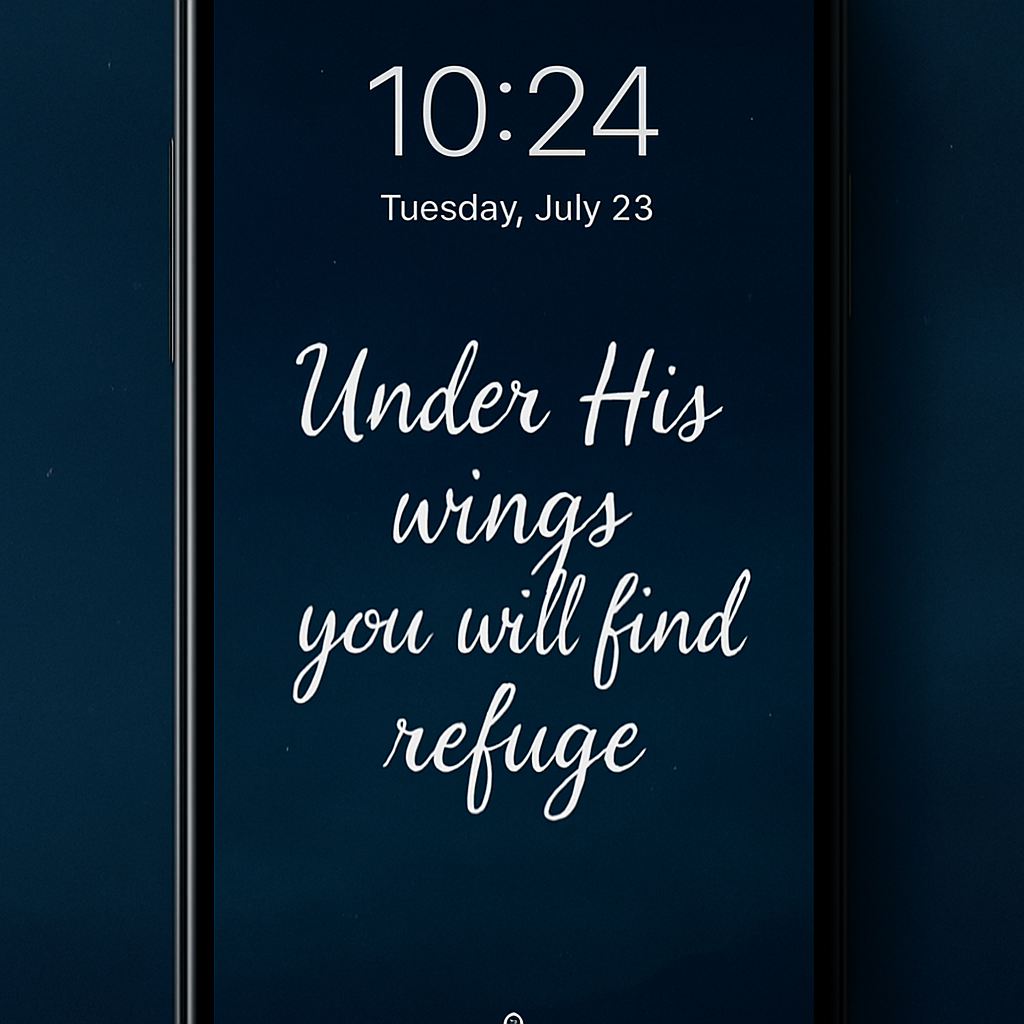
Make It Part of Your Routine
1. Set the image as your lock‑screen wallpaper before bedtime.
2. When your phone lights up at night, let the verse be the first thing you see. Say the line silently, then continue with the full Psalm 91 prayer.
3. If you miss a night, simply tap the image again in the morning and reset your intention.
4. For an extra layer, pair the visual with a quick journal note—write down one fear and seal it with the verse. A Lemon8 post on bedtime prayer routines mentions how a short journal entry can solidify the night’s blessing on Lemon8.
So, what’s the next step? Choose your favorite line, design the image, and let it greet you each night. In just a few minutes you’ll have a tangible reminder of God’s protection that sits right on the device you already reach for before sleep.
Give it a try tonight and notice how the simple visual cue deepens the sense of safety that Psalm 91 already provides.
Step 6: Keep a Night‑Prayer Journal
Ever notice how a quick note can turn a fuzzy feeling into something concrete? That’s exactly what a night‑prayer journal does for the psalm 91 prayer for protection at night.
First, grab a small notebook or a printable PDF you can keep on your nightstand. It doesn’t have to be fancy—just something you’ll reach for without thinking twice.
Set Up Your Journal in Three Simple Steps
1. Write the date at the top. A quick “Nov 21, 2025” anchors the entry in time.
2. Jot down one specific fear or worry that’s been looping in your mind. Maybe it’s “I’m anxious about tomorrow’s meeting” or “I’m scared of the dark hallway.” Naming it makes it real.
3. Follow with a short version of the psalm 91 prayer, personalizing it. For example, “Lord, under Your wings I find refuge; keep my heart calm tonight.”
Does that feel a bit cheesy? Not at all. Writing it in your own words creates a direct line between your heart and God’s promise.
How to Use the Journal Right Before Sleep
When the lights dim, open to the last entry. Read the fear you wrote, then say the personalized psalm out loud or in your head. After you’ve spoken it, cross out the fear or place a tiny check‑mark next to it.
That little action tells your brain, “I’ve handed this worry over.” It’s a tiny ritual that signals the night is safe for rest.
And what if a new worry pops up in the middle of the night? Grab the journal, scribble it down, and repeat the prayer. You’ll often find the anxiety fades faster because you’ve already externalized it.
Tips to Keep the Habit Fresh
‑ Keep the journal by your pillow, not hidden in a drawer. Visual proximity nudges you to use it.
‑ Use a different pen color for each week. The change adds a subtle novelty that keeps you engaged.
‑ If you’re a visual person, add a tiny doodle of a shield or a feather—anything that reminds you of protection.
‑ Set a phone alarm for “journal time” 10 minutes before you plan to sleep. The reminder is a gentle nudge, not a harsh buzz.
So, how does this actually help you rest? By converting abstract fear into words, you give your nervous system a clear “stop” signal. The repeated rhythm of writing, praying, and checking off creates a mental cue that says, “It’s okay to let go.”
Want a ready‑made template? You can download a free printable from Charlene Murray’s site, which includes prompts for each night and space for your personal prayer.
Give it a try tonight: write, pray, and mark that fear away. In just a few days you’ll notice the night feels less like a battlefield and more like a quiet room where the psalm 91 prayer for protection at night truly lights the way.
FAQ
What is the best way to start the psalm 91 prayer for protection at night?
Begin by dimming the lights and taking a slow breath. Let your heart settle for a minute before you open your Bible to verses 1‑2. Speak the words softly, as if you’re sharing a secret with a close friend. Adding a personal line—like “Lord, keep my mind calm tonight”—helps the ancient promise feel immediate and real. The key is a calm setting, not a perfect cadence.
How long should I recite the psalm each night?
There’s no hard rule, but most people find 3‑5 minutes works well. If you’re rushed, just read the first two verses, pause, and repeat your personal line. The rhythm matters more than the length; a brief, sincere recitation can still trigger the brain’s relaxation response. Over time you can extend the prayer as it becomes a natural part of your bedtime routine.
Can I combine the psalm 91 prayer with modern tools like a timer or a calming playlist?
Absolutely. A gentle timer reminds you when to pause for a breath, and a soft instrumental track can mask distracting noises. The modern aid doesn’t replace the scripture—it simply creates a smoother path for your nervous system to settle. If the music feels intrusive, turn it off; the goal is a seamless flow where the psalm remains the heart of the practice.
What if anxiety spikes in the middle of the night?
Grab your journal or a scrap of paper, jot down the worry in a few words, and then repeat the psalm’s promise out loud. Crossing out the fear or adding a check‑mark signals to your brain that the concern has been handed over. This quick “write‑then‑pray” loop often calms the mind faster than trying to force sleep without acknowledgment.
Is it okay to pray the psalm out loud if I have roommates?
Sure thing. A soft whisper works just as well, and many find that the gentle murmur feels like a personal lullaby. If you’re worried about disturbing others, try mouthing the words silently while still focusing on the breath and visualization. The intention behind the words is what carries the protective power, not the volume.
How can I tell if the psalm 91 prayer is actually helping my sleep?
Track simple metrics: note how long it takes to fall asleep, whether you wake up less often, and how refreshed you feel in the morning. A quick journal entry each day can reveal patterns—maybe you’re drifting off three minutes quicker after a week of consistent prayer. These tiny data points are proof that the ritual is reshaping your nighttime mindset.
Should I use a specific Bible translation for the prayer?
Any translation that feels clear to you will work. Some prefer the poetic cadence of the KJV, while others like the modern language of the NIV. The most important thing is that the words resonate in your heart. If a line feels stiff, paraphrase it in your own language—just keep the core promise that God’s protection is present.
Conclusion
We've walked through how the psalm 91 prayer for protection at night can become a simple, heart‑centered bedtime ritual.
First, you set the space—dim lights, a breath, a quiet spot. Then you let the verses flow, adding a personal line that speaks your own worries.
Next, you layer breath, visualization, maybe a timer or a soft scent, and you seal it with a visual cue or a quick journal entry.
All those pieces work together like a gentle night‑light, calming the nervous system and reminding you that God's promise is right beside you.
What to do tonight
Pick a verse, inhale for four counts, exhale while picturing a golden shield, whisper your own line, and jot a one‑sentence note in a journal.
If you notice you fall asleep faster after a week, you’ve confirmed the habit is shifting your mindset.
So, keep the routine light, stay honest with any doubts, and trust that the ancient promise is doing the heavy lifting while you rest.
Give it a try tomorrow night—your sleep, your spirit, and your peace will thank you.