

Spiritual Disciplines for Beginners List: 12 Essential Practices to Start Your Faith Journey
Ever found yourself scrolling through endless articles on spiritual growth, feeling like you’re missing a simple starter kit? You’re not alone—most newcomers wonder how to turn lofty ideas into daily habits. That’s why a clear spiritual disciplines for beginners list can feel like a lifesaver.
Think about the last time you prayed and then drifted back into the noise of the day. That gap between intention and action is exactly what the early disciplines aim to bridge. They’re everyday practices you can weave into coffee‑break moments without feeling forced.
So, what does a beginner‑friendly list actually look like? Imagine a handful of habits that gently coax your heart toward God without demanding a full‑time retreat. We’ll walk through prayer, Scripture reading, quiet meditation, simple fasting, and community sharing—each broken into bite‑size steps.
Prayer doesn’t have to be a monologue. Start with a two‑minute whisper before you check your phone, thanking Him for the day’s small wins. Those minutes grow, and you’ll notice a quiet confidence blooming in the ordinary.
Scripture reading can feel intimidating if you picture a marathon. Instead, pick one verse each morning, let it sit with you over breakfast, and jot a quick thought. That tiny habit builds a steady stream of wisdom.
Quiet meditation isn’t reserved for monasteries. Sit on the edge of your couch, close your eyes, and focus on a simple phrase like “Your peace surrounds me.” Even three minutes can reset your spirit and sharpen your listening ear.
Fasting for beginners is about creating space, not starving yourself. Try skipping dessert for a week or giving up a scrolling habit, then pair it with a prayer of gratitude. You’ll discover how a little hunger sharpens awareness of God’s provision.
If you want deeper guidance, Charlene Murray’s e‑books—like the “Adam” guide or the “Angels” collection—offer step‑by‑step reflections that complement this list. Grab one, pick a discipline, and commit to it for seven days; watch how your everyday rhythm begins to change.
TL;DR
This practical spiritual disciplines for beginners list gives you bite‑size habits—like a two‑minute prayer, a single verse, a brief meditation, and a simple fast—to weave God’s presence into everyday moments.
Start today, follow the step‑by‑step guide, and watch your faith deepen as ordinary routines become powerful spiritual anchors for you.
Discipline 1: Prayer – Connecting with God Daily
Ever notice how the day slips by before you even get a chance to talk to God? You’re not alone—most of us get caught up in the rush, and that quiet "just a minute" prayer ends up feeling like a myth.
But what if prayer could be as natural as checking your phone? Think about the moments you already pause: waiting for coffee to brew, sitting in traffic, or scrolling before bedtime. Those tiny pauses are perfect launch pads for a daily connection.
1️⃣ Start Small: The Two‑Minute Whisper
Set a timer for 120 seconds. When it dings, whisper a quick thank‑you for something specific—maybe the sunrise, a friendly smile, or even that stubborn Wi‑Fi that finally worked. No need for eloquence; just speak like you would to a close friend.
Notice how your heart shifts? That’s the spark. When you repeat this for a week, you’ll start sensing a subtle calm that lingers long after the timer stops.
2️⃣ Build a Rhythm: Anchor Your Prayer
Pick a recurring cue: the first sip of morning coffee, the moment you close your laptop, or the sound of the front door closing. Pair that cue with a short phrase—"God, thank you for this day"—and let it become automatic.
Over time the cue triggers a prayer habit without you even thinking about it. It’s like muscle memory, but for your soul.
3️⃣ Make It Conversational
Don’t treat prayer like a monologue. Ask questions, share worries, laugh about the silly stuff. You might say, "Hey God, I’m nervous about that interview—can you give me peace? And maybe a good coffee too." The honesty makes it real.
And if you’re not sure what to say, just pause and listen. Sometimes the best part of prayer is the silence that follows.
Want a quick reference for more simple disciplines? Check out Spiritual Disciplines List - Soul Shepherding for a concise rundown that fits right into this habit.
That short video walks you through a three‑step prayer routine you can try right now. It’s visual, so you can see the flow and then copy it into your own day.
After you try the video, give yourself a moment to notice any shift in mood. Even a tiny change is proof that the habit is working.
If you’re looking for inspiration beyond the spiritual side—maybe a beautifully designed journal or a sleek website layout—take a peek at GHO Sydney. Their brand experience work can spark ideas for how you present your own prayer notes or digital devotionals.
Now, let’s make it stick. Grab a notebook or open a note app, and write down three quick prompts you’ll use for the next week: gratitude, request, and listening. Keep it beside your coffee maker or phone so it’s always within reach.
When you finish a week, reflect: Did you feel more centered? Did you notice God’s presence in ordinary moments? If the answer is yes, celebrate that small victory—maybe with a favorite song or a walk outside.
Ready to level up? Add a second minute of listening after your whisper. Sit quietly, breathe, and imagine God’s calm filling the space. That extra pause often turns a quick check‑in into a deeper encounter.
Remember, the goal isn’t perfection; it’s connection. One breath, one sentence, one moment at a time.
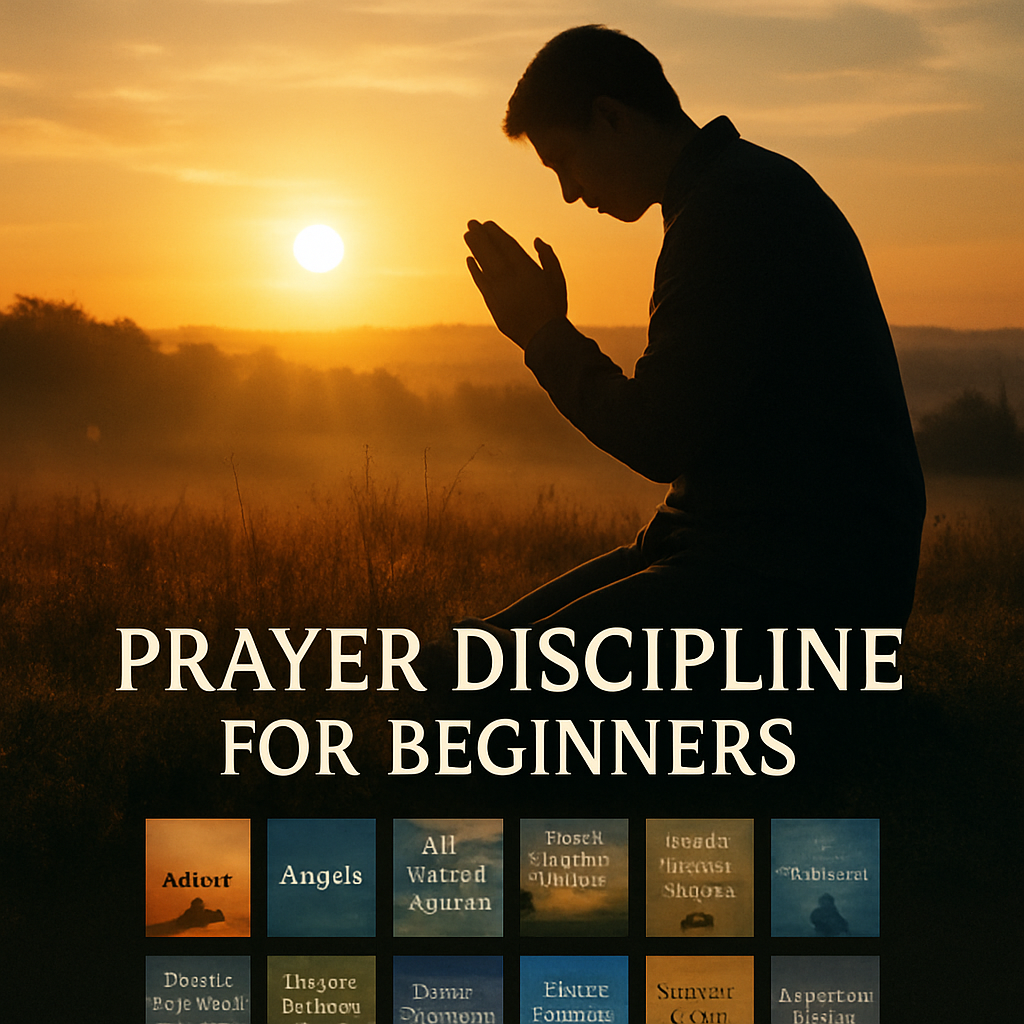
Discipline 2: Scripture Meditation – Engaging the Word
Ever feel like the Bible is a wall of text you skim past while making coffee? You’re not alone. The good news is that Scripture meditation can be as simple as a quick pause, and it fits perfectly into a spiritual disciplines for beginners list.
1. Pick One Verse and Let It Marinate
Start with a single sentence—maybe Psalm 23:1 or John 3:16. Read it aloud, then let it sit while you sip your morning brew. Notice what emotions surface. Does “The Lord is my shepherd” make you feel protected? That tiny moment of curiosity is the seed of meditation.
And if you’re wondering why a single verse matters, Soul Shepherding explains that disciplines are bodily activities that engage our whole person, not just our mind.
2. Breathe the Word
Take the verse, break it into three short phrases, and sync each phrase with a slow inhale and exhale. For example, inhale “The Lord is,” exhale “my shepherd,” inhale “I shall not,” exhale “want.” The rhythm pulls the Scripture into your body, making it feel less like reading and more like a prayerful heartbeat.
It sounds a bit goofy, but try it during a bathroom break. You’ll be surprised how quickly the words settle into your thoughts.
3. Visualize the Scene
Close your eyes and picture the picture the verse paints. If it’s “He leads me beside still waters,” imagine the cool water, the gentle sound, the calm air. Let the scene fill your senses—what do you hear, smell, feel? This sensory detail turns abstract text into a lived experience.
When you open your eyes, jot a single word that captures the feeling. That word becomes a reminder you can glance at later in the day.
4. Write a Mini‑Reflection
Grab a sticky note or the back of a receipt and write a one‑sentence response: “Today I trusted God’s guidance because…” Keep it short, honest, and specific. Over a week you’ll have a mini‑journal of how God’s Word is moving you.
Don’t worry about perfect prose—just the raw thought. It’s like a quick text message to yourself.
5. Use Audio as a Prompt
If you’re a multitasker, set a soft‑spoken audio clip of your chosen verse to play during a regular activity—maybe while you’re washing dishes or walking the dog. The spoken word catches your ear and nudges you back into meditation without stealing the moment.
After the clip, pause for a breath and ask, “What does this mean for me right now?” That question bridges the gap between hearing and heart.
So, what’s the next step? Choose a verse, set a timer for three minutes, and try one of these tricks today. You’ll notice the Word becoming a companion rather than a chore.
Give yourself permission to be imperfect. Scripture meditation isn’t about reciting perfectly; it’s about letting God’s truth settle in the messiness of your day. When you make this a habit, you’ll find the whole spiritual disciplines for beginners list starts to click together—prayer, reading, fasting, all feeding each other.
Discipline 3: Fasting – Practicing Spiritual Self‑Control
Okay, you’ve got prayer and Scripture meditation under your belt. Now it’s time to bring a little hunger into the mix—not the kind that makes you moan at the fridge, but the kind that sharpens your soul.
1. Pick a “mini‑fast” that feels doable
Start with something you can actually stick to, like skipping dessert for a week or giving up scrolling through social media during dinner. The goal isn’t to starve yourself; it’s the kind that creates a small gap where God can step in.
2. Tie the fast to a specific prayer or intention
Before you begin, write down one sentence that captures why you’re fasting—maybe “I want to hear God’s direction for my next career move.” Every time the craving hits, glance at that sentence and let it pull your heart back to the purpose.
3. Use a visual cue to remind you
Put a sticky note on the kitchen counter that says “Fast = Focus.” When you see it, take a breath, thank God for the space, and ask, “What am I missing right now?” The cue turns an abstract habit into a concrete moment.
4. Journal the “hunger” moments
Whenever you notice a sudden urge—like the urge to snack or the urge to check your phone—write a quick note: “Feeling restless, asking God for peace.” Over a few days you’ll see a pattern, and that pattern becomes a map of where the Spirit is trying to lead you.
5. Ease out gently, don’t crash
When the fast ends, re‑introduce food or habits slowly. A good rule of thumb is to add one small thing back every day. This prevents a roller‑coaster swing and keeps the spiritual momentum you’ve built.
While you’re fasting, use the empty moments as prayer windows. A simple “Lord, fill the gap” whispered between tasks can turn a snack craving into a conversation with God. You might even set a three‑minute timer each afternoon to sit still, breathe, and listen. Those quiet seconds become the “spiritual snack” that satisfies the same longing the fast is exposing.
So, does fasting really move your spirit? Jake Kail points out that fasting “intentionally prioritizes the spirit over the soul and body,” helping believers “draw near to God, and receive spiritual breakthrough.” Read more about the spiritual benefits of fasting. That’s why even a tiny 24‑hour fast can feel like a reset button for your inner life.
Here’s a quick cheat‑sheet you can print and stick on your fridge. Pick the fast that speaks to you, set the duration, and note the spiritual focus you want to cultivate.
| Fast Type | Duration | Spiritual Focus |
|---|---|---|
| Skip dessert | 7 days | Gratitude for God’s provision |
| Social‑media pause | 48 hours | Listening for God’s still small voice |
| Water‑only day | 24 hours | Dependence on God’s “living water” |
Ready to give it a try? Choose one of the three options above, set a timer on your phone, and write that one‑sentence intention before you start. You’ll be surprised how a little self‑control opens up space for God to speak.
Remember, this is just one piece of the spiritual disciplines for beginners list. When you pair fasting with prayer and Scripture meditation, they feed each other like a balanced meal—each one makes the others more satisfying.
Give yourself a week, notice the cravings, and watch how the same hunger you feel in your stomach becomes a reminder to seek God’s deeper nourishment. Trust that the habit will grow stronger each day.
Discipline 4: Worship – Expressing Love Through Song
Ever notice how a favorite hymn can make your heart feel like it just got a hug? That's the power of worship through song—simple, messy, and utterly human. If you're scrolling through our spiritual disciplines for beginners list, this is the part where your voice gets a workout.
1. Turn everyday moments into a mini‑concert
Think about the shower. The steam, the water, the echo—it’s practically a built‑in reverb chamber. Pick a line that speaks to you, sing it out loud while you lather up. No need for perfect pitch; the point is to let gratitude spill out of your mouth instead of staying bottled up.
2. Build a “heartbeat” playlist
Grab the songs that make you feel closer to God—maybe a contemporary worship track, a classic hymn, or even a soulful gospel piece. Put them in a 10‑minute loop you can hit during a commute or a coffee break. Over time you’ll notice a pattern: certain melodies become triggers for prayer, for peace, for a quick lift when the day gets heavy.

3. Keep a lyric journal
When a phrase sticks—“Your love is louder than my doubts,” for example—jot it down on a sticky note or in a small notebook. Write a one‑sentence thought: “That line reminds me to trust God when anxiety spikes.” Revisiting those notes later feels like a personal worship anthology.
4. Pair a song with a short prayer
Pick a verse that matches the theme of the song. As the chorus fades, pause and speak a quick prayer that mirrors the lyric. If you’re singing “Great is Thy Faithfulness,” you might whisper, “Lord, thank you for your steady love today.” This tiny habit fuses music and prayer into one seamless flow.
5. Join a virtual sing‑along
There are dozens of free livestream worship sessions on YouTube or Facebook. Jump in with a cup of tea, mute when you need to, and let the community’s voice lift yours. The shared experience reminds you that worship isn’t a solo act; it’s a chorus of believers echoing the same love.
6. Learn a simple hymn on an instrument
You don’t need a music degree—just a guitar, keyboard, or even a ukulele. Pick a three‑chord hymn like “Amazing Grace,” learn the chord progression, and play it slowly while you read the lyrics. The physical act of strumming turns worship into a tactile meditation.
If you like tech, try a simple worship app that lets you loop a favorite chorus and display the lyrics on your phone. The visual cue helps your mind stay focused, and you can easily switch tracks as your mood changes throughout the day.
7. Make a family worship moment
Invite your kids, partner, or roommates to pick a song and sing together around the dinner table. Keep it casual: one person hums, another claps, someone else adds a lyric line. The laughter that follows is a reminder that worship can be joyful and messy, just like real life.
So, what’s the next step? Choose one of these ideas, set a timer for five minutes, and start singing—no studio, no audience, just you and the God who loves the sound of your heart. When you make music a regular part of your spiritual disciplines for beginners list, you’ll find that love isn’t just felt; it’s heard.
Discipline 5: Service – Living Out Faith in Action
Service feels a little different from prayer or fasting—it’s the moment you step out of your comfy routine and meet the world face‑to‑face. If you’ve been ticking off the first four items on our spiritual disciplines for beginners list, you’ll notice a tug: “What do I do with all this love?” That’s where service steps in, turning inner devotion into tangible help. It’s the bridge between what you feel inside and what the world actually experiences, and it can be as simple as a smile.
1. Start with a five‑minute “kindness sprint”
Pick a tiny window—while your coffee brews—to do one good deed. Hold the door, send a quick text, or clear a few dishes. The goal is proof that service can start in a breath.
2. Volunteer where you’re already present
Look at places you already spend time—work, school, gym. Offer to set up a meeting, chaperone a field trip, or hand out water after class. Being useful where you’re planted removes the “extra effort” excuse.
3. Create a “service jar” for family
Grab a mason jar and fill it with slips that suggest simple acts—call Grandma, bring lunch to a coworker, pick up groceries for a neighbor. When the jar empties, you’ve built a habit bank the whole family can draw from.
4. Pair service with Scripture
Choose a verse about love in action—James 2:17 works well. Stick the verse on your keys. Each time you grab them, let the reminder spark a quick act of service, tying the discipline to Scripture.
5. Use a “service timer”
Set a ten‑minute timer during a lull in your day. In that span, write a thank‑you note, organize a drawer for a sibling, or call a quiet friend. The timer adds urgency and stops you from scrolling. You’ll be surprised how that ten‑minute burst can shift your entire afternoon mindset.
6. Join a micro‑mission group
Many churches host one‑hour “micro‑missions” that clean a park, serve at a pantry, or assemble care packages. The short commitment makes saying yes easy, and the group vibe adds encouragement.
7. Turn a hobby into a helping hand
If you love baking, drop a batch of cookies at a neighbor’s door. If you’re handy, fix a leaky faucet for a friend. Your skill becomes a shortcut to service, and you enjoy the process.
8. Reflect on the impact
After each act, jot a one‑sentence note: “I helped Mrs. Lee carry groceries, and she smiled like she’d been waiting for that all day.” Over a week you’ll see how tiny gestures ripple outward.
9. Keep the momentum with a weekly “service check‑in”
Pick a day—Sunday evenings work well—to review what you did, celebrate wins, and plan next week’s sprint. If you’re stuck, ask: “What’s one thing I can do tomorrow that aligns with my faith?”
Remember, service isn’t about checking a box; it’s about embodying the love you’re already hearing in prayer and Scripture. As Revive Our Hearts explains, spiritual disciplines are practical habits that re‑orient us toward Christ, and serving others is the most visible expression of that re‑orientation.
So, what’s the next step? Grab a sticky note, write “serve 5 min today,” and set a timer. The first act may feel awkward, but the habit will smooth out. Before long, service will feel as natural as breathing—and your entire spiritual disciplines for beginners list will start humming together. And remember, every small act adds up, creating a ripple that points others back to the same source of love.
Discipline 6: Fellowship – Building Community Support
When you’ve been praying, reading, fasting, worshiping, and serving, something still feels missing: the feeling that you’re part of a tribe that’s actually walking the journey with you. That’s where fellowship steps in, and it belongs right there in our spiritual disciplines for beginners list.
1. Schedule a “Coffee‑Chat” Check‑In
Pick a regular time—maybe Thursday mornings after work—and invite one or two friends for a quick coffee (or tea, or juice). The goal isn’t a deep theological debate; it’s a simple “How’s life?” moment that reminds you God is speaking through people, not just Scripture.
And if you’re nervous, just start with a question like, “What’s one small win you had this week?” You’ll be surprised how that one sentence can spark a whole ripple of encouragement.
2. Create a Shared Prayer Board
Grab a corkboard, a digital note app, or even a shared Google Doc. Write down each person’s prayer need and update it weekly. When you see “Mike’s job interview” or “Lena’s health test,” you get an instant prompt to lift them up.
It’s a tiny habit that turns a casual friendship into a spiritual safety net.
3. Host a Mini‑Study Group
Instead of tackling a whole book, pick a short article or a single chapter from one of Charlene Murray’s e‑books—say, the “Adam” guide. Spend 20 minutes discussing what stood out, then linger for a few minutes of informal prayer.
Because the conversation stays focused, you avoid the “lecture” vibe and keep it real.
4. Serve Together Once a Month
Pick a community project—a park clean‑up, a food‑bank shift, or a neighborhood bake‑sale. When you serve side‑by‑side, you build bonds that are harder to break than any Instagram “follow.”
And the best part? You’ll notice the same joy you felt during your solo service moments multiplied by the number of people around you.
5. Use “Story Swaps” to Deepen Trust
During a casual hangout, ask each person to share a short story about a time they felt God’s presence—or even a moment they doubted it. Listen without fixing, just acknowledge.
That vulnerability creates a safe space where everyone feels seen, and it naturally fuels future spiritual growth.
6. Celebrate Tiny Milestones
Did someone finally finish a fast? Did a friend start a new habit from the discipline list? Send a quick “Congrats!” text, or bring a small treat to the next meet‑up. Celebrating the small stuff keeps the momentum alive.
It’s like adding sugar to a cup of coffee—just enough to make the whole experience sweeter.
7. Keep a “Fellowship Journal”
Grab a notebook (or a notes app) and jot down one line after each gathering: what you learned, who you prayed for, and a personal takeaway. Over weeks you’ll see patterns—maybe you’re always drawn to listening, or you keep praying for a particular need.
This simple habit mirrors the journaling discipline highlighted in a recent book review of Spiritual Disciplines of the Christian Life, showing how reflection sharpens our spiritual senses.
So, what’s the next step? Pick one of the ideas above, set a reminder for tomorrow, and reach out to a friend to invite them along. You don’t have to overhaul your schedule; just add a tiny thread that weaves you into a community fabric.
When fellowship becomes a regular beat in your spiritual disciplines for beginners list, you’ll notice that prayer feels louder, service feels lighter, and the whole journey feels less like a solo trek and more like a shared adventure.
FAQ
What exactly is a "spiritual disciplines for beginners list" and why does it matter?
Think of it as a starter kit for the soul—a handful of simple, repeatable habits that help you notice God in the everyday. Instead of trying to overhaul your whole life, you pick one or two tiny practices—like a two‑minute prayer or a single verse meditation—and stick with them for a week. The consistency builds momentum, trains your brain to expect spiritual “check‑ins,” and gradually deepens your relationship without feeling like a chore.
How do I choose which discipline to start with?
Start with the habit that feels the least intimidating right now. If you’re already scrolling your phone a lot, a micro‑prayer during those pauses might be easiest. If you love music, humming a worship line while you wash dishes could be your entry point. Write down three options, rank them by “does this fit my current routine?” and commit to the top choice for seven days. You’ll discover which one clicks before moving on.
Can I do more than one discipline at a time?
Absolutely—but keep the total time under ten minutes a day, especially at the beginning. Pair a short prayer with a verse meditation; the two naturally reinforce each other. If you try to add fasting right away, you might feel stretched thin and quit. The key is layering: once a habit feels automatic, sprinkle in the next one. Think of it like building a sandwich—add one layer, let it settle, then add another.
What if I miss a day? Does that ruin the habit?
Missing a day is normal, not a failure. The goal is long‑term pattern, not perfection. When a slip happens, simply note it in a quick journal—“Missed prayer today, felt busy.” Then reset the next morning with a gentle reminder. Over time you’ll see the missed days become rarer, and the act of acknowledging them actually strengthens the habit because you’re being honest with yourself.
How long does it usually take to feel a real difference?
Most beginners report a noticeable shift after two to three weeks of consistent practice. You might notice calmer nerves before a meeting, or a small spark of joy during a routine task. Those tiny wins add up; after a month you’ll likely feel more “tuned in” to God’s presence, even in mundane moments. If you don’t feel anything after a month, try tweaking the cue or duration—small adjustments can make a big impact.
Do I need any special tools or resources?
Not really—just a phone timer, a sticky note, or a simple notebook. Some people like a printable habit tracker, but the discipline itself is low‑tech. If you enjoy guided reflections, you can later explore Charlene Murray’s e‑books for deeper prompts, but the core habit works without any extra material. The beauty is that the habit lives in your everyday actions, not in a fancy app.
How can I stay accountable without a formal group?
Accountability can be as informal as texting a friend a quick “Did my prayer?” check‑in, or posting a tiny “Done” emoji in a private chat. You could also set a calendar reminder that says, “Did you pause for verse?” The point is to create a gentle nudge from someone (or something) you trust, turning a solo habit into a shared experience.
Conclusion
We've walked through prayer, Scripture meditation, fasting, worship, service, fellowship, and answered the most common questions. By now you probably feel the rhythm of a real "spiritual disciplines for beginners list" settling into your day.
So, what does the finish line look like? It isn’t a flawless performance; it’s a series of tiny wins—like catching a breath of peace before a meeting or noticing a smile after a quick act of service.
If you’re wondering whether to keep going, remember the habit loop we built: cue, action, tiny reward. When the cue shows up—a timer, a sticky note, a song—you already have a shortcut to God’s presence.
And here’s a friendly nudge: pick one habit you’ve tried, write a one‑sentence reflection tonight, and set a reminder for tomorrow. That tiny act turns curiosity into consistency.
Feeling stuck? It’s normal. Tweak the cue, shrink the time, or pair the discipline with something you already love—like listening to your favorite worship track while you wash dishes.
Finally, think of this list as a living toolbox. As you add new habits, you’ll notice they reinforce each other, making your walk feel less like a chore and more like a conversation with God.
Ready to keep the momentum? Grab a notebook, set a timer, and let the next habit start today. Your deeper, more intentional faith is just a few minutes away.