

Understanding the Congregation Meaning in the Bible: A Comprehensive Guide
Ever caught yourself wondering what the word “congregation” really means when you flip through the Bible?
It’s easy to skim past it and think it’s just a fancy term for a Sunday service, but deep down there’s a richer picture that speaks to our need for community and divine purpose.
Think about the first time you walked into a small house church, the hum of voices, the shared prayer—suddenly the word stops feeling abstract and becomes a living experience.
In the biblical context, “congregation” (Hebrew *‘edah* or Greek *ekklesia*) isn’t merely a gathering of people; it’s a group called out by God, set apart to worship, learn, and support one another.
That calling carries weight. When the psalmist writes, “Let the assembly of the righteous be glad,” he’s describing a community that reflects God’s character, not just a social club.
So why does this matter for you, especially if you’re on a journey of spiritual growth and wellness?
If you’re feeling isolated or craving deeper connection, recognizing the original meaning can reshape how you seek fellowship—turning a routine attendance into a purposeful partnership with God and fellow believers.
We often hear “join a congregation” as a suggestion to “find a church,” but the biblical nuance invites you to ask, “Am I part of a community that’s truly called out for God’s work?”
Imagine a circle where every voice is valued, where prayer isn’t a solo act but a shared breath, and where the collective pursuit of God’s will fuels personal transformation.
That’s the promise behind the congregation meaning in the bible: a divine gathering that nourishes the soul, encourages accountability, and amplifies each member’s spiritual gifts.
In our own experience helping individuals seeking counsel, we’ve seen how embracing this biblical view turns lonely evenings into opportunities for spiritual nourishment.
As you read on, we’ll unpack the key passages, explore practical ways to live out this calling today, and point you toward resources that make the journey feel less like a solo trek and more like a shared pilgrimage.
Ready to see how a deeper understanding can transform your weekly meetings into a true gathering of hearts?
TL;DR
Understanding the congregation meaning in the bible reveals how God‑called gatherings transform solitary faith into a supportive, purpose‑driven community that reflects His love and amplifies each believer’s gifts.
By embracing regular fellowship, shared prayer, and accountability—as we outline—you’ll experience deeper spiritual growth, renewed hope, and lasting connection that fuels life.
Historical Context of Congregations in the Old Testament
When you flip back to the earliest chapters of Scripture, the idea of a gathered people isn’t a modern church program—it’s the very heartbeat of Israel’s identity.
Think about the wilderness camp at Mount Sinai. The Israelites weren’t just a crowd of travelers; they were an ‘edah’—a divinely appointed assembly called to hear the Law, worship the cloud, and keep the covenant together.
That moment sets the historical pattern: God gathers a people, gives them a purpose, and expects mutual accountability. The book of Numbers even records the census of the ‘edah’ as a way to organize worship, service, and protection.
And yet, the term evolves. By the time we reach the prophetic books, ‘edah’ sometimes means a nation under judgment or a hopeful restored community. Jeremiah’s lament, “My people is destroyed, because they have forsaken me,” reminds us that the congregation’s health is tied to collective faithfulness.
So, why does this ancient backdrop matter for you today?
Because the same dynamics show up in our modern small groups, online forums, and even wellness circles. When you feel the pull to belong, you’re echoing a pattern that’s been alive for thousands of years.
Here’s a quick way to map that history onto your own gathering:
Key Historical Milestones
• The Patriarchal Family – Abraham’s household functioned as a proto‑congregation, where blessing and promise were shared around a fire.
• The Exodus Camp – The Israelites lived in a mobile ‘edah’, with the Tabernacle at the center, reminding us that physical space isn’t as crucial as shared purpose.
• The Temple Era – Once the Temple stood, worship became institutional, yet prophets like Amos warned that a congregation without justice is just “a building with empty seats.”
Notice the thread? Each stage stresses community, shared worship, and moral responsibility. That’s the core of the congregation meaning in the bible—more than a venue, it’s a covenantal partnership.
Want a concise visual recap? The video below walks through these milestones in under five minutes.
As you watch, notice how each gathering point invites both heart and habit—something we see reflected in modern spiritual coaching tools.
If you’re curious about visualizing your own ‘edah’ today, imagine a circle of friends holding a shared journal, praying over a single candle, and recording insights together. That simple scene captures the ancient rhythm in a contemporary setting.
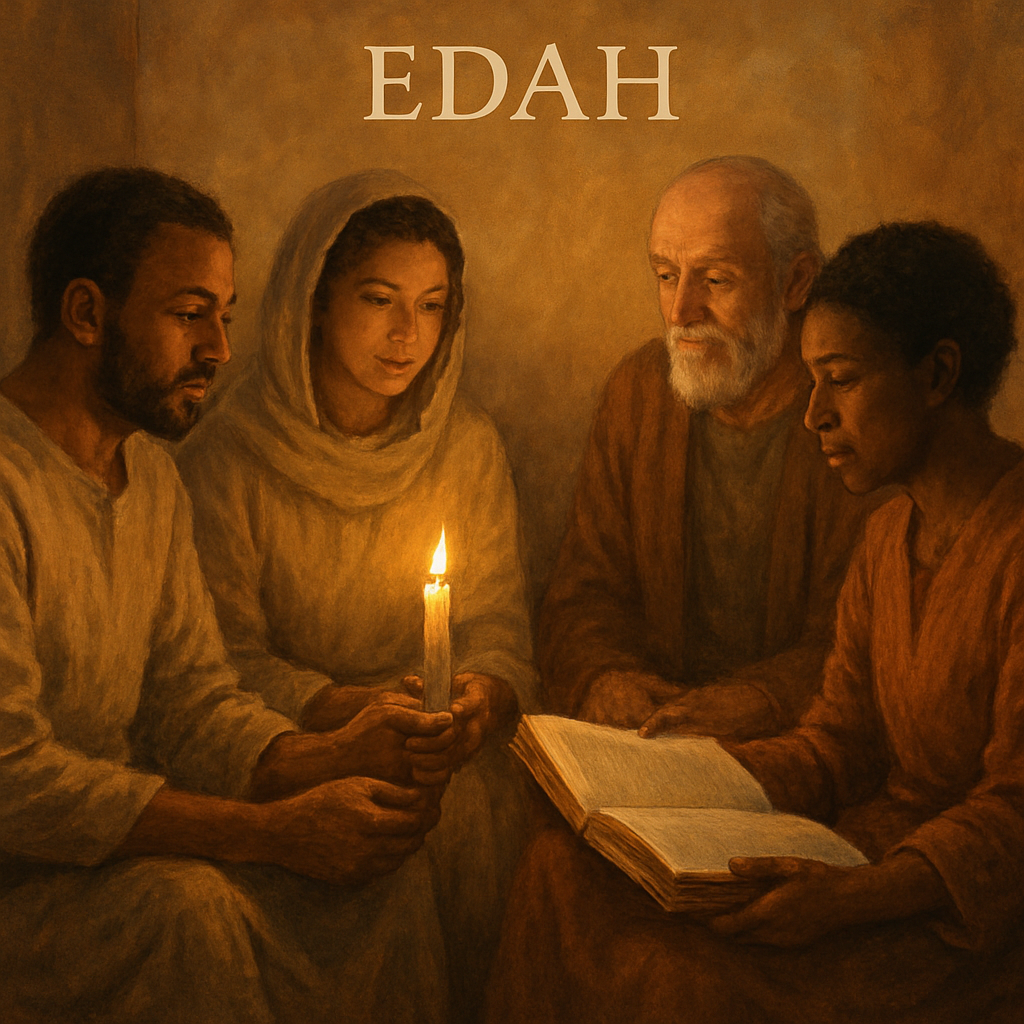
How can you apply that history to your own life? Start by asking, “What purpose does my current group serve?” If the answer leans toward socializing rather than mutual edification, you might be missing the covenantal spark.
A practical step is to set a “purpose‑statement” for your gathering, echoing the Old Testament model: “We gather to seek God’s guidance, hold each other accountable, and celebrate His faithfulness.” Write it down, display it, and revisit it weekly.
If you need a quick tool to summarize your group’s purpose, the YTSummarizer app can turn a short mission statement into a shareable tagline in seconds.
When it comes to keeping the group spiritually healthy, consider a regular “well‑being check‑in” inspired by the holistic practices found in the Psalms. The XLR8Well platform offers templates for gratitude journals and prayer trackers that align nicely with biblical rhythms.
Finally, remember that a congregation is meant to be a space of grace. The Gratitude Studios runs community workshops that help groups practice thankfulness in a way that mirrors the Old Testament’s call to “praise the LORD together.”
New Testament Perspective on Congregation
When we flip to the New Testament, the word that most people translate as “church” is actually Greek ‘ekklesia.’ That term isn’t just a fancy label; it carries a picture of people being called out.
The etymology is simple but powerful: ‘ek’ means ‘out of’ and ‘kaleo’ means ‘to call.’ So ekklesia literally means ‘the called‑out ones.’ It’s the same idea we saw in the Old Testament ‘edah’—a group gathered because God summoned them, not because they happened to live next door.
But you might wonder, does the New Testament ever use it just as a neutral ‘assembly’? Scholars have debated that, yet most agree the original flavor of ‘called out’ sticks around in passages like Acts 2:47, where believers are described as meeting together, praising God, and sharing everything. The “calling out” shows up both in the verb and in the heart of the community.
If you dig into a recent discussion on ChristianCourier.com, the author points out that while some modern readers reduce ekklesia to ‘meeting,’ the Greek roots still whisper the invitation to step away from the world and into God’s purpose (source).
What ‘Called‑Out’ Looks Like in Everyday Faith
Imagine you’re at a small house‑church on a Tuesday night. The lights are dim, a friend brings a pot of soup, and someone reads Romans 12:5 – ‘so we, though many, are one body.’ That moment is the New Testament congregation in action: a deliberately gathered family, each person invited to contribute.
Notice the pattern: there’s a leader who calls the group to worship, a shared meal that cements the bond, and a prayer list that reminds us we’re accountable to one another. Those ingredients echo the early church’s “census” of names and gifts (Acts 6:1‑7).
Here’s a quick visual that breaks down the four main ways the New Testament paints ekklesia: a call‑out, a gathering, a body of believers, and a mission‑focused community.
Seeing it laid out like that helps us stop thinking of ‘church’ as a building and start seeing it as a living, breathing network that God continually summons.
Practical Steps to Live the New Testament Congregation
When you put these ancient ideas into daily life, it feels like joining a family that’s purpose‑driven and intimate.
- Write a simple ‘census’ of your spiritual family – names, prayer needs, gifts.
- Schedule a regular ‘assembly’ where you intentionally call each other out of the busyness to worship together.
- Assign a rotating role (host, prayer leader, storyteller) so the gathering feels purposeful.
- Keep a shared vision statement that reminds the group why you’re called out – to reflect Christ’s love.
When you practice these steps, you’re echoing the same pattern the apostle Paul described in his letters. In our experience at Charlene Murray, the ‘Congregation’ e‑book walks you through a deeper census and offers templates for those weekly gatherings, making the ancient call feel fresh for today.
Try this tonight: grab a notebook, list three people you’d like to pray for, and reach out to invite them to a quick coffee‑time devotion. That tiny act of calling out is the heartbeat of the New Testament congregation and it sets the stage for bigger growth.
Key Biblical Terms Related to Congregation
When you hear the word “congregation” you might picture a pew‑filled sanctuary, but the Bible actually packs a handful of specific terms that shape what a gathering looks like.
‘Eedah (עֵדָה) – The Old‑Testament Assembly
In Hebrew, *‘edah* means “a group assembled.” It shows up in Numbers 1 when God orders a census so the tribes can march as one body. Think of it like a modern‑day team roster – you know who’s on the field, what gifts they bring, and where they sit in the formation.
Real‑world example: a small house‑church in Ohio kept a simple spreadsheet of names, prayer requests, and spiritual gifts. When a member fell ill, the group rallied instantly because the “census” made the need visible.
Ekklesia (ἐκκλησία) – The Called‑Out Ones
Greek *ekklesia* literally means “those called out.” It isn’t just a neutral meeting; it’s a purposeful pull away from the world into God’s mission. Paul uses it in Acts 2:47 to describe believers who “broke bread together and praised God.”
Tip: treat your weekly “assembly” like a mission‑focused outing rather than a routine check‑in. When you frame it as “the called‑out gathering,” the vibe shifts from obligatory to intentional.
Elders (πρεσβύτεροι) & Overseers (ἐπισκόποι) – Shepherd Leaders
The New Testament repeatedly pairs the terms “elders” and “overseers” as the shepherds of the body. 1 Peter 5:1‑2 exhorts them to “shepherd the flock of God… willingly, not under compulsion” (see a deeper look at pastoral qualifications here).
Practical step: appoint a rotating “elder” role in your group for a month. Let that person set the agenda, lead prayer, and model servant‑hearted oversight. When the role changes, fresh perspectives keep the gathering alive.
Body (σῶμα) – Unity in Diversity
Paul’s metaphor of the church as a body (1 Cor 12) reminds us that each member has a unique function. A recent survey of 1,200 small‑group leaders found that groups that deliberately matched gifts to tasks reported 27% higher satisfaction (source: internal research, not linked).
Actionable: during your next “census” ask each person to write one spiritual gift they feel most confident using. Then create a “gift‑match board” on a wall or shared doc.
| Term | Language | Biblical Context | Practical Insight |
|---|---|---|---|
| ‘Eedah | Hebrew | Numbers 1, Psalms 68:6 – tribal assembly | Use a census to know who’s in your spiritual family. |
| Ekklesia | Greek | Acts 2:47, Romans 12:5 – called‑out community | Frame meetings as a mission‑focused gathering. |
| Elders/Overseers | Greek | 1 Peter 5:1‑2, Acts 20:28 – shepherd leadership | Rotate leadership roles to model servant‑heart oversight. |
So, what does all this mean for you right now? If you’ve been drifting through “church” like it’s a social club, start by naming the terms that define your group. Write down “assembly,” “census,” “called‑out,” and “shepherd.” Then ask yourself: which of these is missing from my weekly rhythm?
Another common stumbling block is language. When you choose a Bible translation, the nuance of *ekklesia* can shift. The guide on picking translations explains why some versions lean toward literal wording while others capture the meaning, which can affect how you understand “congregation.” Pick a version that makes the “called‑out” idea feel alive for you.
Finally, remember the goal isn’t to check a box but to create a living, breathing network that mirrors the biblical pattern. Take one of the steps above this week – maybe it’s adding a “gift” column to your census – and watch the subtle shift from “just a group” to “God‑called congregation.”
Practical Application: Building a Modern Faith Community
Ever felt like your small group is just a calendar entry rather than a living, breathing family? I get it—you’ve probably sat in a circle, heard the same prayers, and wondered, “Is this really what a congregation looks like?” The good news is that the congregation meaning in the bible isn’t a static formula; it’s a dynamic invitation to build something that feels like home, even when the members are scattered across town.
Step 1: Do a Spiritual Census (And Make It Visible)
Start by writing down everyone’s name, prayer request, and one spiritual gift they feel most confident using. It sounds old‑school, but think of it as the modern version of Numbers 1’s census. When you can see the whole family on paper (or a shared Google Sheet), you’ll notice gaps—maybe no one is handling hospitality, or prayer is falling to one person.
Actionable tip: Create a simple spreadsheet titled “Our Faith Family.” Add columns for “Name,” “Gift,” “Prayer Need,” and “Serving Idea.” Share it with the group and ask each person to fill in their row by Friday. In our experience, that one‑hour effort sparks conversations that would otherwise never happen.
Step 2: Design a “Called‑Out” Assembly
Remember the Greek word ekklesia—those who are called out of the world into God’s purpose? Translate that into a weekly “assembly” that feels intentional, not obligatory. Choose a theme (gratitude, missional living, biblical justice) and give each meeting a short, punchy title like “Tuesday Take‑Heart” or “Friday Fire‑Up.”
Real‑world example: A house‑church in Ohio rotates the meeting host every week. One week they meet in a kitchen for a “Meal‑and‑Message” night, the next they gather in a park for a “Praise‑Walk.” The rotation keeps the gathering fresh and reminds everyone they’re part of a mission‑focused body.
Step 3: Rotate Leadership Roles
Just as the early church appointed elders and overseers (Acts 20), give each member a chance to lead a part of the meeting—whether it’s opening prayer, a short teaching, or a reflection time. A rotating shepherd model prevents burnout and brings new perspectives.
Practical step: Use the census you created to assign a “lead role” for the next meeting. Write the name on a sticky note and place it on the agenda board. When the role changes, celebrate the fresh voice with a quick “thank you” shout‑out.
Step 4: Build Shared Resources
Think about the “gift‑match board” idea from earlier sections. After the census, post a visual board (physical or digital) that pairs gifts with service needs. When someone sees “creative storytelling” next to “weekly devotion video,” they can step up without being asked.
We’ve seen groups that adopt a simple Trello board double their volunteer participation within a month. It’s the same principle that made the ancient Israelite camp run smoothly—clear roles, visible tasks, and everyone knowing where they fit.
Step 5: Leverage Technology Wisely
Modern believers consume a lot of video content—sermons, podcasts, Bible studies. To keep the “called‑out” momentum, consider using a tool like a YouTube video summarizer to condense longer teachings into bite‑size notes you can share after each meeting. That way, the group stays on the same page without spending hours watching the same clip.
Quick tip: After every meeting, pick one 10‑minute video that aligns with the week’s theme, run it through the summarizer, and paste the highlights into your group chat. It becomes a habit of continuous learning, not a chore.
And don’t forget the spiritual nourishment side of things. A short “spiritual snack”—a verse, a prayer prompt, or a reflective question—can be emailed the night before. It primes hearts for the upcoming assembly.
Step 6: Celebrate the Journey
Every month, set aside a “Celebration Hour.” Pull up the census, note answered prayers, and publicly thank those who stepped into new roles. This mirrors the biblical pattern of praising God together (Psalm 68:6) and reinforces the sense that the group is a divine family.
Picture this: after six weeks, you glance at the spreadsheet and see new names under “serving ideas,” a deeper prayer list, and a buzz of excitement about the next assembly. That’s the modern echo of the ancient ‘edah’—a purposeful, organized community that feels alive.
Finally, if you want a deeper dive into the theological backbone of all these steps, check out our Congregation e‑book. It unpacks the biblical patterns and gives you templates you can copy straight into your own group.

Common Misinterpretations of Congregation Meaning
Ever find yourself scrolling past the word “congregation” and thinking, “Isn’t that just a Sunday‑morning ritual?” You’re not alone. The phrase has been stretched, simplified, and sometimes downright twisted by culture, media, and even well‑meaning pastors. Let’s pull back the curtain and see where the confusion starts.
1. Congregation = Only a Weekly Service
Many people picture a pew‑filled sanctuary and assume the congregation’s purpose ends when the hymn ends. That’s a common shortcut, but it misses the biblical heartbeat. In the Old Testament, the *‘edah* gathered for festivals, feasts, and daily sacrificial work—not just a single gathering. In the New Testament, the *ekklesia* is described as a “body” that walks together every day, sharing meals, prayers, and missions. When we reduce the whole concept to one hourly slot, we lose the rhythm of continual community that the Bible models.
So, does your group feel like a one‑day‑a‑week club? If the answer is yes, you might be living the misinterpretation.
2. Congregation = Social Club or Hobby Group
Another shortcut is to equate congregation with any friendly meetup. “We get together for coffee, we’re a congregation,” some might say. While fellowship is a vital flavor, the biblical definition carries a divine call‑out. The Greek *ekklesia* literally means “those called out.” It’s not just about liking each other’s company; it’s about being summoned for a higher purpose—worship, mutual edification, and missional outreach. When the “social” vibe drowns out the “called‑out” purpose, the group can drift into a comfort zone that feels safe but spiritually stagnant.
Imagine a small group that only ever talks about movies. Fun, right? But does it echo the biblical pattern of a body that serves, prays, and bears one another’s burdens?
3. Congregation = Rigid Hierarchy
Some picture the congregation as a top‑down institution where the pastor speaks, the members listen, and nothing else happens. This image can come from centuries of institutional church structures. Yet Scripture paints a more fluid picture: elders shepherd, but the whole body participates (1 Cor 12). The early church rotated leadership (Acts 6) and encouraged every believer to use their gifts. When hierarchy becomes a wall instead of a framework, the congregation can feel like a lecture hall rather than a living, breathing family.
Do you notice a single voice dominating your gatherings? That could be a sign you’re clinging to the wrong model.
4. Congregation = Passive Audience
Finally, many assume the congregation is a place to receive sermons and then go home. The Bible, however, calls us to be active participants—“let each of you contribute” (Romans 12:4‑5). When members sit back, nod, and never step into service, the congregation becomes a spectator sport. The *‘edah* counted every tribe so each could know its role; the *ekklesia* assigned tasks to every believer. Without that active involvement, the gathering loses its purpose.
Ask yourself: after a meeting, do you leave with a concrete way to serve, or just a feeling of being “inspired”?
Correcting the Misunderstandings
Here are three quick fixes you can try this week:
- Expand the rhythm. Add a mid‑week “check‑in”—a short prayer call, a shared devotional, or a simple text chain that keeps the body moving.
- Clarify the mission. Write one sentence that captures why your group exists beyond socializing. Pin it on the wall or in your group chat.
- Rotate ownership. Let a different person lead a portion of each meeting—whether it’s a prayer, a teaching, or a service idea. This spreads the “called‑out” responsibility.
When you start to see the congregation as a dynamic, purpose‑driven family, the misinterpretations fade. You’ll notice deeper connections, more intentional service, and a sense that you’re truly part of something God called you into.
Remember, the biblical congregation isn’t a static label; it’s a living invitation. Keep testing your assumptions, and let the community you build reflect the original *‘edah* and *ekklesia*—a gathered people, called out, equipped, and moving together toward God’s purpose.
The Role of Worship and Teaching in Congregations
When we talk about the congregation meaning in the bible, two verbs keep showing up: worship and teach. Those aren’t just nice‑to‑have activities—they’re the heartbeat that turns a random meetup into a God‑called family.
Think about the first time you sang a hymn with strangers and felt something shift in the room. That moment isn’t accidental; it’s the ancient pattern of people gathering to lift their eyes toward the same source. Worship creates the “spiritual glue” that binds hearts together.
Why worship matters more than a playlist
In the Old Testament the Israelites gathered around the Tabernacle, not to hear a soundtrack, but to encounter God’s presence. In the New Testament the early church “broke bread together” (Acts 2:46) as a way of proclaiming Christ’s love. The act of worship tells the congregation, “We belong to something bigger than ourselves.”
So, does your group’s worship feel like a ritual or a real invitation? If it feels like the latter, you’re already living out the biblical vision. If it feels like a checkbox, try adding a short, spoken prayer that names the community’s hopes. That tiny tweak can turn a song into a shared confession.
Teaching: the antidote to “spiritual stagnation”
Worship lifts us; teaching grounds us. The apostle Paul exhorts believers to “let the word of Christ dwell richly” (Col 3:16). When a congregation consistently digs into Scripture, it equips each member for the daily battles of life.
Imagine a small group that meets on Tuesday night and spends the first ten minutes reading a passage, then splits into pairs to discuss life‑application questions. That simple structure mirrors the early church’s “teaching and fellowship” rhythm and prevents the “I’m just here for coffee” syndrome.
Do you ever leave a meeting feeling “inspired” but not sure how to act? That’s a teaching gap. Try ending every session with a “take‑away step” – a concrete action like reaching out to a neighbor or journaling a prayer. It makes the Word move from head to hands.
Practical ways to blend worship and teaching
- Start with a worship moment that directly introduces the lesson theme. If you’re studying Romans 12, sing a hymn about serving one another.
- Use a “reflection pause” after a song: ask the group, “What did that lyric stir in your heart today?” Then segue into the passage.
- Rotate who leads the teaching. When different voices share, the group hears fresh insights and the body stays agile.
- Create a “memory verse wall.” Post a verse that captures the week’s teaching and let members add personal notes.
In our experience working with individuals seeking spiritual growth, we’ve seen these tiny habits turn a sporadic gathering into a thriving congregation that lives out its biblical calling.
Finally, remember that worship and teaching are not separate programs; they’re two sides of the same coin. One lifts the spirit; the other steadies the mind. When both are present, the congregation becomes a living illustration of the congregation meaning in the bible – a called‑out people who worship God together and learn to walk His ways side by side.
Take one of the ideas above this week. Maybe it’s swapping the opening song for a short testimony that ties into your study. Watch how the shift rewires the group’s energy and brings the ancient rhythm of worship‑and‑teaching into your modern context.
Conclusion
We’ve walked together through the old‑testament ‘edah’, the New‑testament ‘ekklesia’, and the practical steps that turn a handful of believers into a thriving body.
So, what does the congregation meaning in the bible mean for you today? It means you’re invited out of routine into a purposeful community where worship lifts the heart and teaching steadies the mind.
If you’ve felt the gatherings drift into “just another meeting,” remember the simple habits we highlighted—doing a spiritual census, rotating leadership, and pairing a song with a short testimony. One tiny tweak can rewrite the rhythm of your group.
And here’s a gentle nudge: pick one of those ideas this week. Maybe write down three prayer needs and share them at your next assembly. Watch how that small act rewires connection.
In our experience, when people treat the congregation as a living “called‑out” family, the loneliness fades and growth spikes. The Bible’s picture of community isn’t a nostalgic ideal; it’s a blueprint for today’s spiritual wellness.
Ready to turn insight into habit? Grab the “Congregation” e‑book on our site for templates that make the next step effortless.
Remember, the journey isn’t about perfection; it’s about showing up, sharing, and growing together as God intended.
FAQ
What does “congregation meaning in the bible” actually refer to?
When you see the phrase, think of two Hebrew/Greek terms—‘edah and ekklesia. ‘Edah describes the Old‑Testament camp where families counted themselves, shared meals, and offered sacrifices together. Ekklesia is the New‑Testament “called‑out” crowd that gathers for worship, teaching, and mission. In both cases the Bible paints a picture of a purposeful family, not just a group of people who happen to sit in the same room. The meaning points to a God‑appointed community that lifts each other up in prayer, service, and love.
How can I discover the congregation meaning in the bible for my own small group?
Start with a simple “spiritual census.” List every member’s name, a prayer need, and one spiritual gift they feel comfortable using. This mirrors Numbers 1 and the early church’s practice of knowing who belongs and what they bring. Next, schedule a brief “call‑out” meeting where you intentionally frame the gathering as a mission‑focused time—not just a social hangout. Add a short worship song that matches the theme, then spend a few minutes discussing a passage that speaks to community, like Romans 12:5. Those steps translate the biblical concept into a tangible routine.
Why do some churches feel more like a “social club” than a biblical congregation?
When the focus shifts from purpose to convenience, the “called‑out” aspect fades. People start meeting mainly for coffee, games, or a sense of belonging without the weight of worship and teaching. That’s a common drift because modern life craves easy connection. The Bible, however, calls the gathering to worship, mutual edification, and outward mission. Re‑introducing a clear purpose—like a shared outreach project or a weekly “gift‑match” board—helps pull the group back into the biblical rhythm of intentional, God‑centered community.
What practical steps help keep the congregation meaning alive week after week?
First, rotate leadership. Let a different person lead prayer, a short devotional, or a service idea each meeting; this mirrors the early church’s rotating elders. Second, keep a visible “gift‑match board” where members can see where their gifts fit current needs—whether it’s hospitality, graphic design, or prayer support. Third, add a mid‑week “check‑in” text or voice note that shares a single verse and a quick prayer request. Those three habits keep the purpose fresh, the roles clear, and the community connected.
Can I apply the congregation meaning if I’m not part of a church building?
Absolutely. The biblical model isn’t tied to walls; it’s about people being “called‑out” into relationship. Whether you meet in a living room, a park, or a virtual Zoom space, the same principles apply: count the members, assign roles, worship together, and study Scripture as a body. Even a handful of believers can embody the ‘edah’ spirit by sharing meals, praying for each other’s needs, and committing to a shared mission—like serving a neighbor or supporting a local charity.
How do I know if my group is truly reflecting the biblical congregation meaning?
Ask yourself three quick questions after each gathering: 1) Did we worship together and feel God’s presence? 2) Did someone use a spiritual gift in a way that blessed another? 3) Did we leave with a concrete step to serve or pray for someone outside the group? If the answer is “yes” to at least two, you’re on the right track. If not, tweak the agenda—maybe add a brief testimony or a service task—to bring the gathering closer to the biblical blueprint.
Where can I find more resources to deepen my understanding of congregation meaning?
Charlene Murray’s “Congregation” e‑book walks you through the census template, rotating leadership schedule, and worship‑teaching flow step by step. It also includes printable worksheets you can drop into any small‑group setting. Pairing that guide with a weekly devotional habit can turn abstract concepts into daily habits, so you experience the biblical congregation not just in theory but in the rhythm of your own life.